


Blog
Latest News

Even though streaming has made music more accessible than ever, many musicians still struggle to make ends meet. Why is it so hard to live off music in an era where people listen more than ever before?
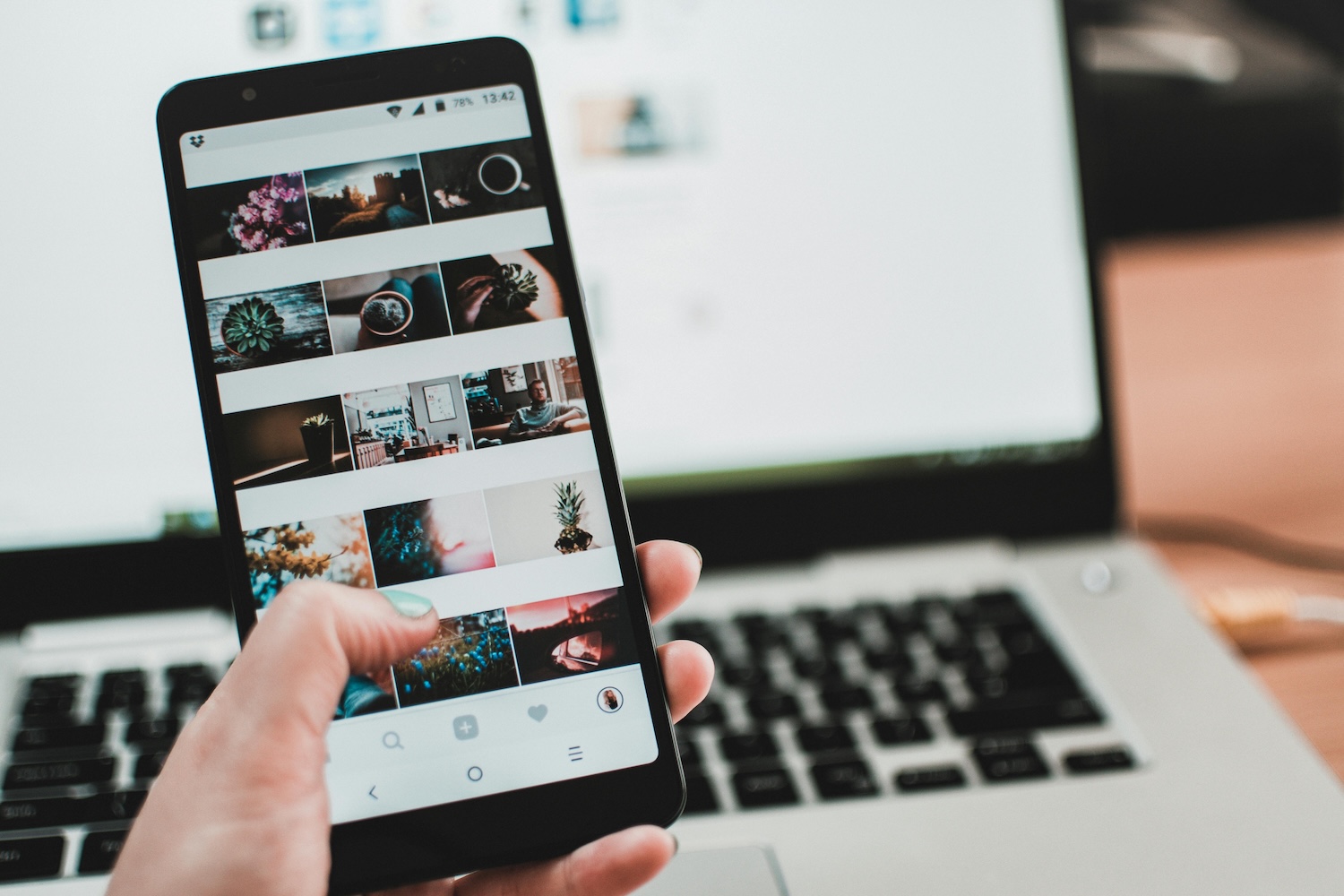
Your Beatnickel profile is more than just a picture and a few lines — it’s your digital business card in the music world. A polished and complete profile can unlock new collaborations, more gigs, and exciting musical opportunities.
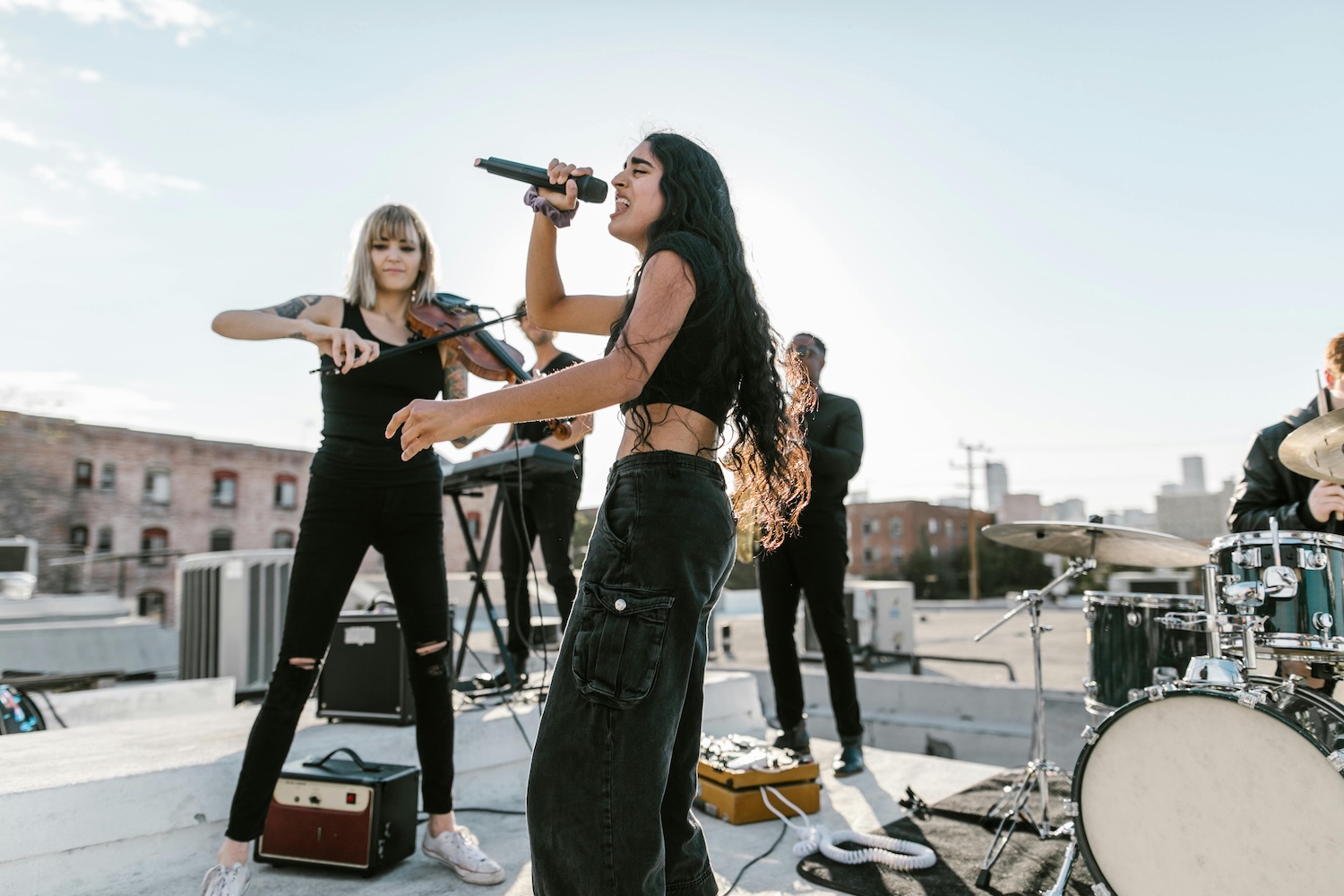
The music world is full of talent – but not always equal opportunities. Beatnickel is building a digital platform where every musician, regardless of gender, age, or instrument, gets equal access to networking, collaboration, and visibility.
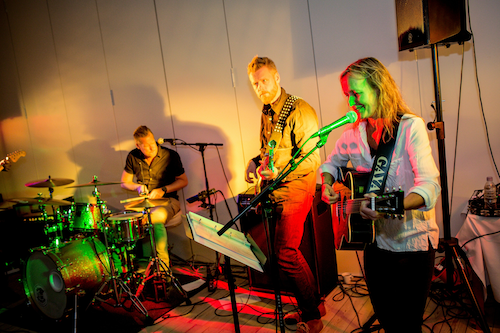
Time is a scarce resource for musicians. When the band finally gets together, it’s crucial to make the most of it. With Beatnickel, you can plan ahead, capture notes, and follow up – so every rehearsal makes you better, faster.
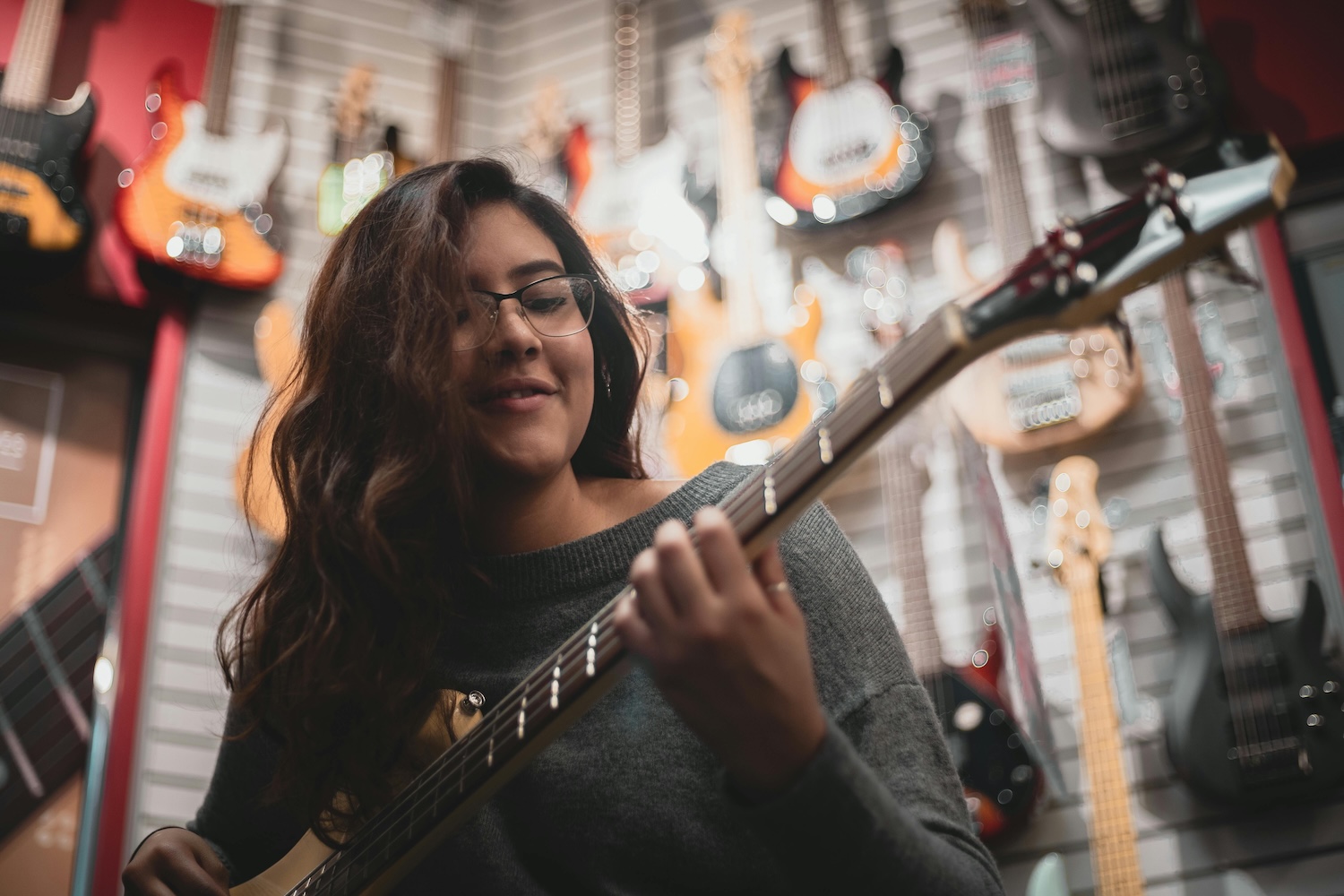
Musicians often live lives full of passion – but also unpredictability, stress, and endless coordination. This is exactly why digital tools like Beatnickel can help reduce stress, create structure, and free up more energy for what matters most: the music.
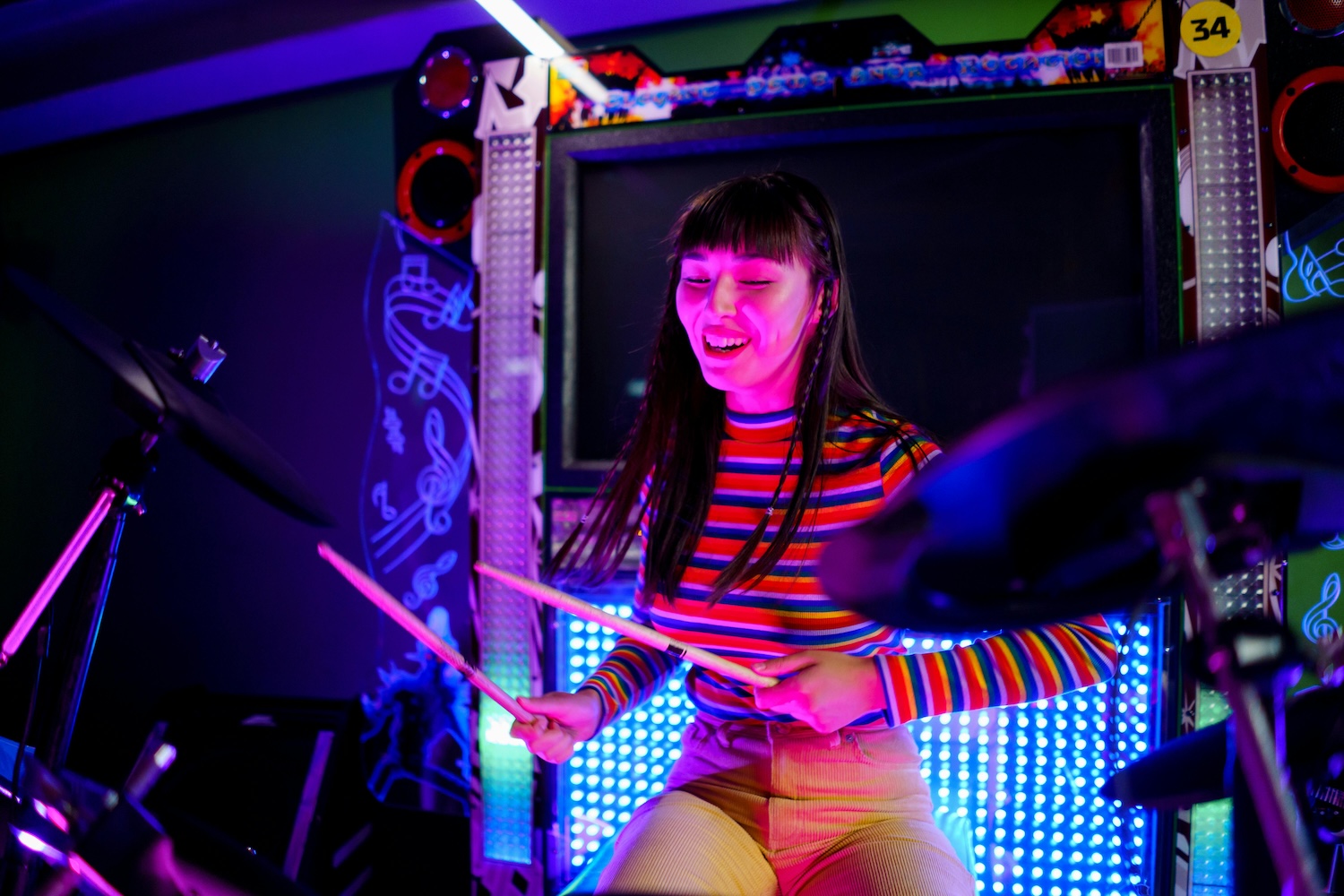
The music industry has long struggled with unequal representation across gender, roles, and genres. Beatnickel was created to break down barriers and give every musician equal access to networks, collaboration, and opportunities – no matter their gender, instrument, or level of experience.

Discover a platform built to connect musicians and bands, make it easier to find relevant local matches, and create new musical collaborations.


