


Blog
Latest News

Many adult musicians – whether beginners or long-time players – know the feeling: you have big dreams about improving, but everyday life tends to take over. Work, family, and other commitments can push music into the background. It can feel overwhelming to reach your goals, but the truth is: even small steps can take you far.

Many adult musicians know the feeling: sitting at home with your guitar, drums, or piano, playing for yourself. It’s cozy, but after a while, you start craving something more – to share your music with others, to feel the energy of playing together, and maybe even to step onto a stage.

For many adults, music isn’t just about notes, chords, and technique – it’s just as much about community. When people come together for rehearsals or join a music program, something special happens: new friendships, laughter over mistakes, and the joy of creating together.

When you build a startup, there are countless pieces of advice and just as many pitfalls. But one principle always holds true: You need to know your market, understand the problem – and have a real reason to build the solution. Many call it “scratch your own itch.”
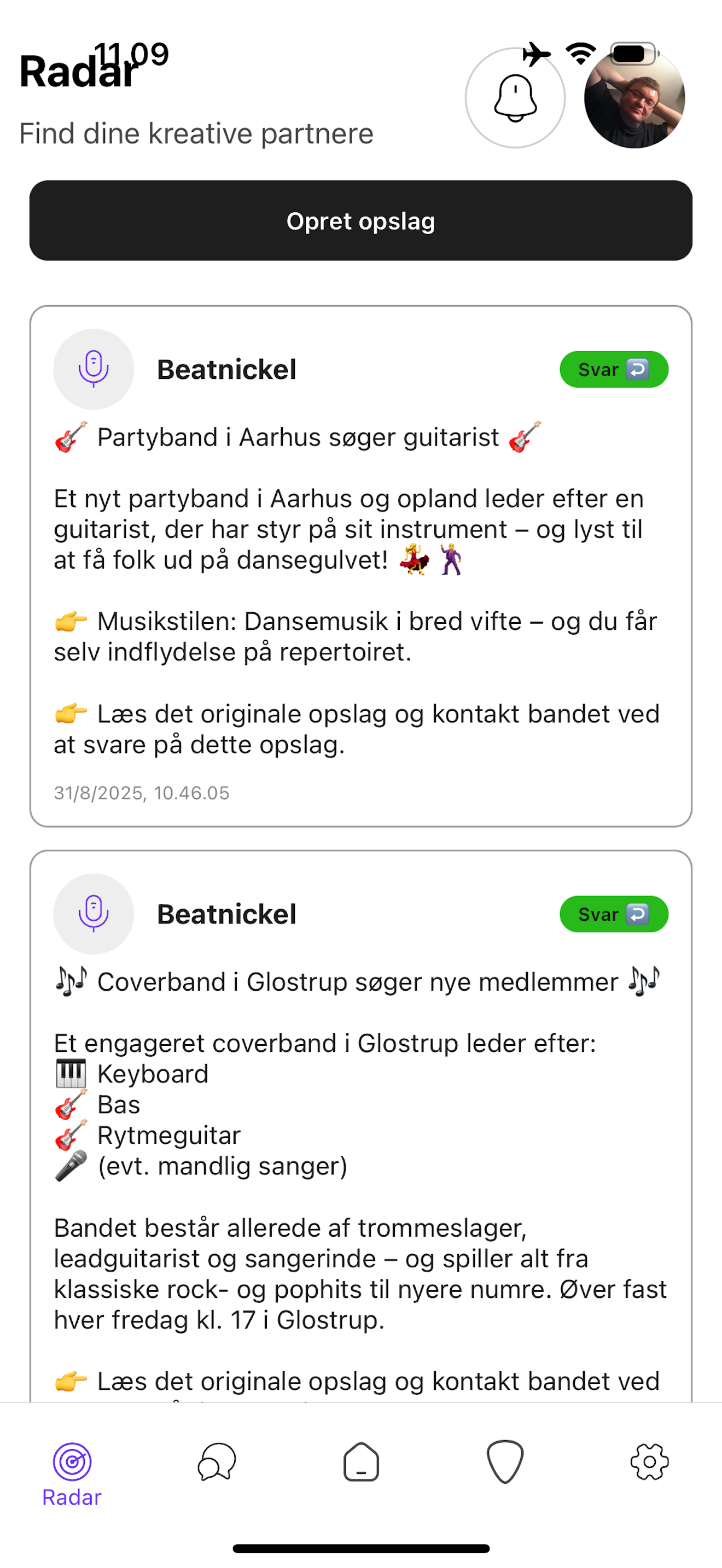
We are excited to announce a new update to Beatnickel, introducing two brand-new features designed to make life easier for both musicians and bands: Activity Radar and Musician Dashboard.
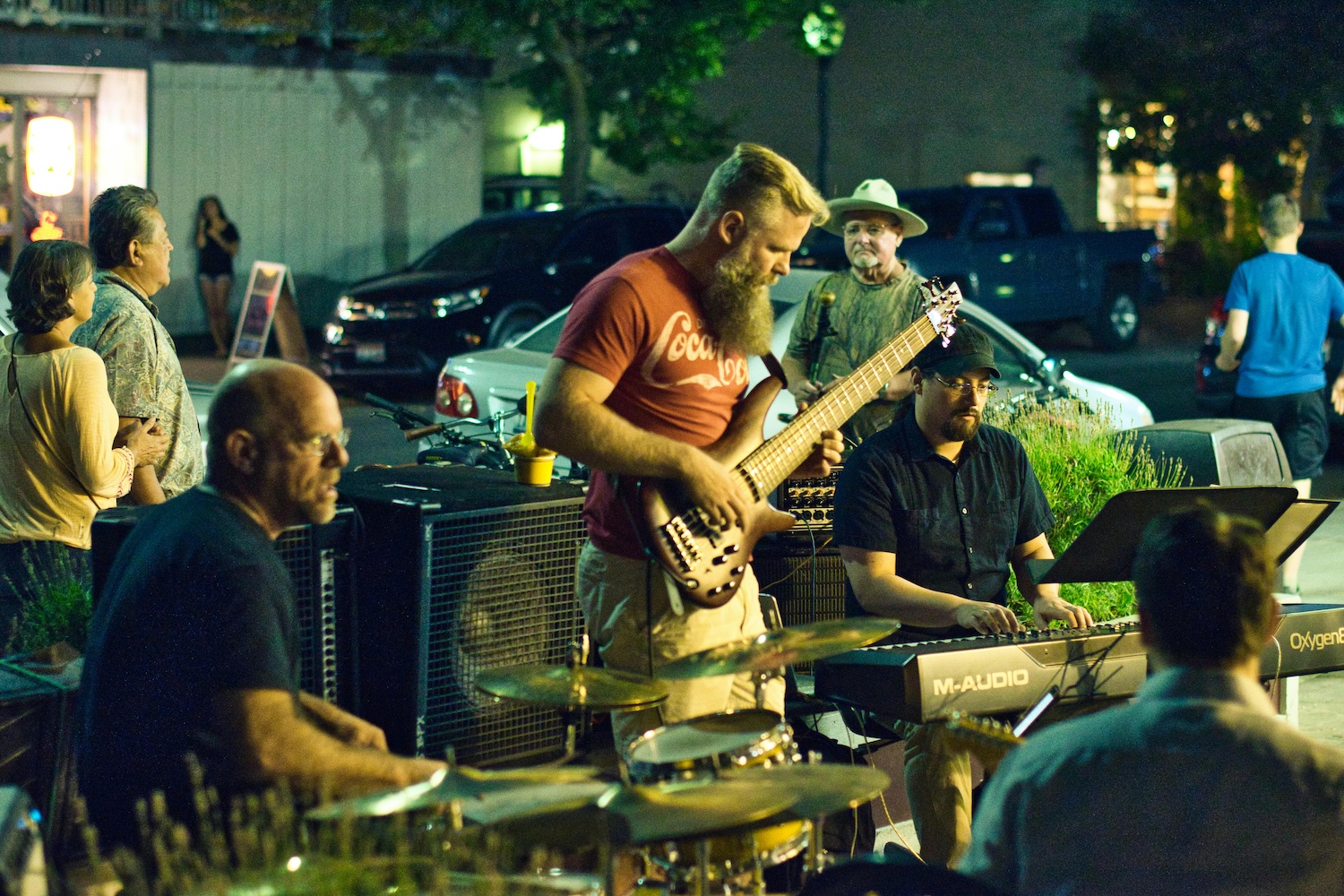
Many adults carry around the idea that music is only for those who can really play. That you need to master your instrument, know every chord, and practice for hours every day to have the “right” to join in. But the truth is this: music isn’t about perfection – it’s about joy, connection, and community.

Discover a platform built to connect musicians and bands, make it easier to find relevant local matches, and create new musical collaborations.


