


Blog
Latest News
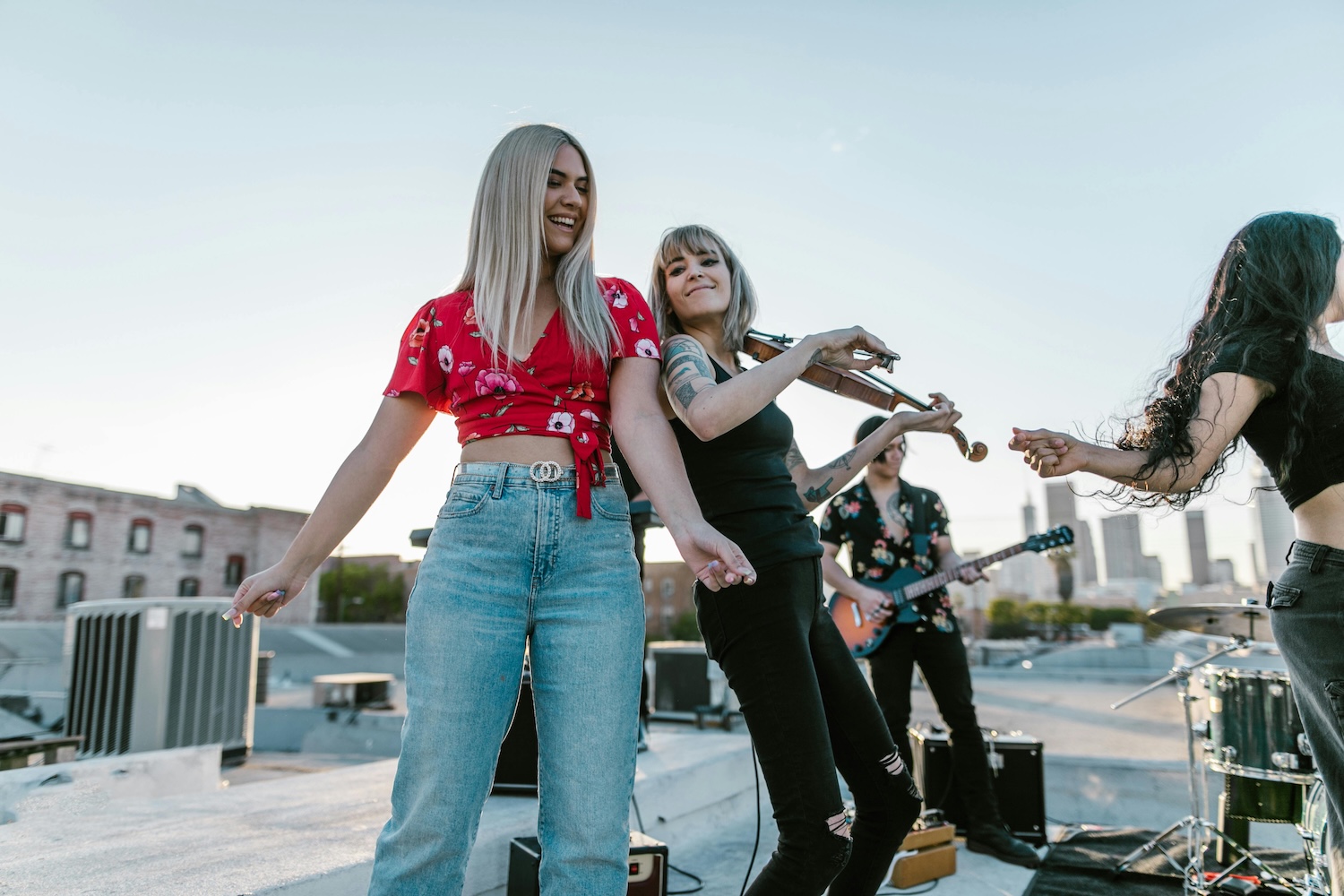
Gender imbalance in the music world is a persistent challenge. Many women and minorities face invisible barriers, biased norms and limited access to networks. This article focuses on real, actionable solutions that create change. Beatnickel is one of the tools that helps open doors

Many musicians drown in messages, scattered agreements and endless scheduling links. But structure does not kill creativity. It unlocks it. With the right systems in place, musicians gain the clarity and mental space they need to focus on what truly matters: the music

More and more adults are picking up their instruments again in their 30s, 40s, 50s and 60s. But the road back can feel vulnerable and overwhelming. Here we explore the common barriers and how to restart with confidence. With Beatnickel you can easily find others in the same situation and avoid starting alone

Your local music scene is a powerful training ground where you can grow your sound, build your network and attract your first fans. Local venues, cultural centers, jams and open mics offer real experience that no rehearsal room can match. With Beatnickel you can easily discover these opportunities, connect with venues and musicians nearby and plan your first strategic steps.

Playing live is one of the most powerful ways to grow as a band. But many forget that solid preparation is what separates an average gig from a performance that opens new doors. This checklist helps you make sure your band is truly ready to hit the stage.

More live gigs do not appear by chance. They come when strategy, visibility and consistency work together. Here are practical steps both solo artists and bands can use to secure more shows and grow their live presence.

Discover a platform built to connect musicians and bands, make it easier to find relevant local matches, and create new musical collaborations.


