
Soon available on


Alone on Stage, Alone After: The Musician’s Hidden Work Environment
Date:
13.1.2026
Author:
Oli Olsen
Alone on Stage, Alone After: The Musician’s Hidden Work Environment
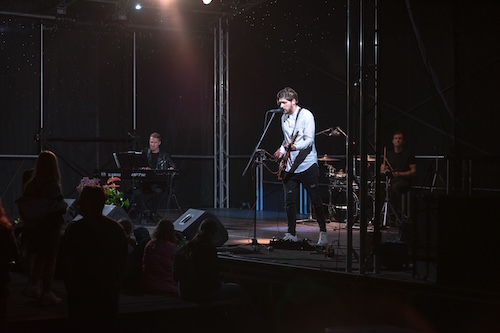
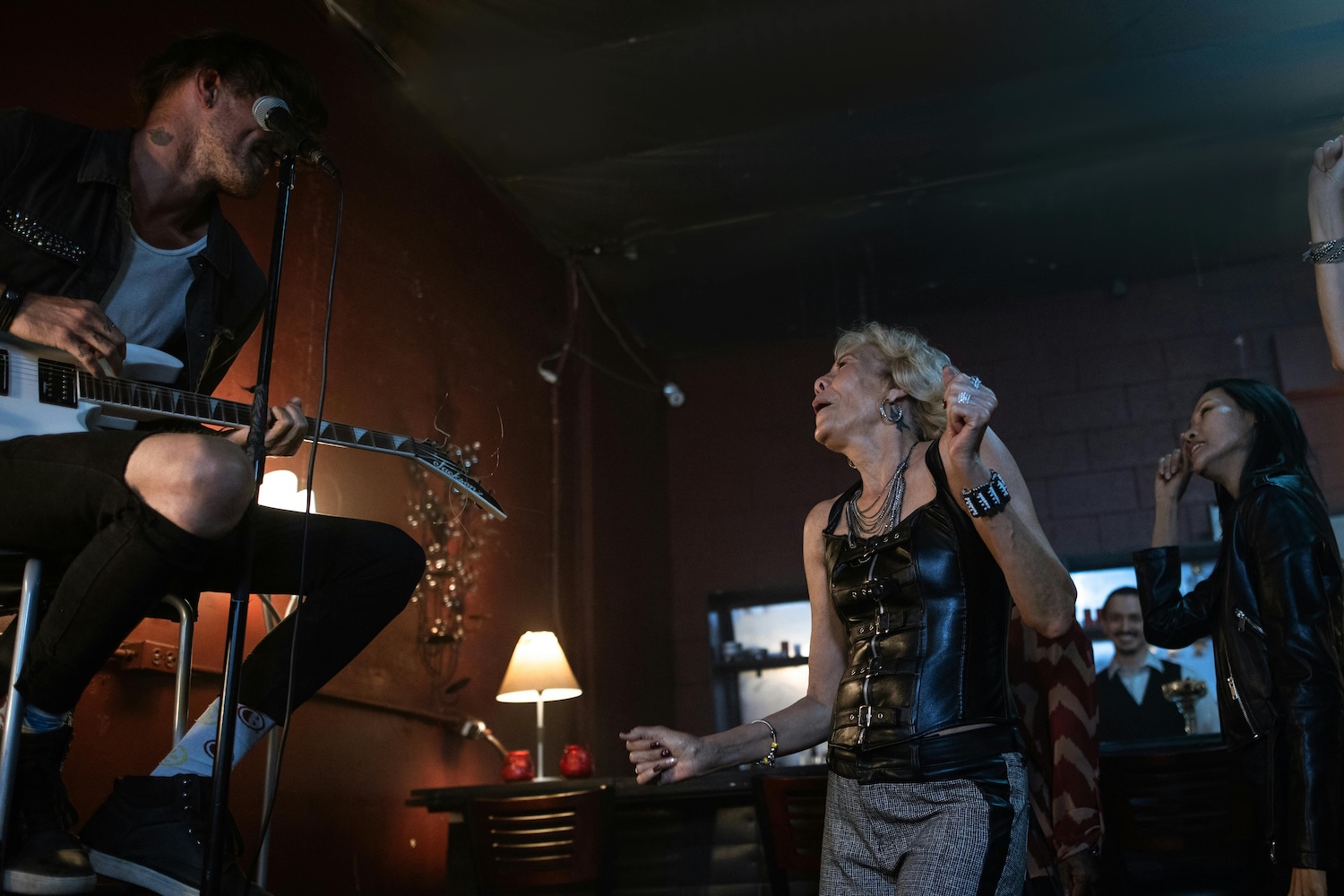
Behind applause, lights, and audiences lies a working life shaped by instability, loneliness, and constant uncertainty. For many musicians, it is not the stage itself but the time before and after that takes the greatest toll.
From the outside, a musician’s life often appears free, creative, and social. Concerts, tours, and collaborations create the image of a life filled with people and shared experiences. Yet beneath the surface lies a work environment that is rarely discussed.
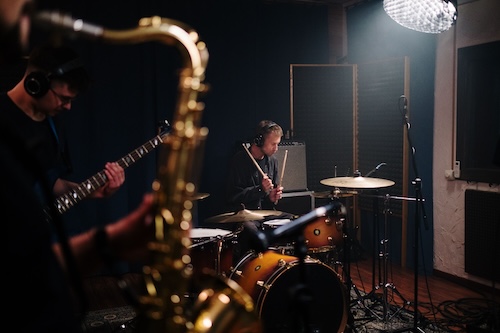
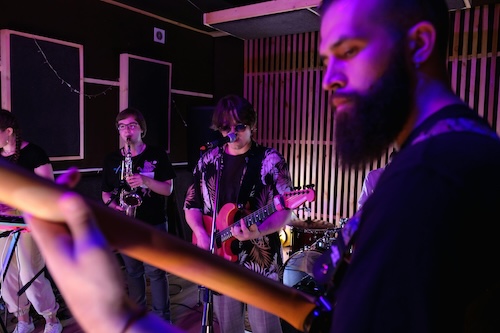
Many musicians work on a project basis. Bands, tours, and productions form and dissolve again. Relationships are intense but temporary. You work closely together for a short period of time, only to suddenly be on your own again. This creates a working life without stability and without permanent colleagues with whom long-term relationships can grow.
When the tour bus heads home and the stage lights fade, silence often hits hard. The transition from togetherness to solitude can be abrupt. For some, it feels like emptiness. For others, it becomes a form of social exhaustion that makes it difficult to reconnect with everyday life.
The Hidden Cost of Touring
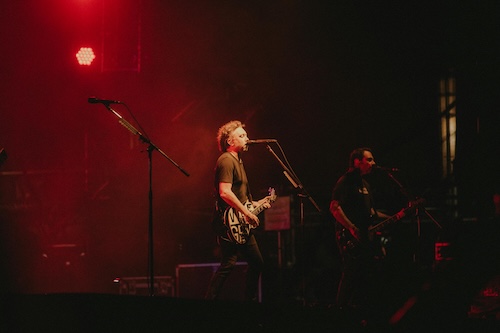
Touring is often romanticized. Travel, new cities, and the energy of live audiences. But touring also means long days of transport, unpredictable routines, and a lack of privacy. Sleep, nutrition, and personal relationships are frequently pushed aside.
At the same time, touring is often financially precarious. Many musicians work without any certainty about their next job. As a result, saying no is rare, even when the body or mind clearly needs a break. Over time, this can lead to both physical and mental wear.
Project Work Without a Safety Net
Unlike many other professions, musicians often lack formal structures around working conditions. There is rarely HR, regular peer support, or clear frameworks for well-being. Responsibility for boundaries, rest, and balance almost always falls on the individual.
Project-based work also fosters an every-person-for-themselves culture. Musicians compete for the same gigs, stages, and attention. This makes it difficult to build trust and community, because colleagues are also competitors at the same time.
Over time, this structure can erode mental resilience. When you constantly have to perform, adapt, and stay available, there is little room for vulnerability or honest conversations.
When Community Disappears
Community is a crucial protective factor against stress and loneliness. Yet in a working life defined by constant movement and temporary collaborations, community can be hard to maintain.
Many musicians experience relationships becoming transactional. You meet to work, not necessarily to support each other. That makes it harder to reach out when things become difficult. Loneliness remains invisible, because everyone appears busy and successful from the outside.
The musician’s work environment includes challenges that are rarely taken seriously. Touring, project-based work, and a competitive culture can create loneliness and slow erosion, even among experienced and talented musicians. If the music industry is to be sustainable in the long term, it requires greater attention to community, well-being, and structures that allow musicians to be human, not just performers.
Other blogs































































Discover a platform built to connect musicians, simplify bookings, and fuel creative growth.
Find us on social networks


