
Soon available on


The Local Music Scene Is Becoming Invisible – And That’s a Problem
Date:
29.1.2026
Author:
Oli Olsen
The Local Music Scene Is Becoming Invisible – And That’s a Problem
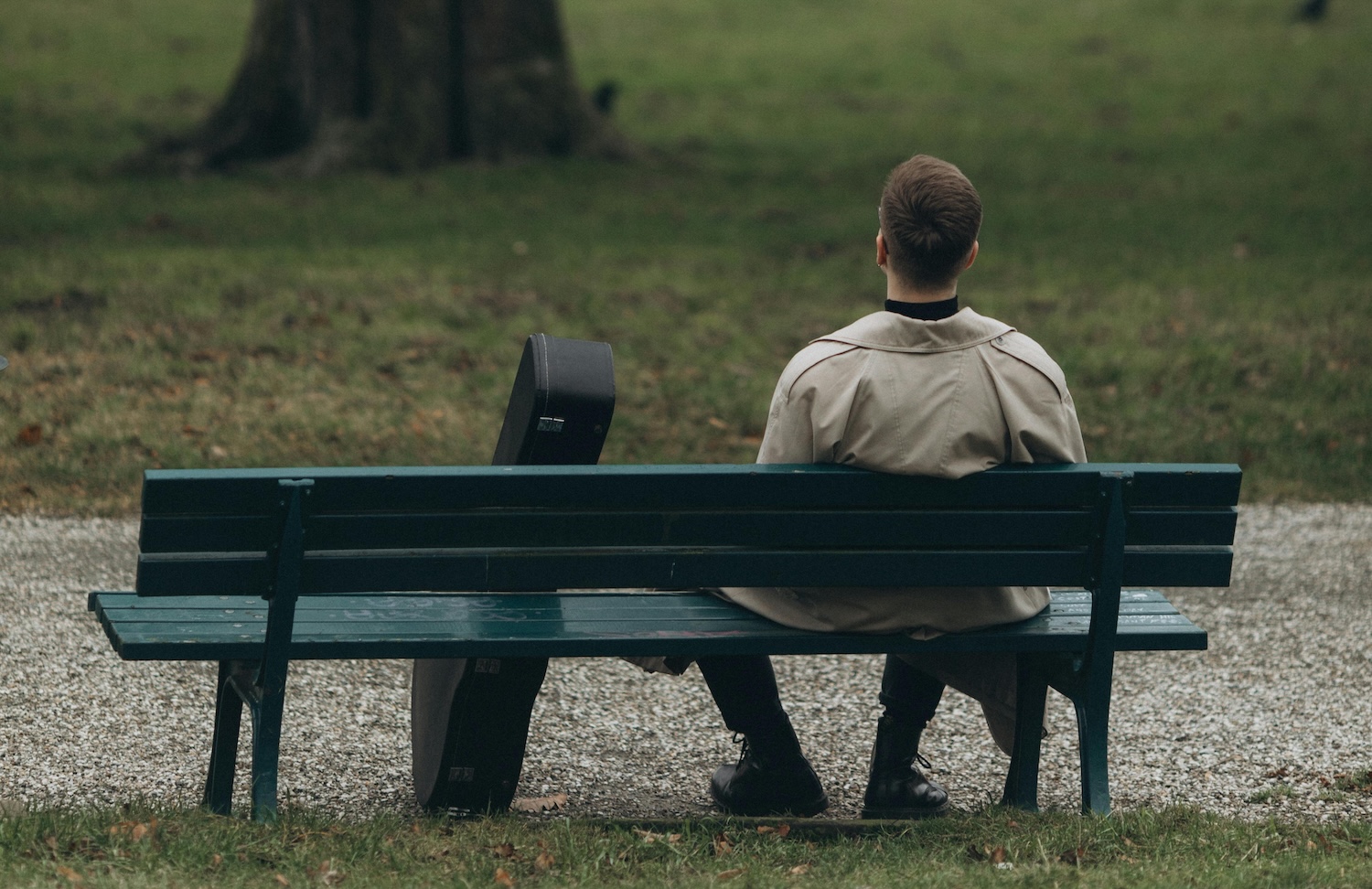
It has never been easier to access music online. Yet at the same time, local music scenes have become harder to find. Musicians, bands, and venues still exist, but they are increasingly invisible in a digital landscape that favors the global over the local.
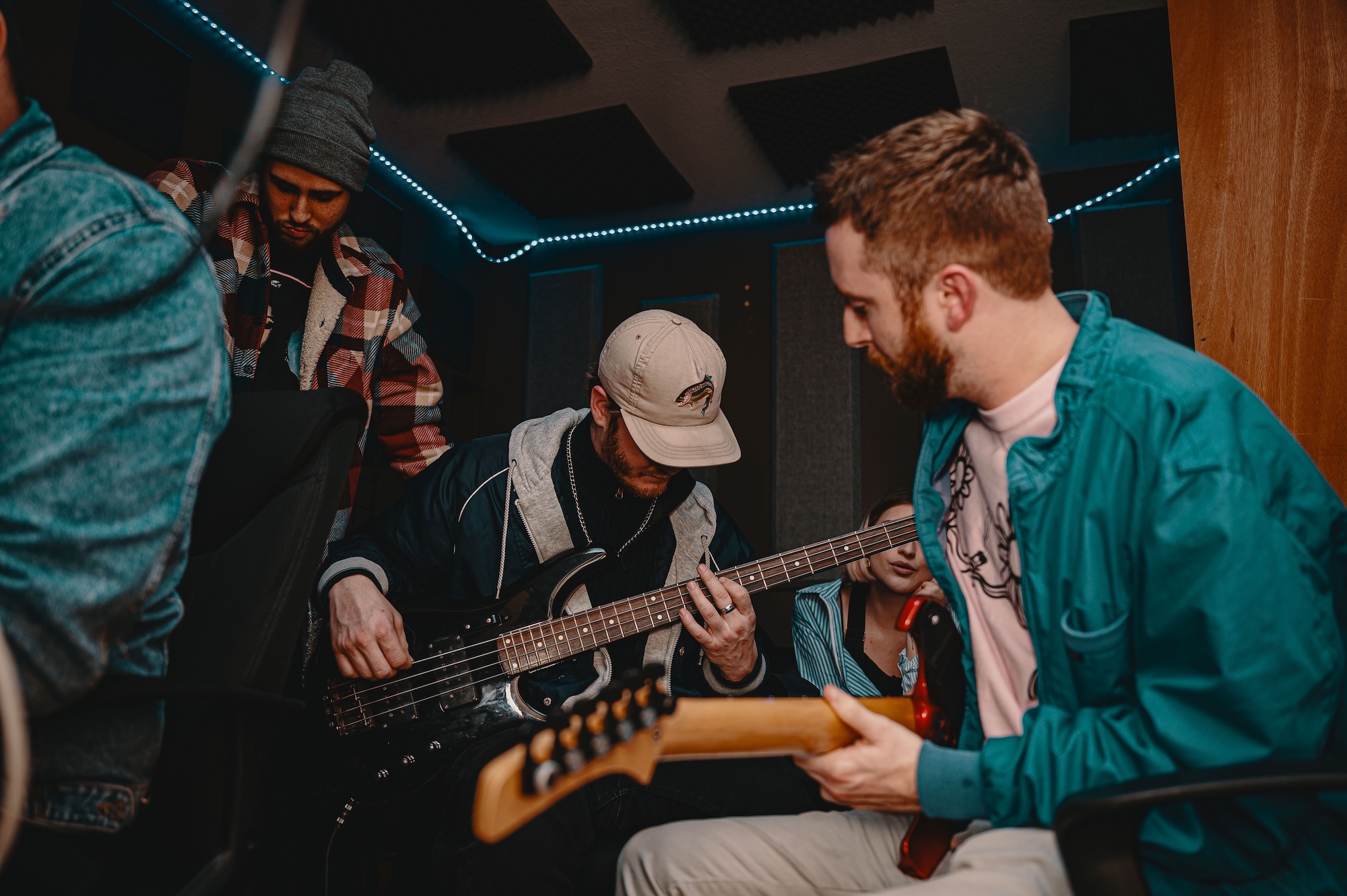
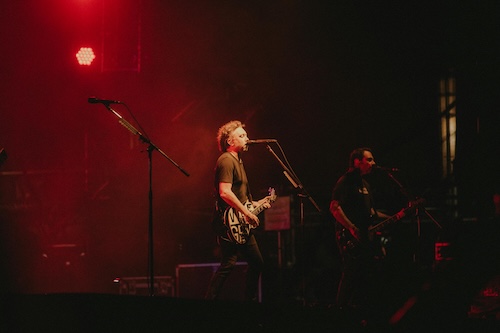
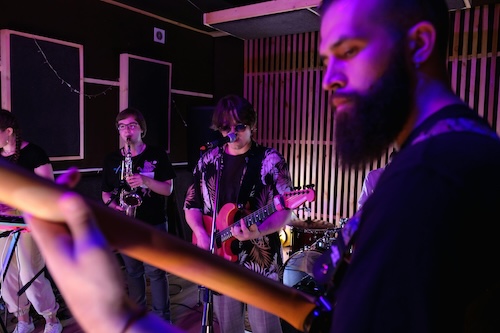
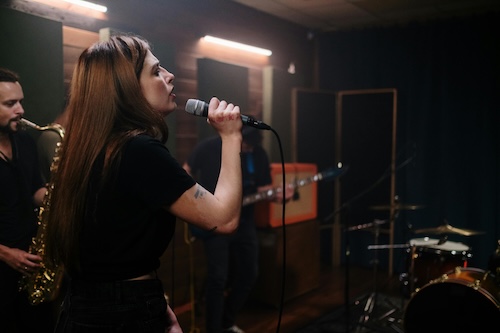
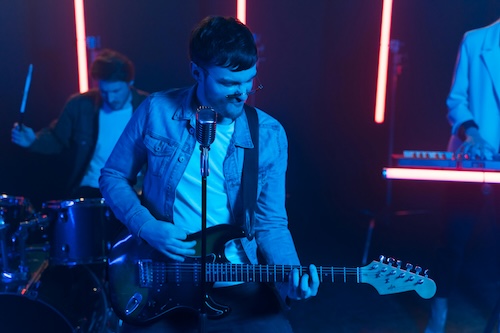
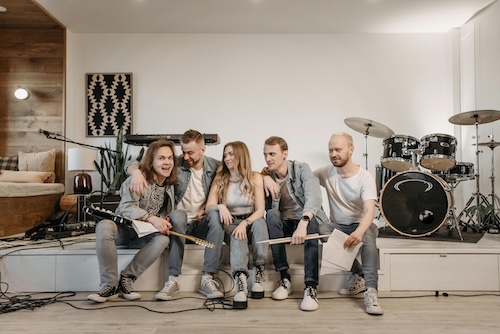
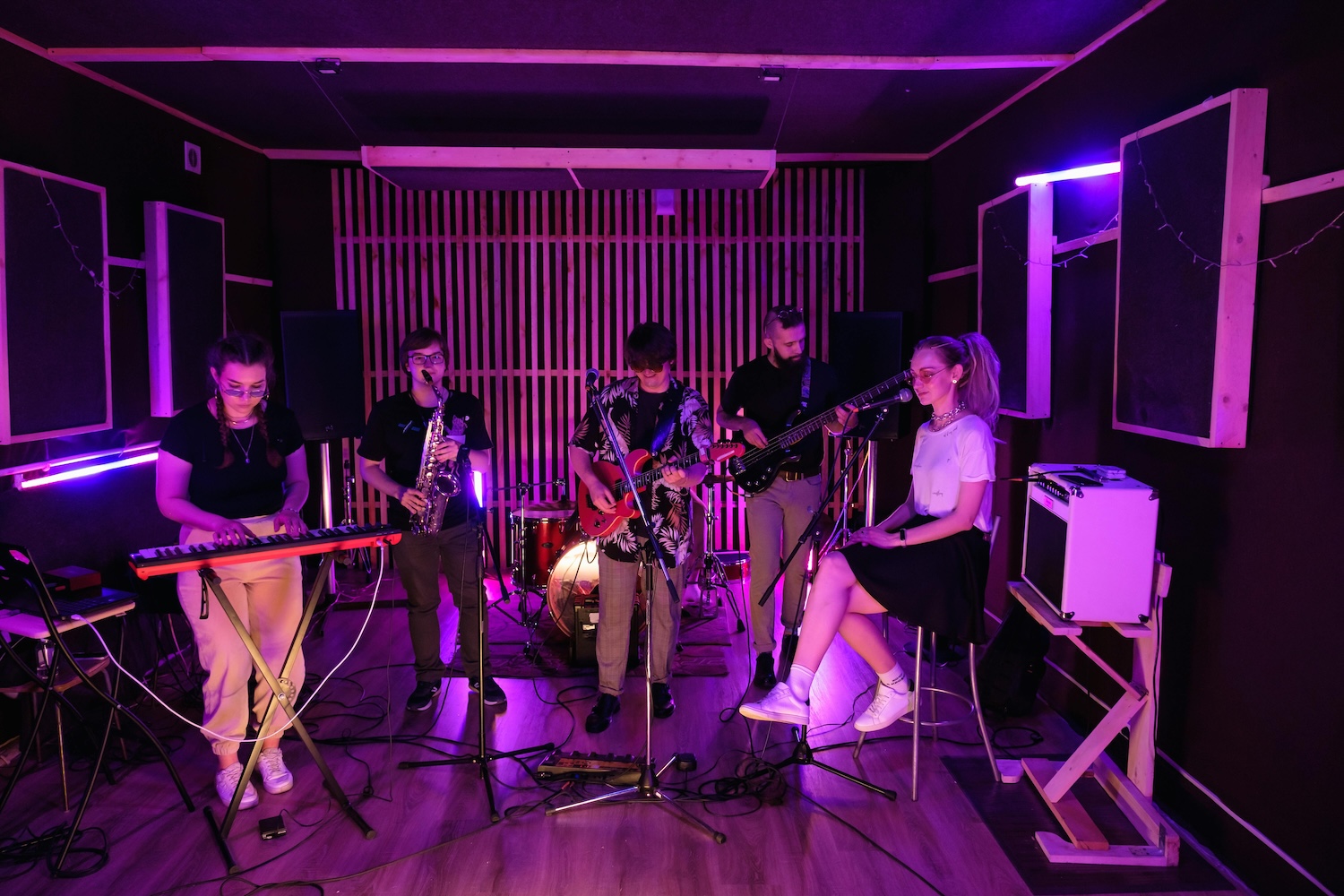
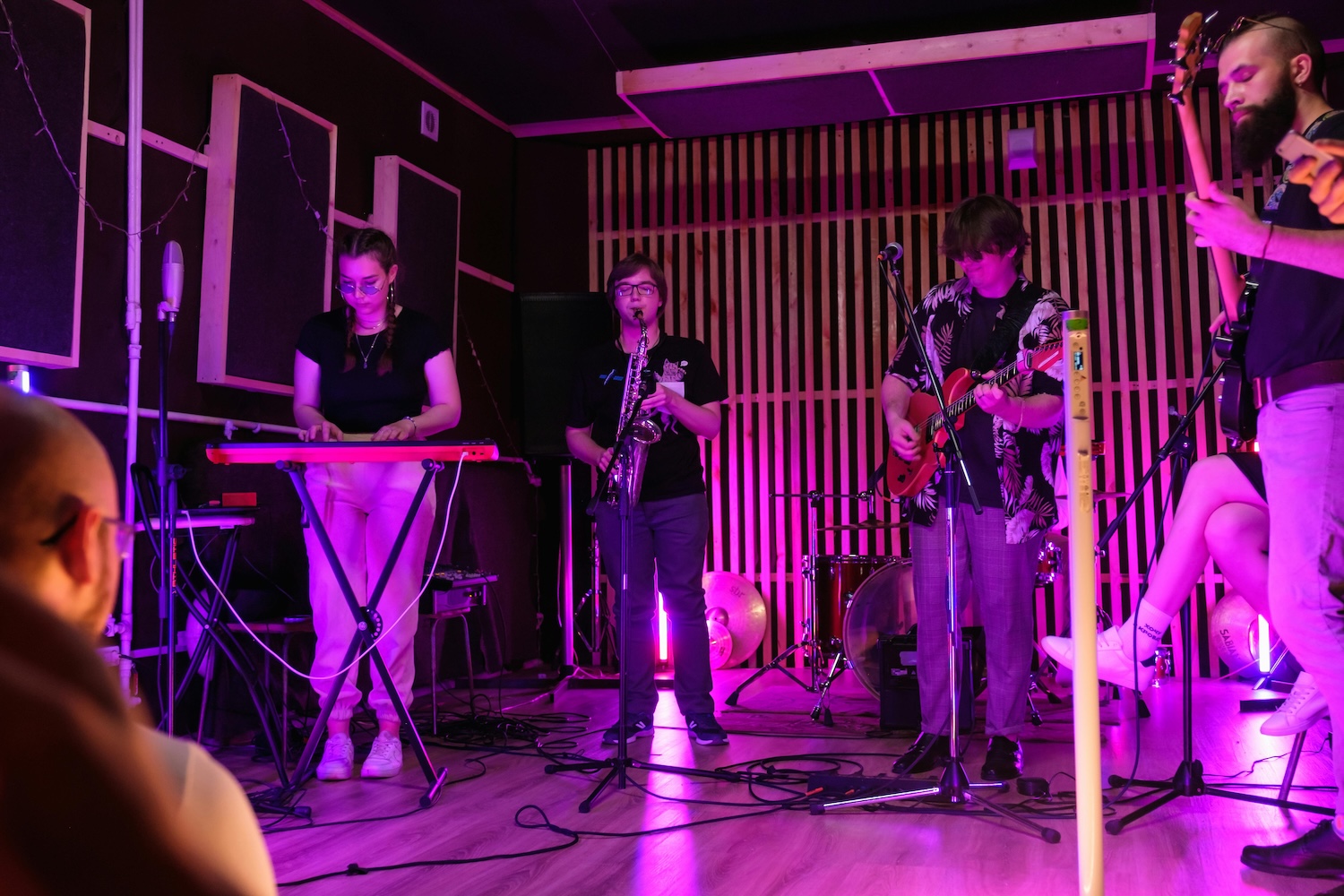
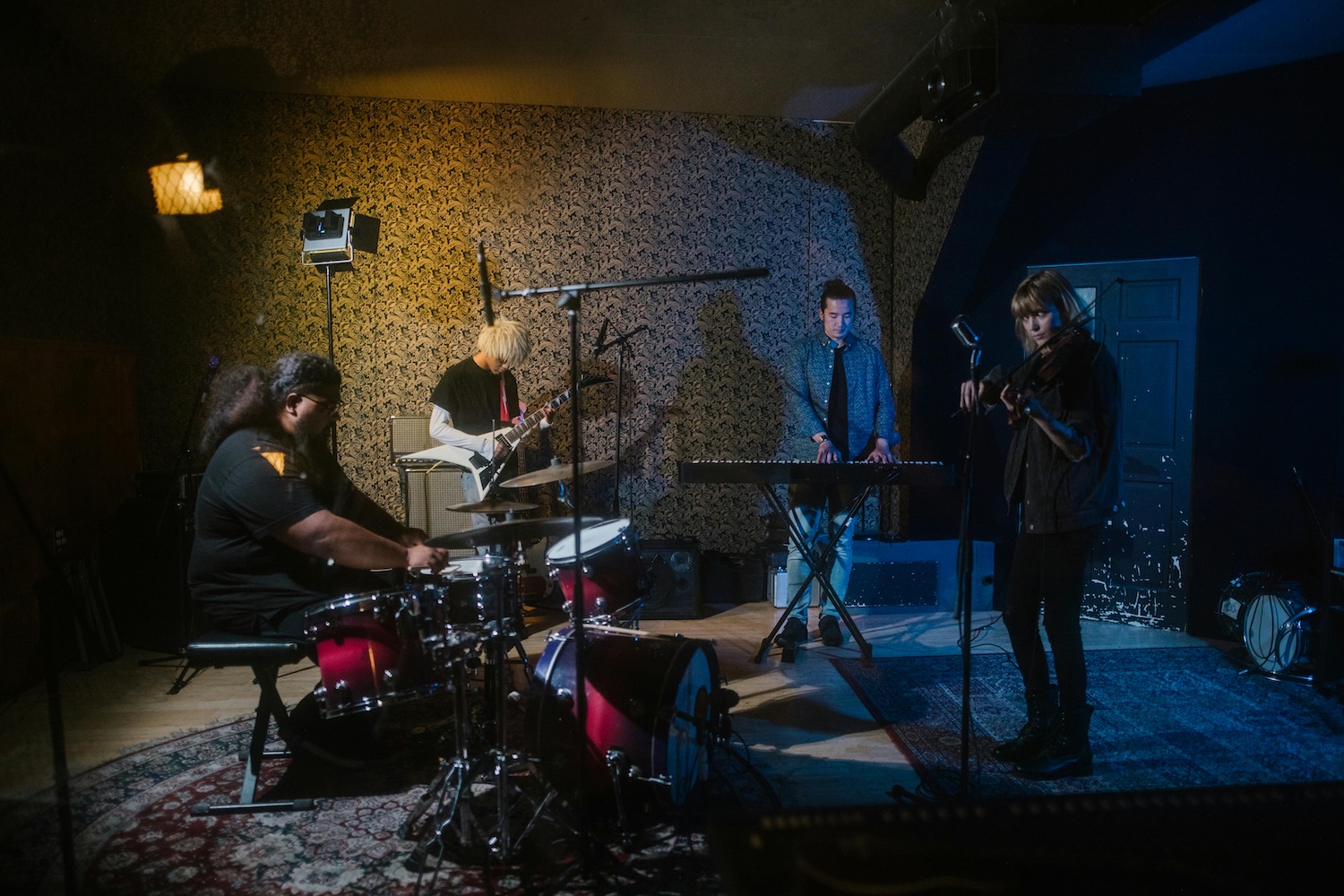
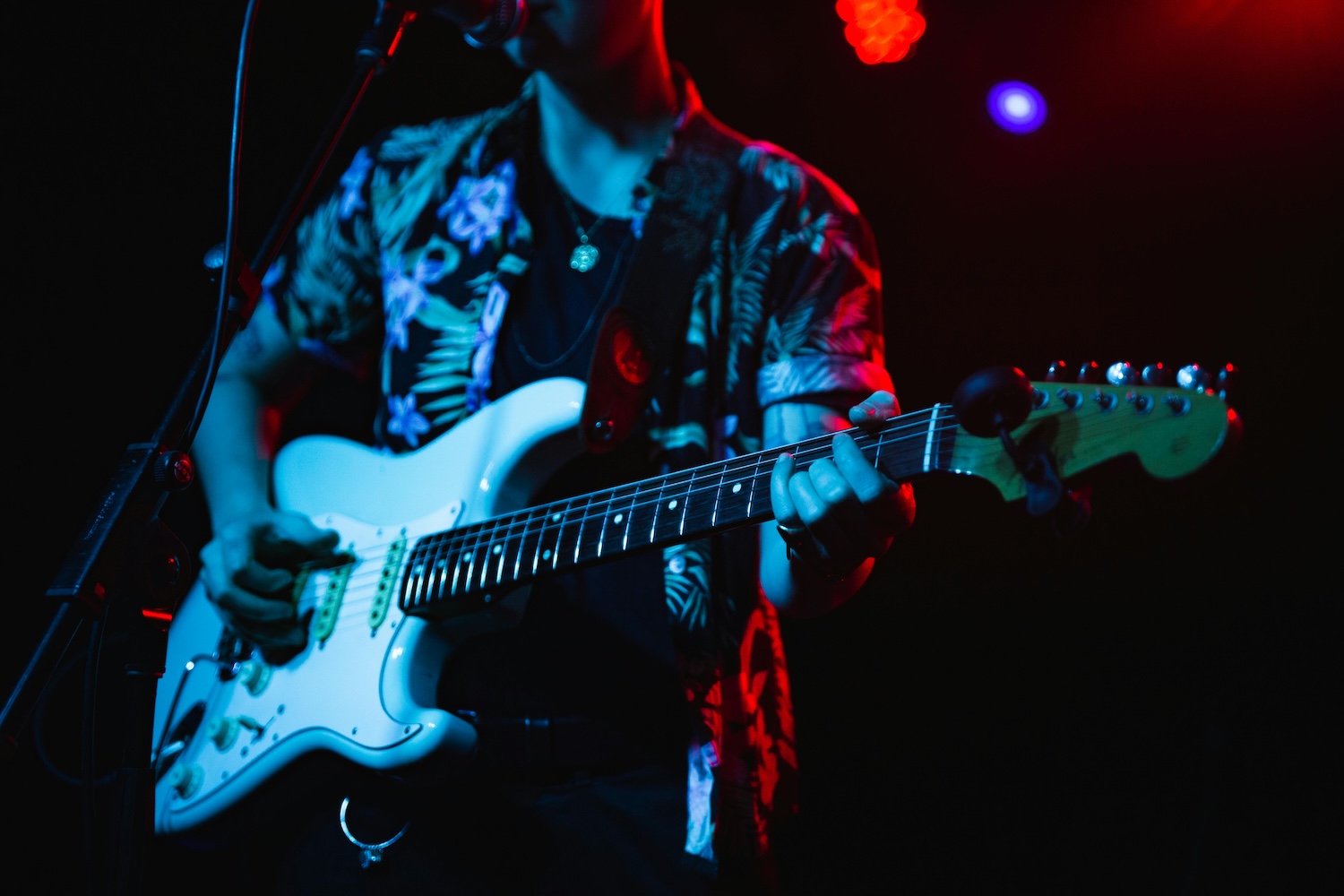
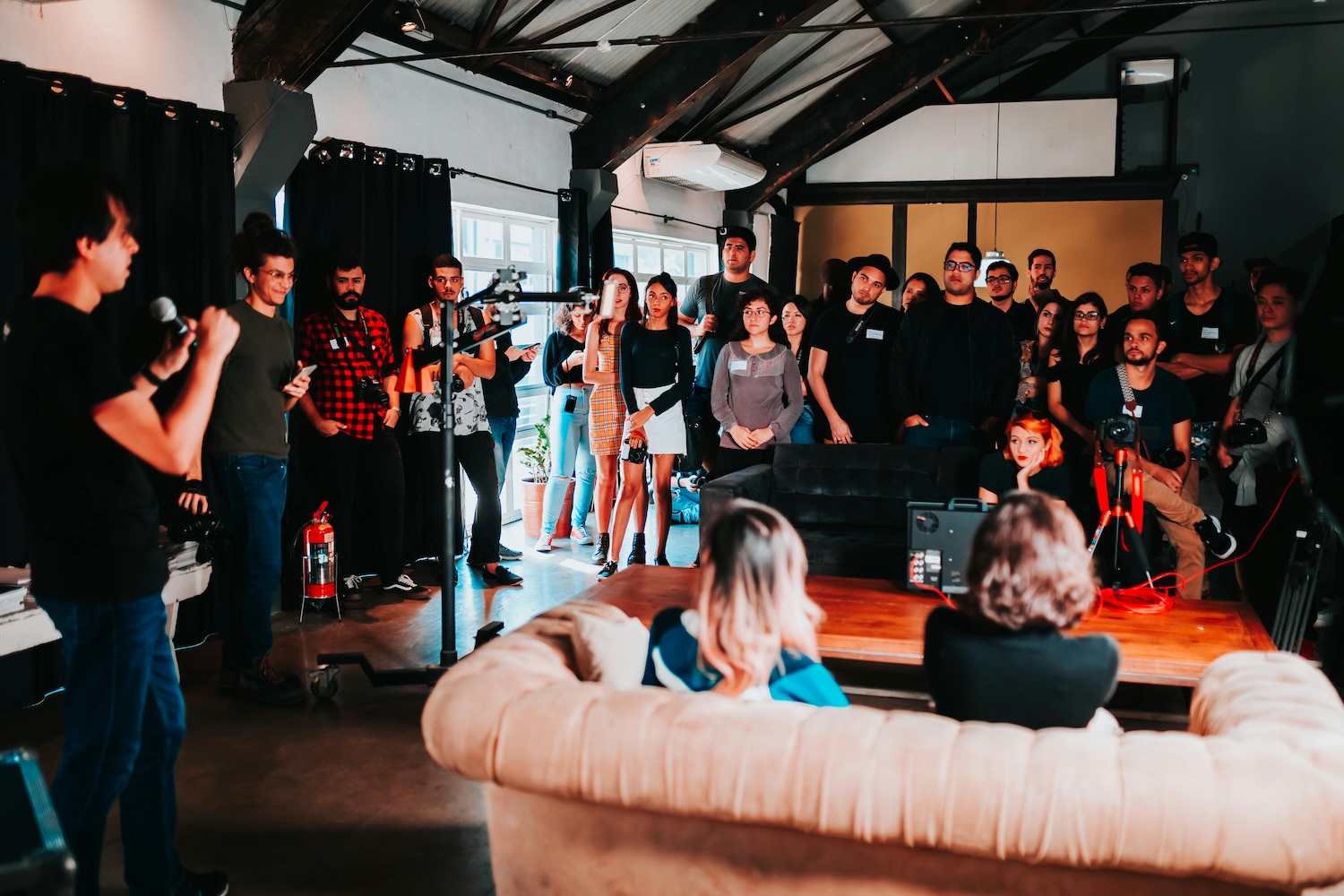
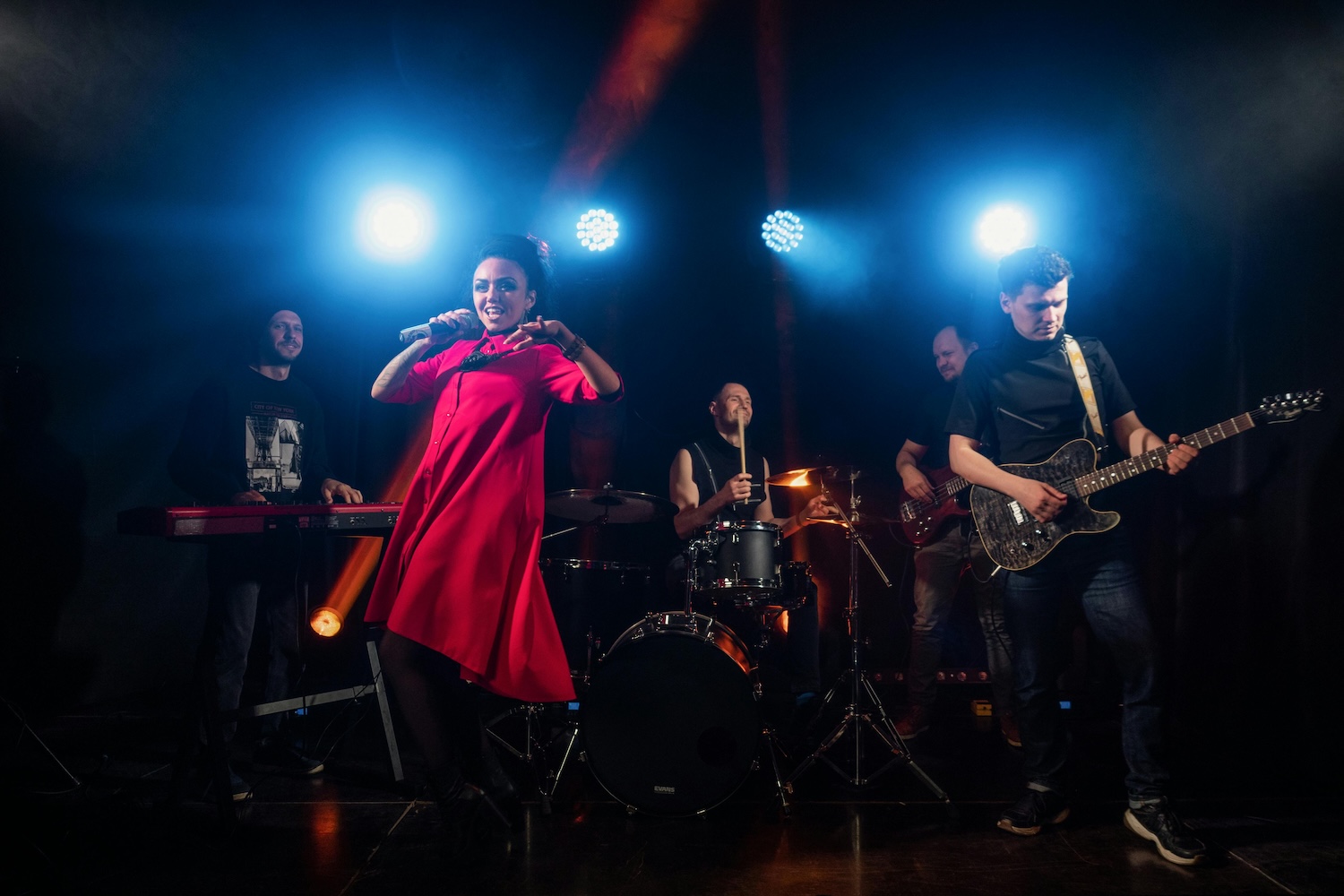
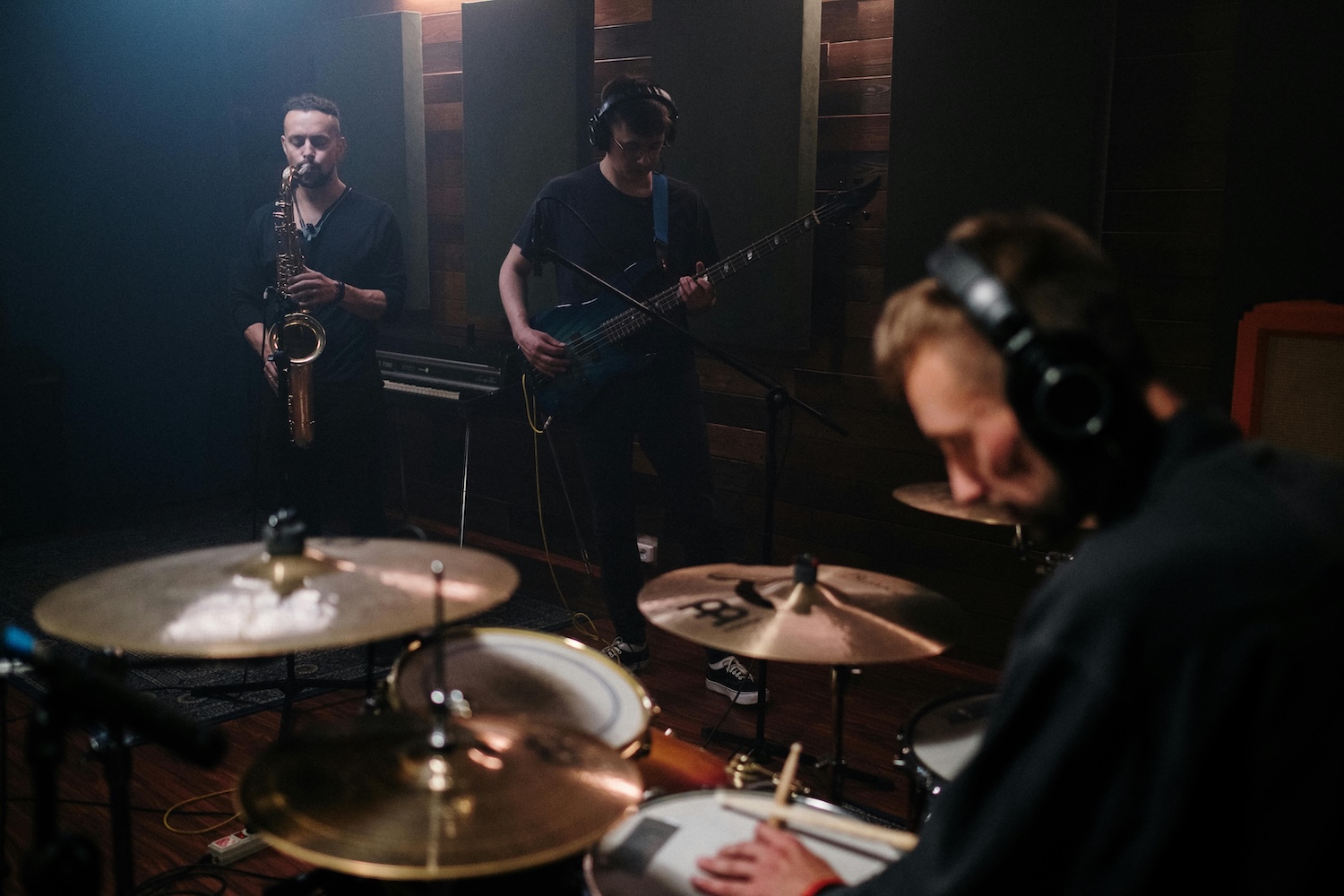
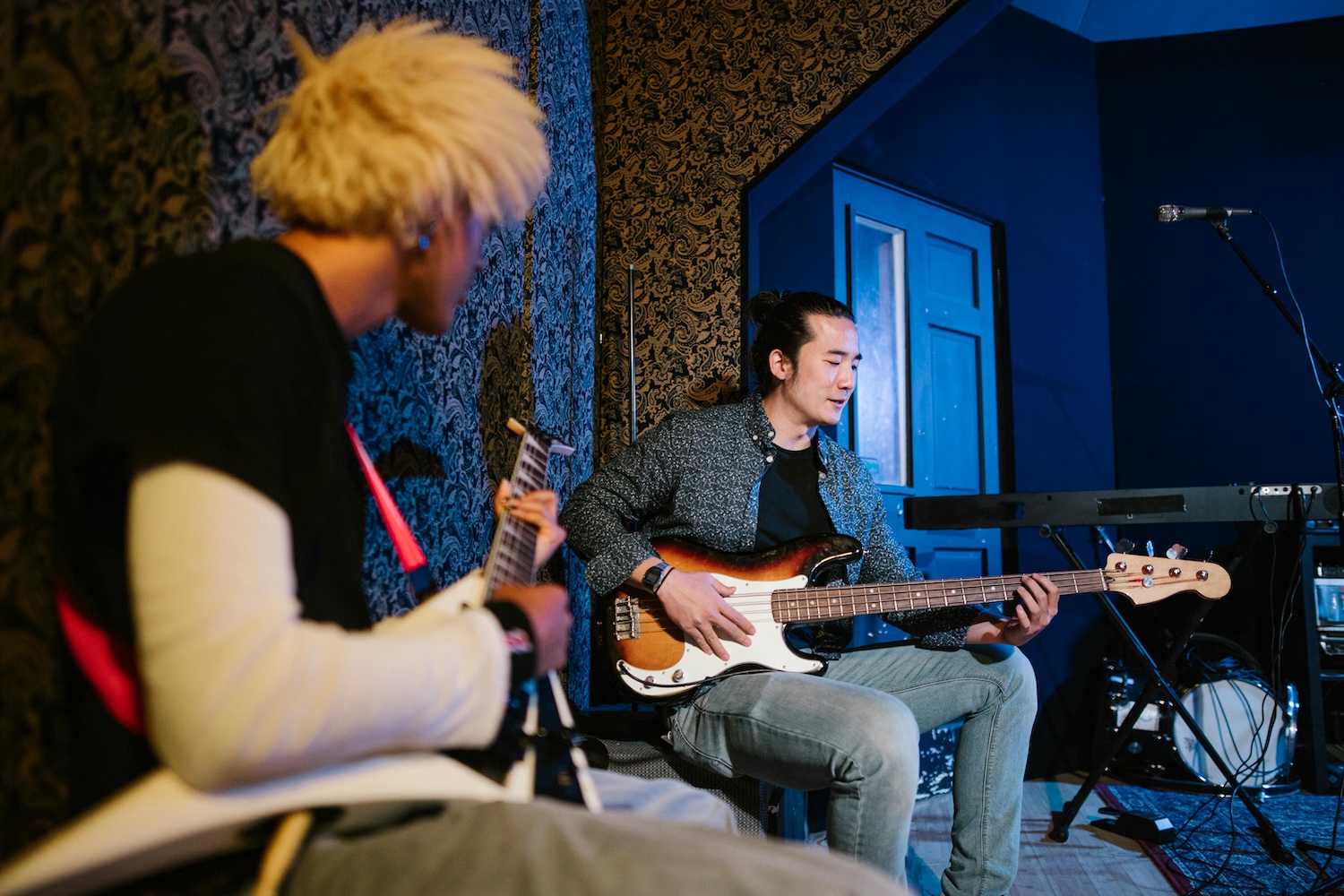
Local music scenes have always been the foundation of a living music culture. This is where musicians meet, bands are formed, and new ideas take shape. It is where rehearsal rooms, venues, and dedicated people create the conditions for music to grow. Yet today, many people experience that local music life is difficult to discover, even when they live right in the middle of it.
The globalization of music and culture has reshaped our attention. Streaming services, social media, and international platforms constantly point us toward the same content. The same artists. The same scenes. What is already big becomes bigger. What is local disappears into the background.
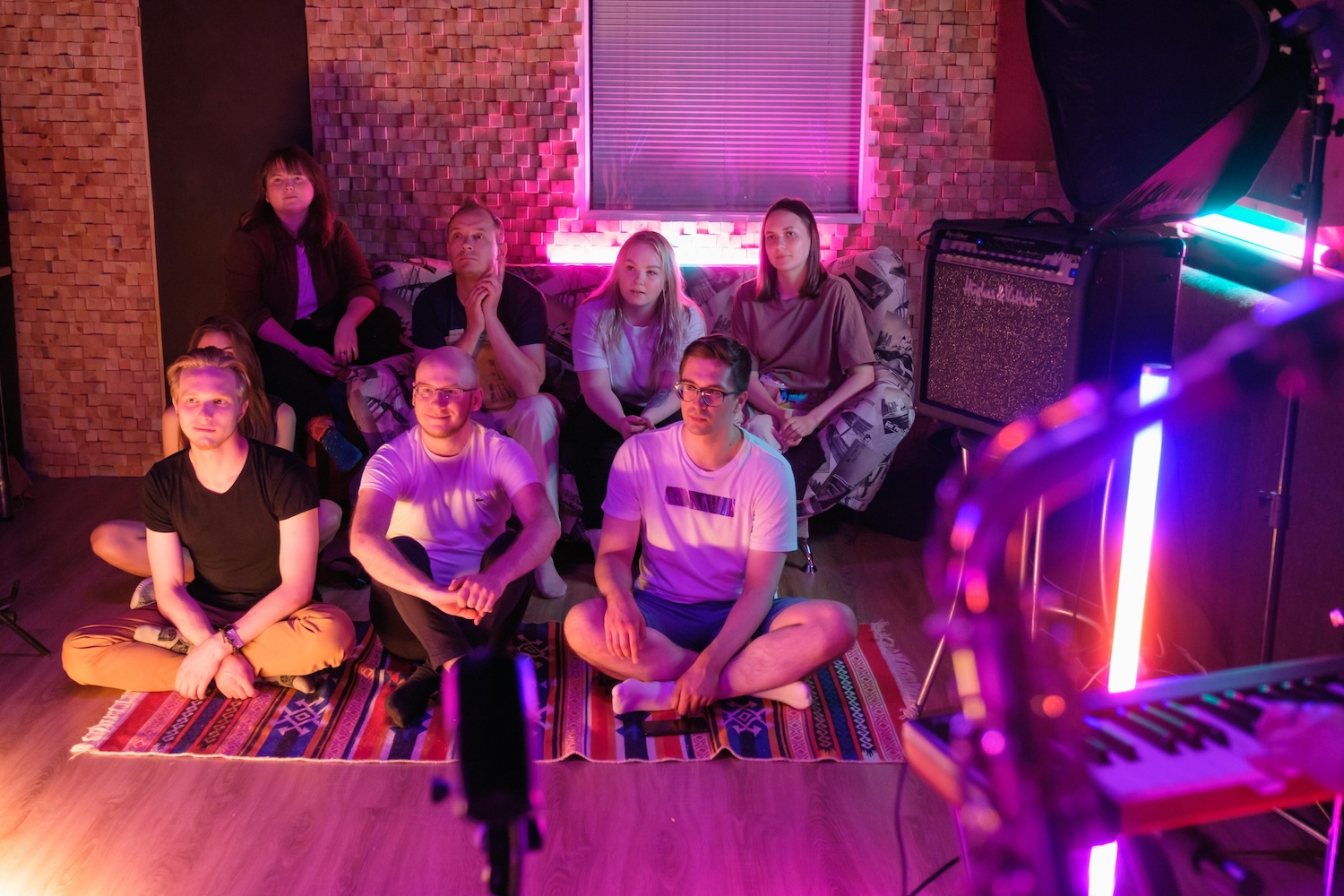
For musicians, this means fewer natural entry points into local communities. For audiences, it means local concerts, bands, and projects often go unnoticed. And for music culture as a whole, it means something essential is slowly being lost.
Mellemrubrik: When the Local Becomes Invisible
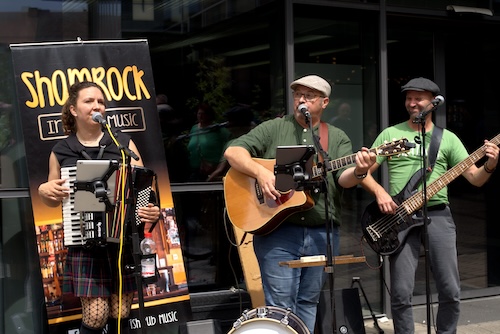
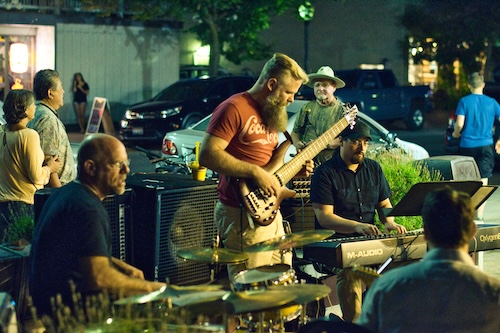
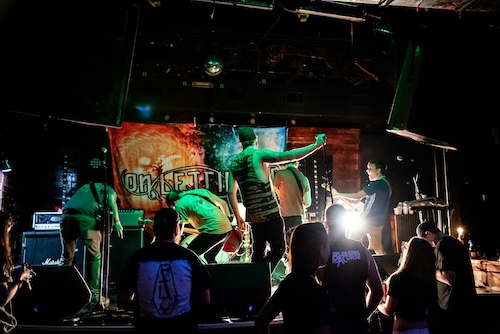
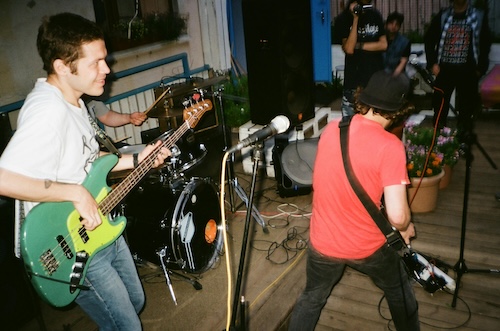
In the past, local music scenes were visible in everyday life. On notice boards, in rehearsal spaces, and on small stages. You knew who was playing in town and where to meet other musicians. Today, much of that visibility has moved online, but without giving the local scene a clear place.
Most digital platforms are not built around geography or local communities. They are built around reach, not proximity. As a result, local bands compete for attention on the same terms as international artists, a competition they rarely win.
A Music Scene Without Shared Spaces
When local music life becomes invisible, shared spaces disappear as well. Musicians find each other later, or not at all. Bands become short lived. Venues struggle to reach their own local audience. Listeners lose their connection to the scene they are actually part of.
This weakens both community and sustainability. Without local networks, music becomes more fragmented and more isolated, even when it is constantly shared online.
Beatnickel and a Local First Approach
Beatnickel is built on a different logic. Instead of starting global, it starts local. Musicians, bands, and industry actors are connected based on where they are and who they are, not on algorithmic popularity.
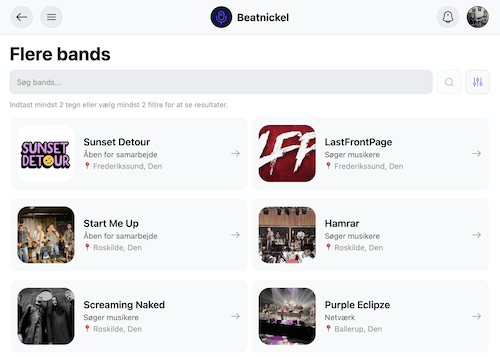
By organizing music life geographically and relationally, Beatnickel makes the local scene visible again. It becomes easier to find nearby bands, discover rehearsal spaces, see who is active in your area, and build relationships that go beyond individual profiles.
This is not about competing with global platforms. It is about complementing them with what they lack. A digital space where local music life is not a niche, but the starting point.
The local music scene has not disappeared, but it has become invisible. This is a problem for musicians, for audiences, and for culture as a whole. If we want a vibrant and diverse music ecosystem, we must make the local visible again.
Beatnickel is an attempt to do exactly that. To give music a place where proximity matters. Where relationships grow locally. And where music life can once again be seen, felt, and shared where it actually lives.
Other blogs



































Discover a platform built to connect musicians, simplify bookings, and fuel creative growth.
Find us on social networks


