
Soon available on


Streaming Is Not a Business – Why Musicians Still Make a Living From Everything Else
Date:
7.1.2026
Author:
Oli Olsen
Streaming Is Not a Business – Why Musicians Still Make a Living From Everything Else
Streaming has given musicians global visibility, but very few can pay their bills with plays alone. The gap between being heard and being paid has grown wider, which is why most musicians build their income on everything other than streaming.
For many musicians, the dream begins with streaming. Music becomes available everywhere, the numbers start to move, and listeners can appear from all over the world. But when rent is due, reality quickly sets in. Streaming has become a showcase, not a business.
The problem is not that streaming creates no value. The problem is that the value rarely reaches the individual musician. Payouts per stream are low, competition is extreme, and algorithms reward volume rather than depth. The result is that even thousands of monthly listeners often translate into income barely worth mentioning.
Global visibility without local income
Streaming creates a paradox. Musicians may have listeners in Berlin, London, or Tokyo, yet still struggle to draw an audience in their own city. Visibility is global, but income remains local. Concerts, teaching, and collaborations depend on physical proximity and real relationships, not just digital reach.
For many artists, music is heard far away while income must be earned close to home. This creates a growing gap between digital audiences and opportunities that can realistically be converted into money.
Why streaming rarely pays the bills
There are three main reasons. First, payouts per stream are extremely low. Second, the market is saturated, making attention a scarce resource. Third, streaming demands constant activity to remain visible, pushing musicians to release more and faster, often without financial security.
Streaming rewards continuity and volume, while musicians often work in long creative cycles. An album may take years to create but is financially judged in weeks by algorithmic logic.
Where musicians actually earn their money
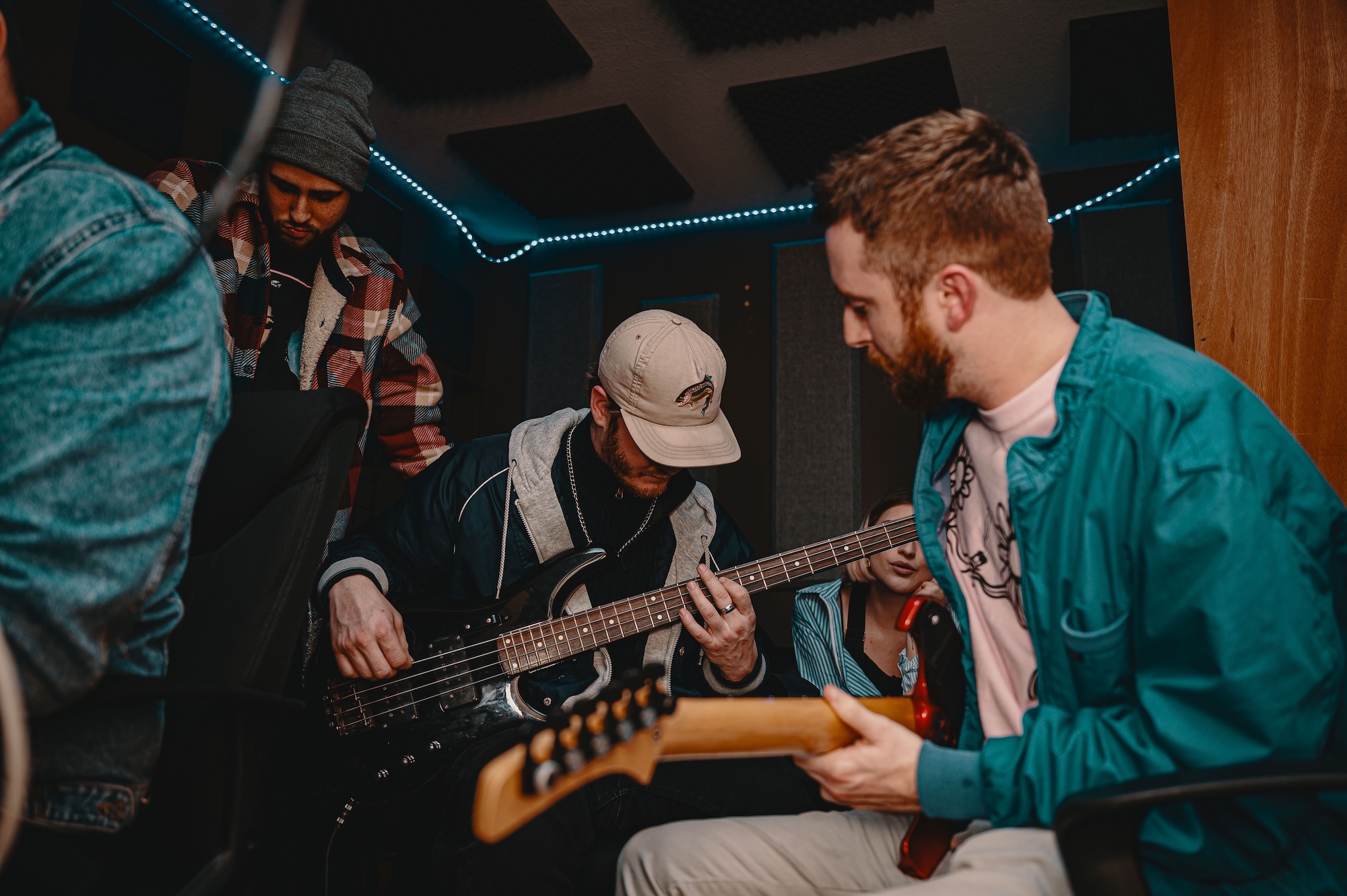
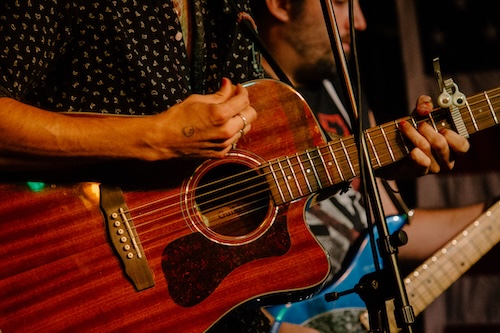
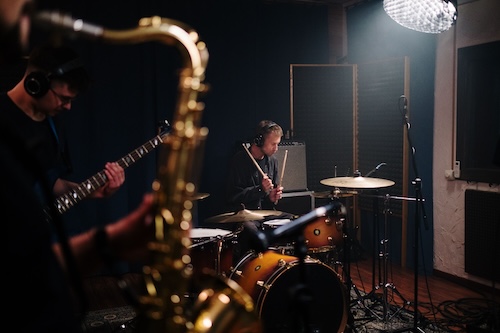
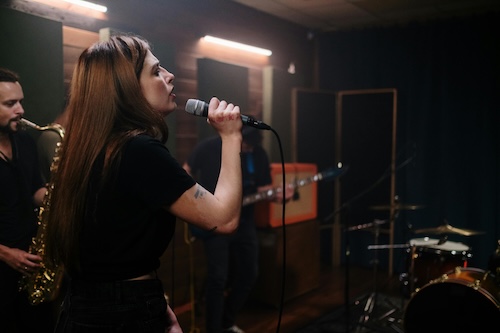
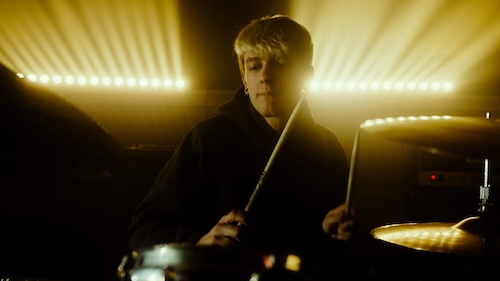
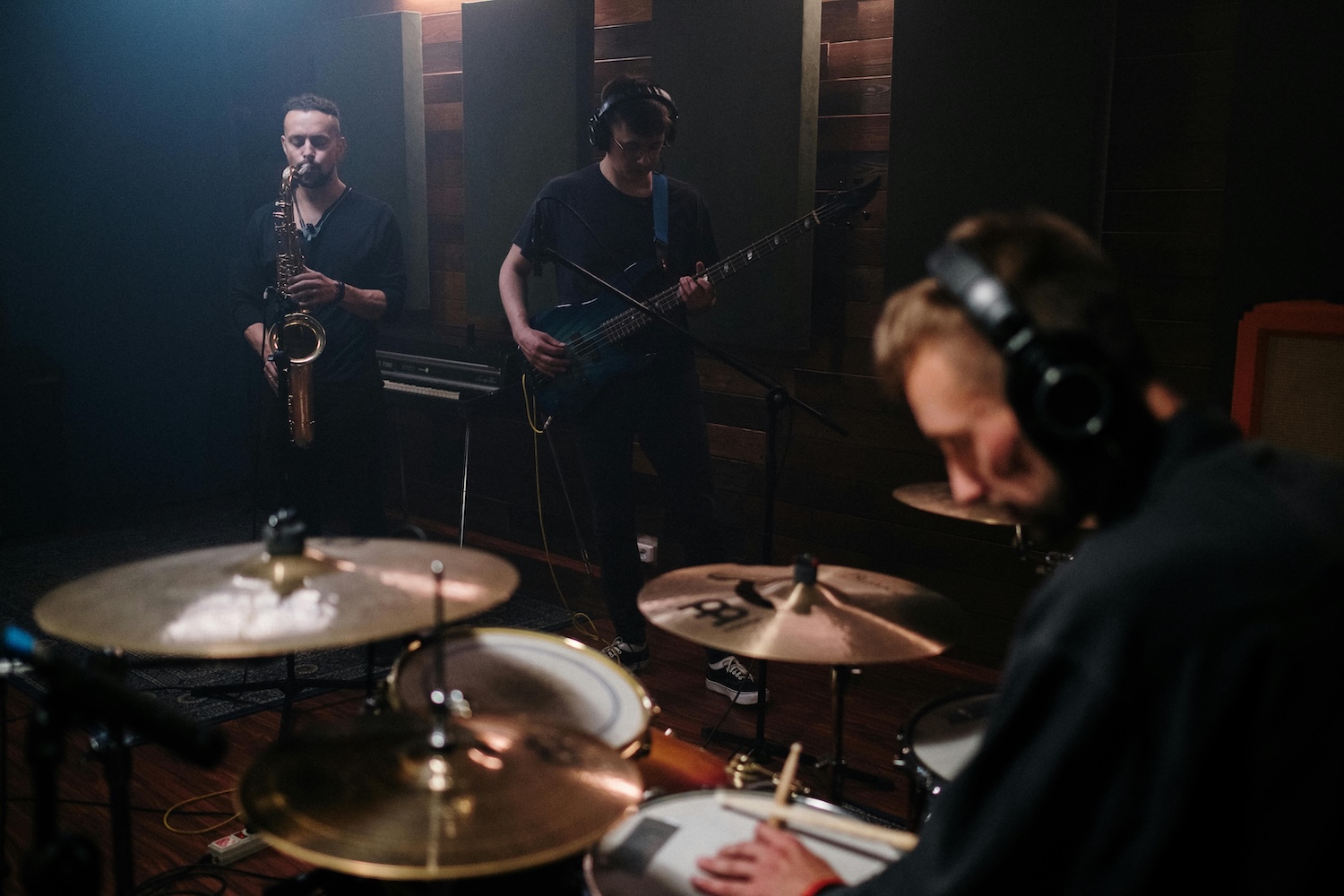
In reality, most musicians rely on a mix of income streams. Live shows and intimate concerts remain among the most important. Teaching at music schools or privately provides stability for many. Session work, studio jobs, and collaborations offer both income and experience.
Merchandise, workshops, choir work, cultural projects, and municipal engagements also play a growing role. For some, grants and funding contribute, but these require time, networks, and administrative skills that not everyone has.
Streaming usually functions as promotion within this ecosystem. It is where music is discovered, not where livelihoods are built.
From fans to communities
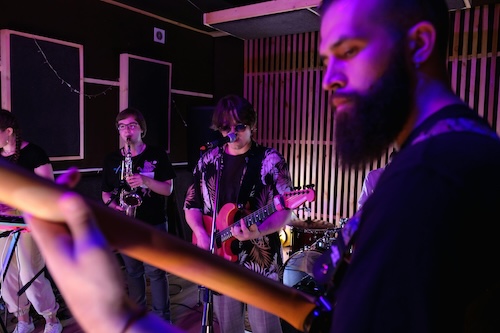
Musicians who succeed in building sustainable income often focus on relationships rather than reach. A smaller, engaged local audience can be far more valuable than thousands of passive listeners. When fans become part of a community, opportunities emerge for concerts, support, repeat experiences, and long term connections.
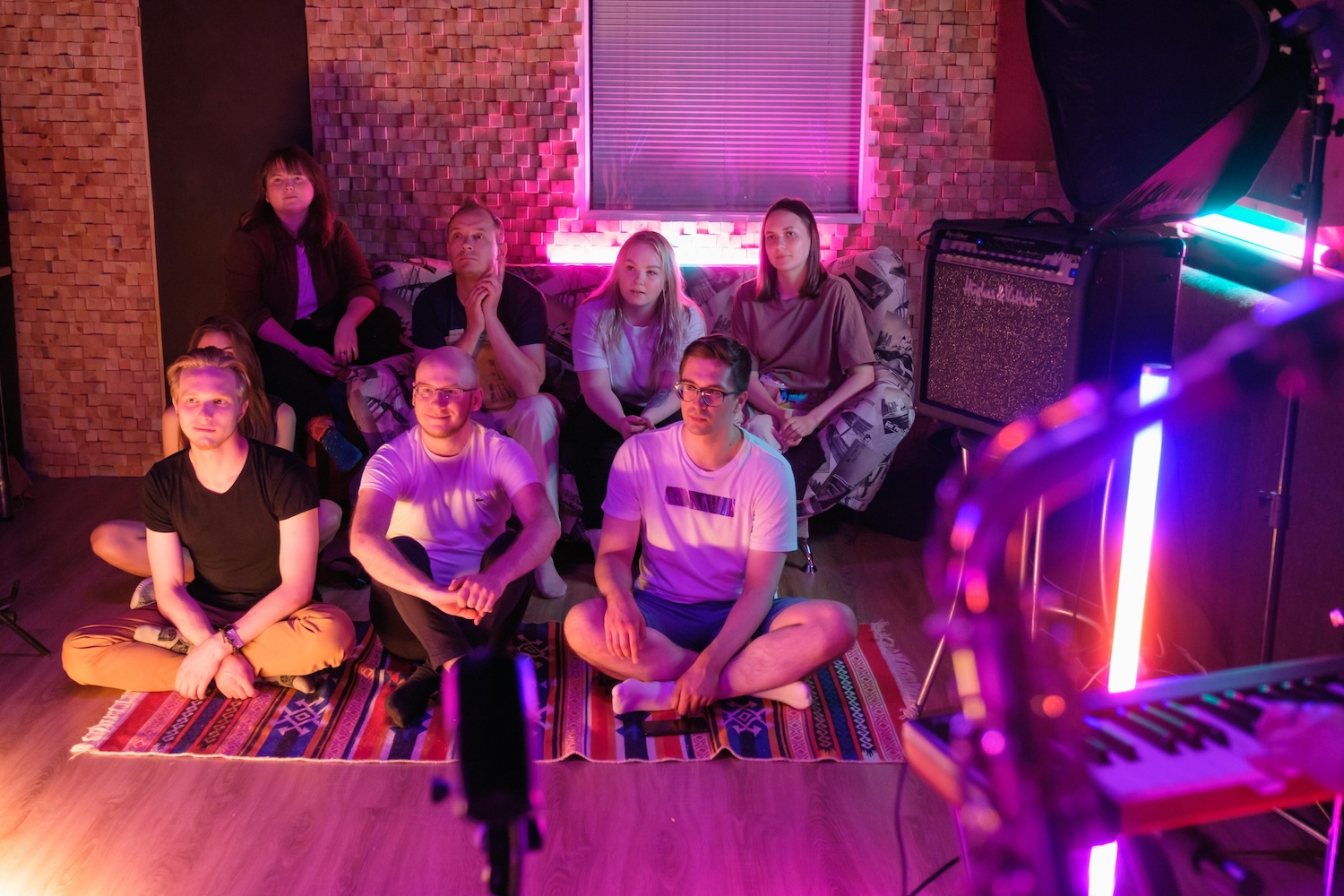
This is where music becomes tangible again. The rehearsal room, the venue, and the local scene become economic anchors in an otherwise digital world.
Streaming has changed how music is shared, but not how musicians earn a living. For most artists, streaming is a window, not a foundation. Sustainable music careers are built when visibility is combined with relationships, local presence, and multiple income streams. Musicians still live off everything else, because that is where music becomes work rather than just numbers on a screen.
Other blogs














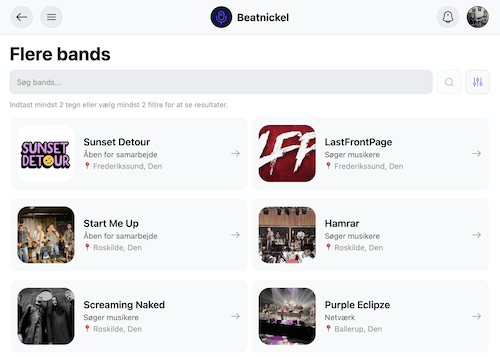
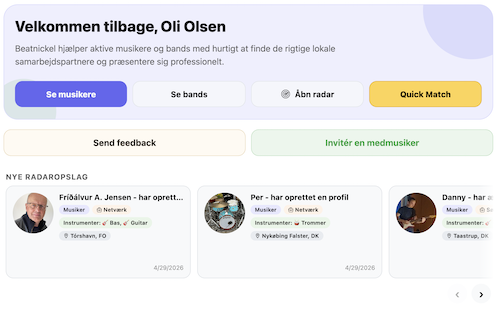



















































Discover a platform built to connect musicians, simplify bookings, and fuel creative growth.
Find us on social networks


