
Soon available on


Young Musicians Are Ready, but Adult Structures Are Missing
Date:
30.1.2026
Author:
Oli Olsen
Young Musicians Are Ready, but Adult Structures Are Missing
There is no shortage of talent, energy, or motivation among young musicians today. What’s missing are clear frameworks, adult structures, and bridges into a sustainable musical life. The transition from rehearsal room to reality is still far too fragile.
Motivation and talent are not the problem
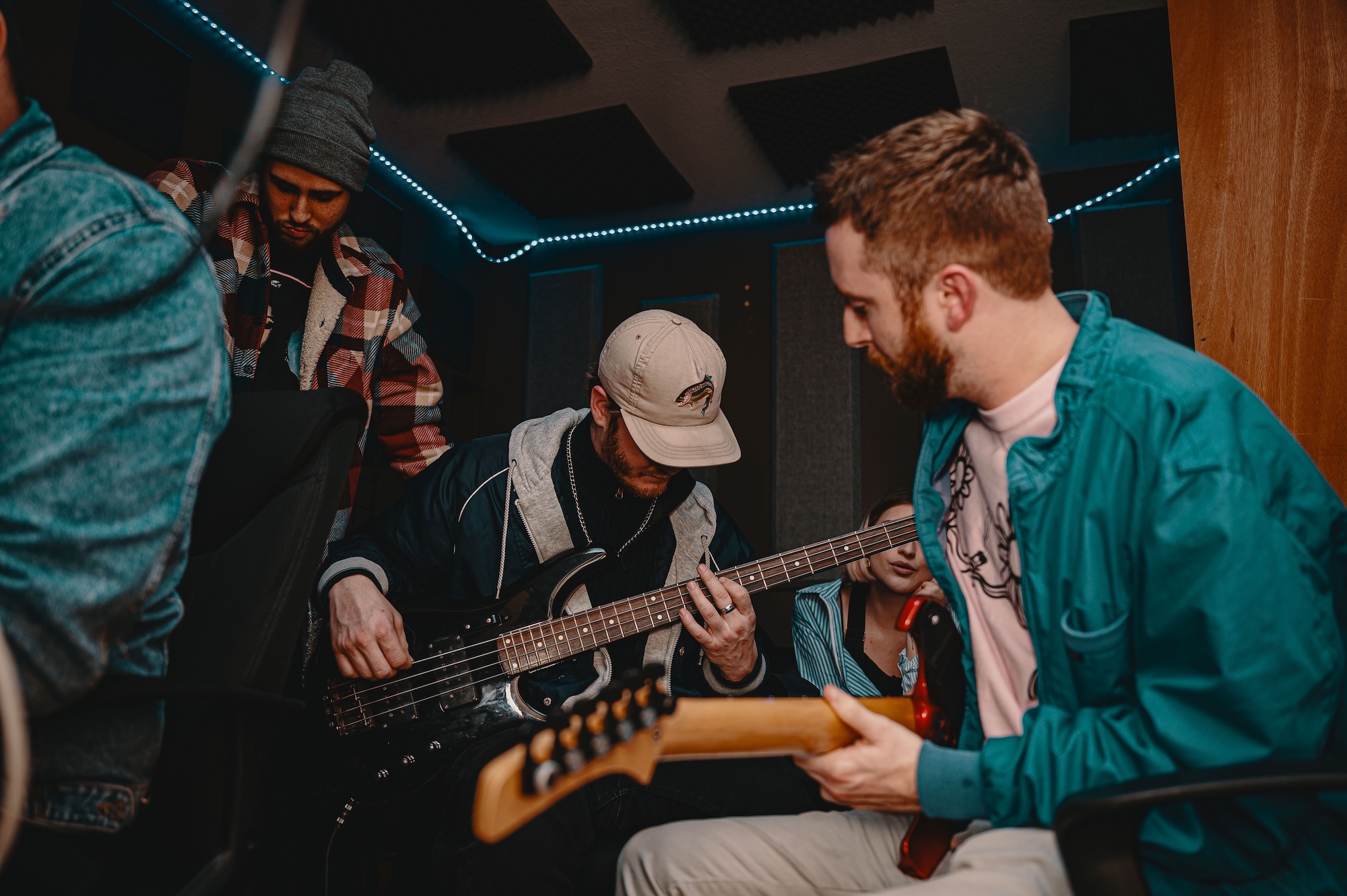
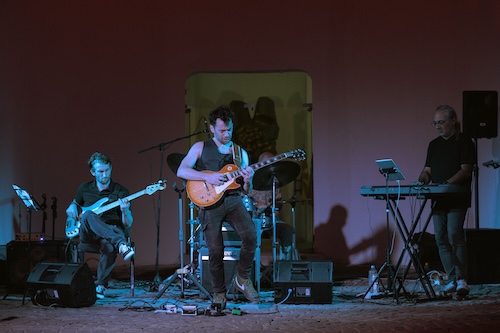
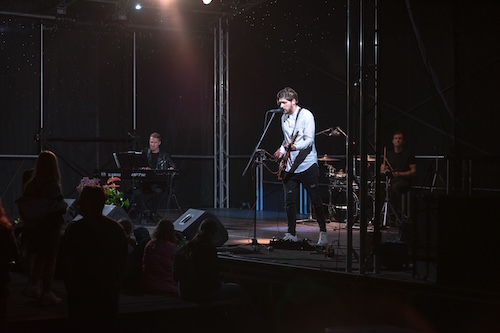
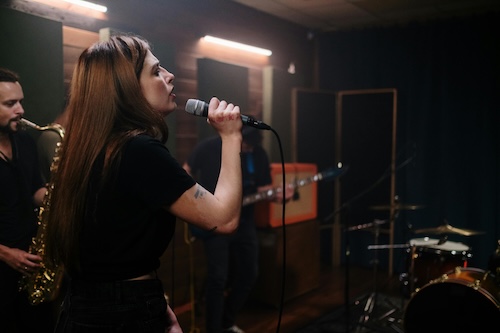
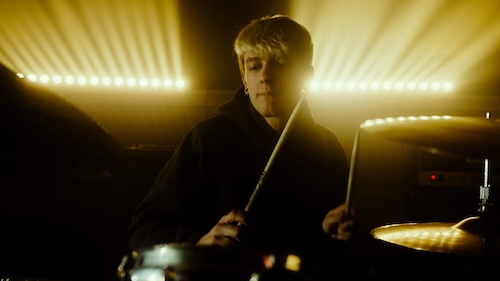
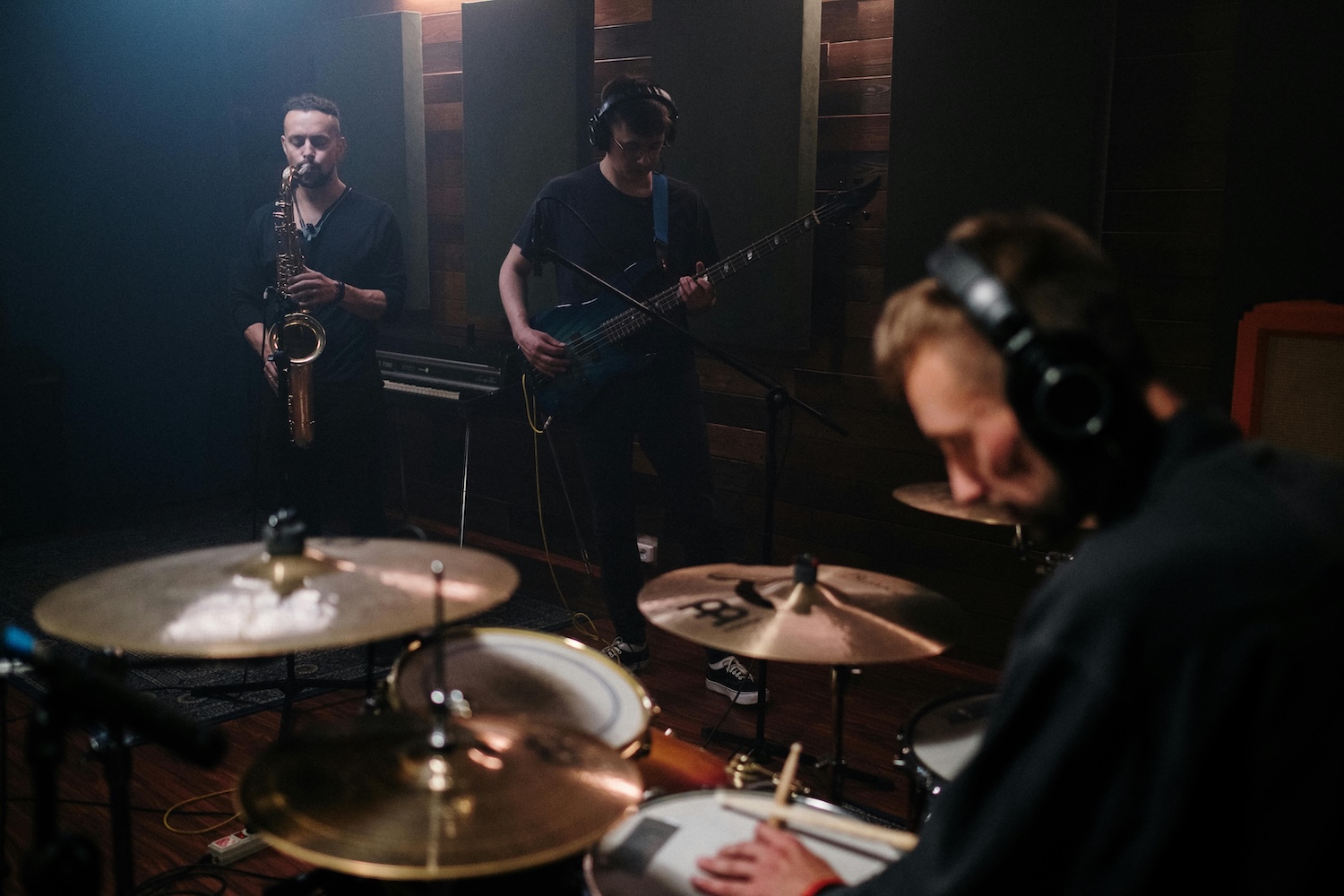
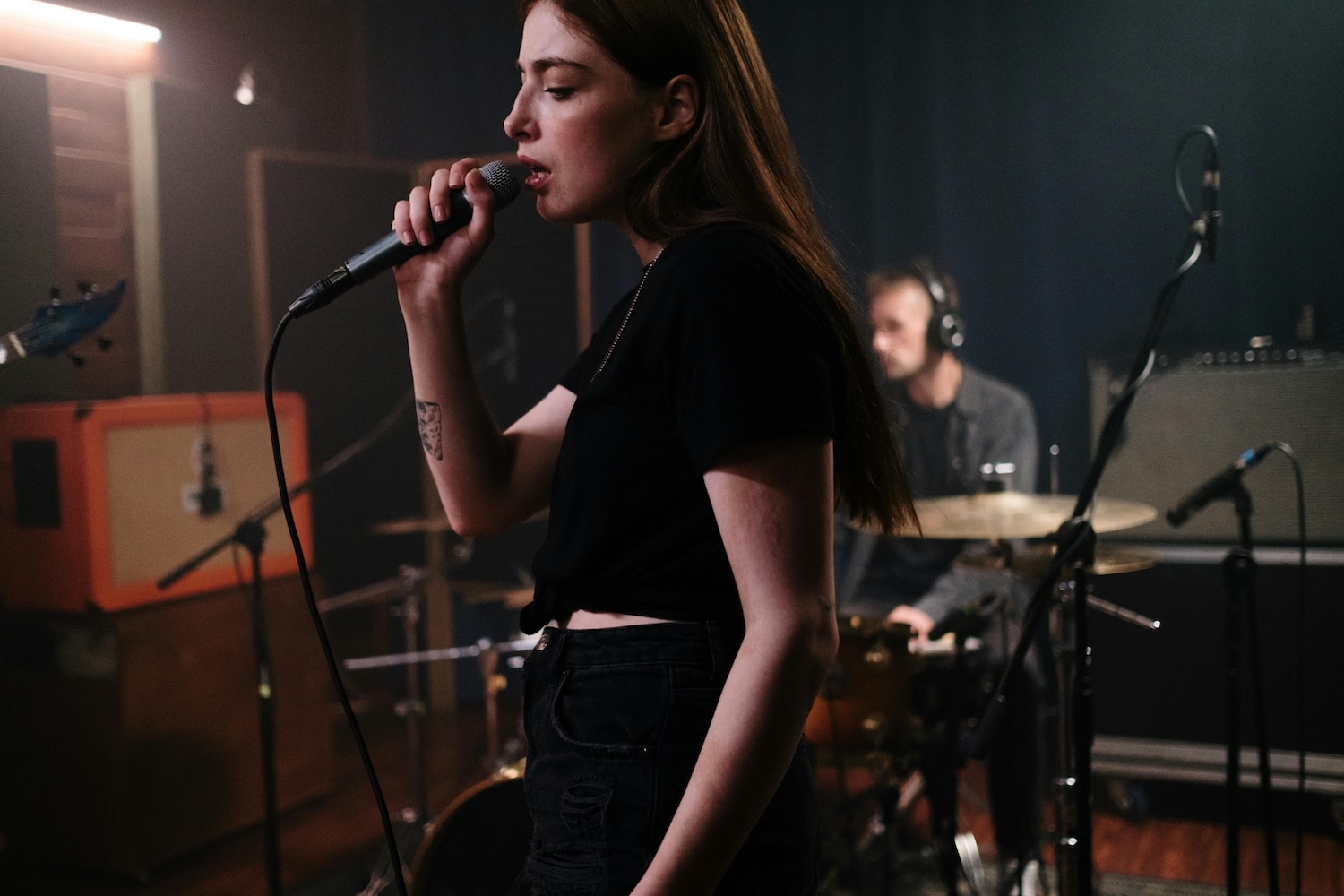
Talk to young musicians today and you’ll meet commitment, discipline, and seriousness. Many rehearse several times a week, write their own songs, play gigs, and spend countless hours developing their craft. They are ready. Not just to play around, but to take music seriously. Yet too many stall or drop out when they leave music schools, high school programs, or youth scenes.
The transition is the weak link
There is a gap between youth music life and adult musical reality. When formal structures disappear, guidance often disappears with them. Who helps find a band, a rehearsal space, or the first real gig? Who explains the difference between being talented and being reliable? For many young musicians, the answer is no one. The music world expects self navigation, but offers no map, no compass, and no mentors.
The lack of adult structures
Professional music life is full of unwritten rules. How do you function in a band? What is expected at rehearsals, on stage, and behind the scenes? How do you move from amateur to semi professional without burning out or being taken advantage of? These things are rarely taught. They are learned through experience, often after mistakes, disappointments, and people giving up.
The need for visible progression
Young musicians do not lack ambition. They lack visible steps. A sense that there are levels to move through, and that you don’t have to jump directly from your bedroom to a record deal. When progression is invisible, expectations become unrealistic and setbacks feel personal. That breeds doubt and, in many cases, resignation.
Collaboration across levels
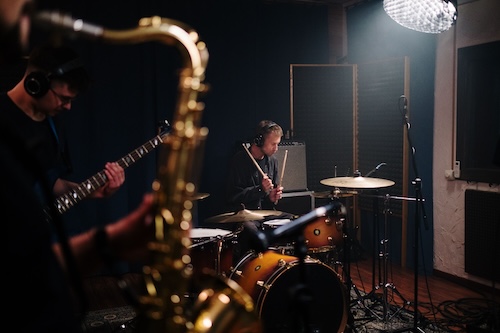
A healthy music ecosystem requires connections between generations. Young musicians need contact with amateurs and professionals, not as distant idols but as collaborators, sparring partners, and role models. When levels are isolated, knowledge is lost. When they are connected, learning, networks, and continuity emerge.
A shared platform as a bridge
This is where Beatnickel can play a key role. Not as another showcase, but as a shared structure where young musicians, amateurs, and professionals exist side by side. A platform where you can see where you are, where you can go next, and who might help you along the way. When progression, collaboration, and local grounding become visible, music life becomes more accessible and more sustainable.
Young musicians are not the problem. They are ready, motivated, and skilled. The surrounding structures are what’s missing. If we want to retain talent, strengthen local music scenes, and build long term musical careers, we must take responsibility for the transition from young to adult musician. With clear frameworks, visible progression, and collaboration across levels, Beatnickel can become the bridge between dreams and reality.
Other blogs














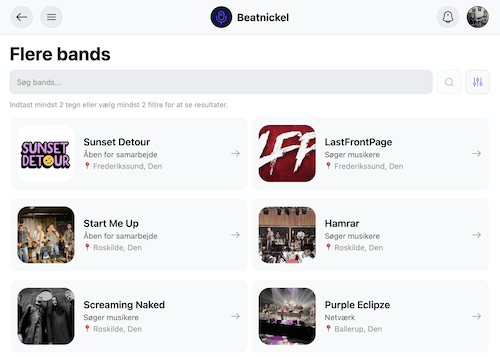
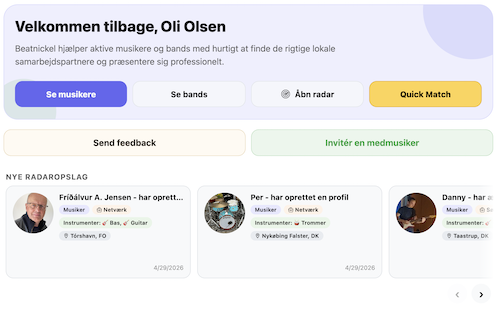










































Discover a platform built to connect musicians, simplify bookings, and fuel creative growth.
Find us on social networks


