
Soon available on


Why the Best Musicians Are Often the Ones You’ve Never Heard Of
Date:
27.1.2026
Author:
Oli Olsen
Why the Best Musicians Are Often the Ones You’ve Never Heard Of
In the music world, visibility is often mistaken for quality. But many of the most skilled musicians work far from the spotlight. They play locally, steadily, and professionally without hype, without branding machines, and without algorithmic momentum.
Skill doesn’t always make noise
There is a persistent myth that the best musicians naturally rise to the top. That talent inevitably leads to stages, media attention, and large followings. In reality, this is rarely the case. Skill is often quiet. It shows up as musical sensitivity, reliability, adaptability, and the ability to make others sound better. Not as views, likes, or followers.
Many highly competent musicians choose something else over visibility. They say yes to local work. They build long term relationships. They get called again. They make a living from music without talking loudly about it.
Visibility is a separate craft
Being visible requires time, energy, and strategic focus. Content creation, social media, branding, and self promotion are real disciplines. But they are not the same as musical excellence. In fact, the constant pressure to be visible often reduces the time available for practice, collaboration, and shared development.
As a result, our perception of who is “good” becomes distorted. Not those who play best together. Not those who solve the musical task. But those who are easiest to find.
Local ecosystems carry the music
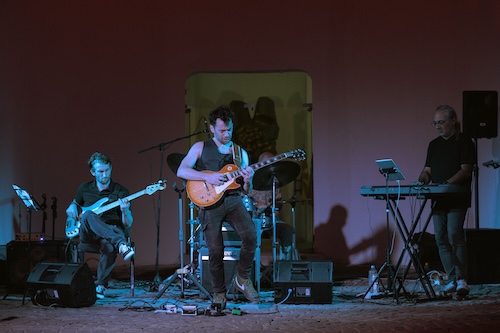
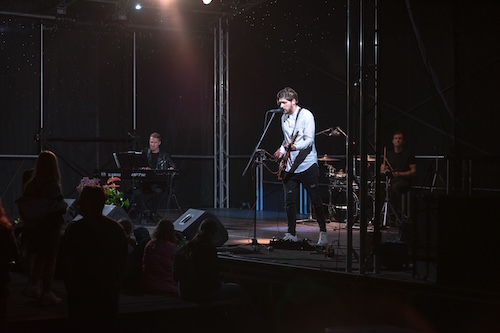
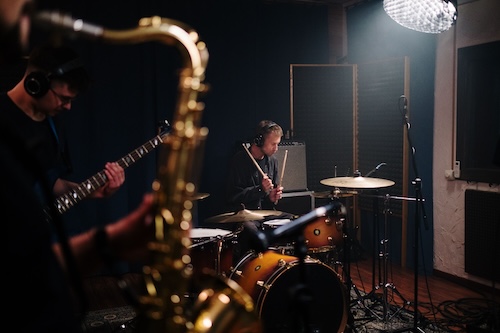
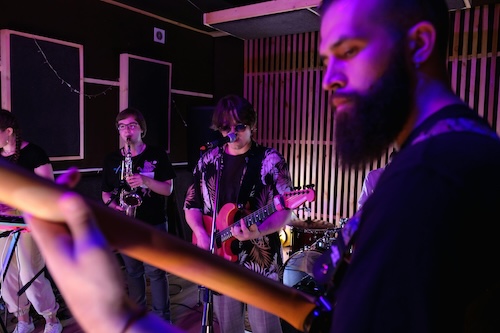
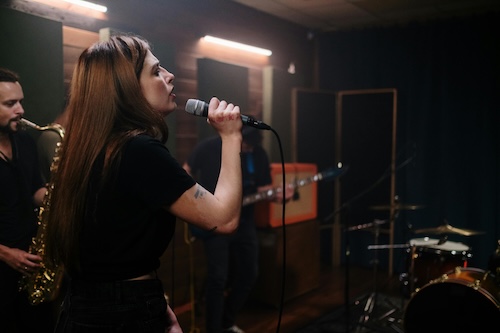
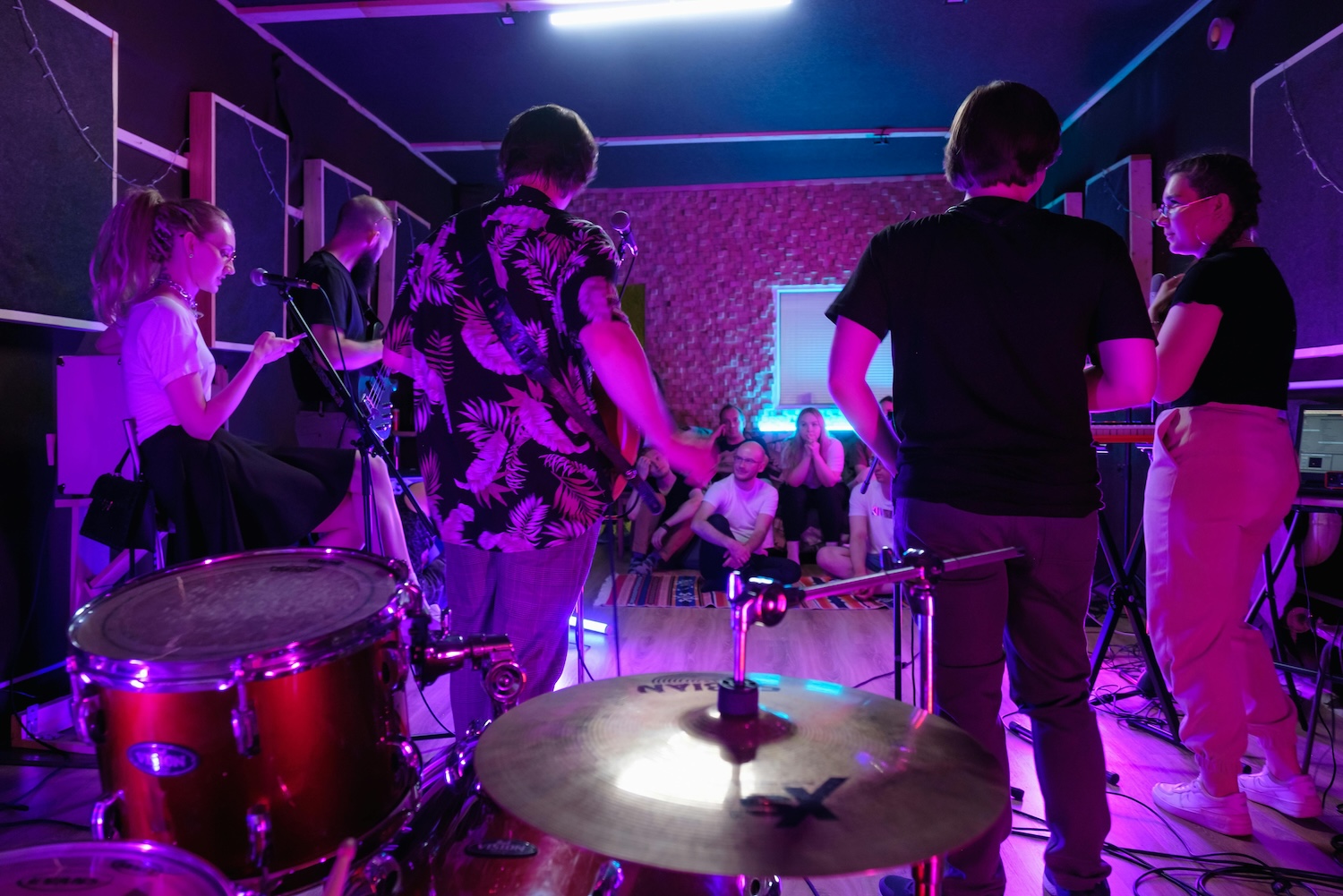
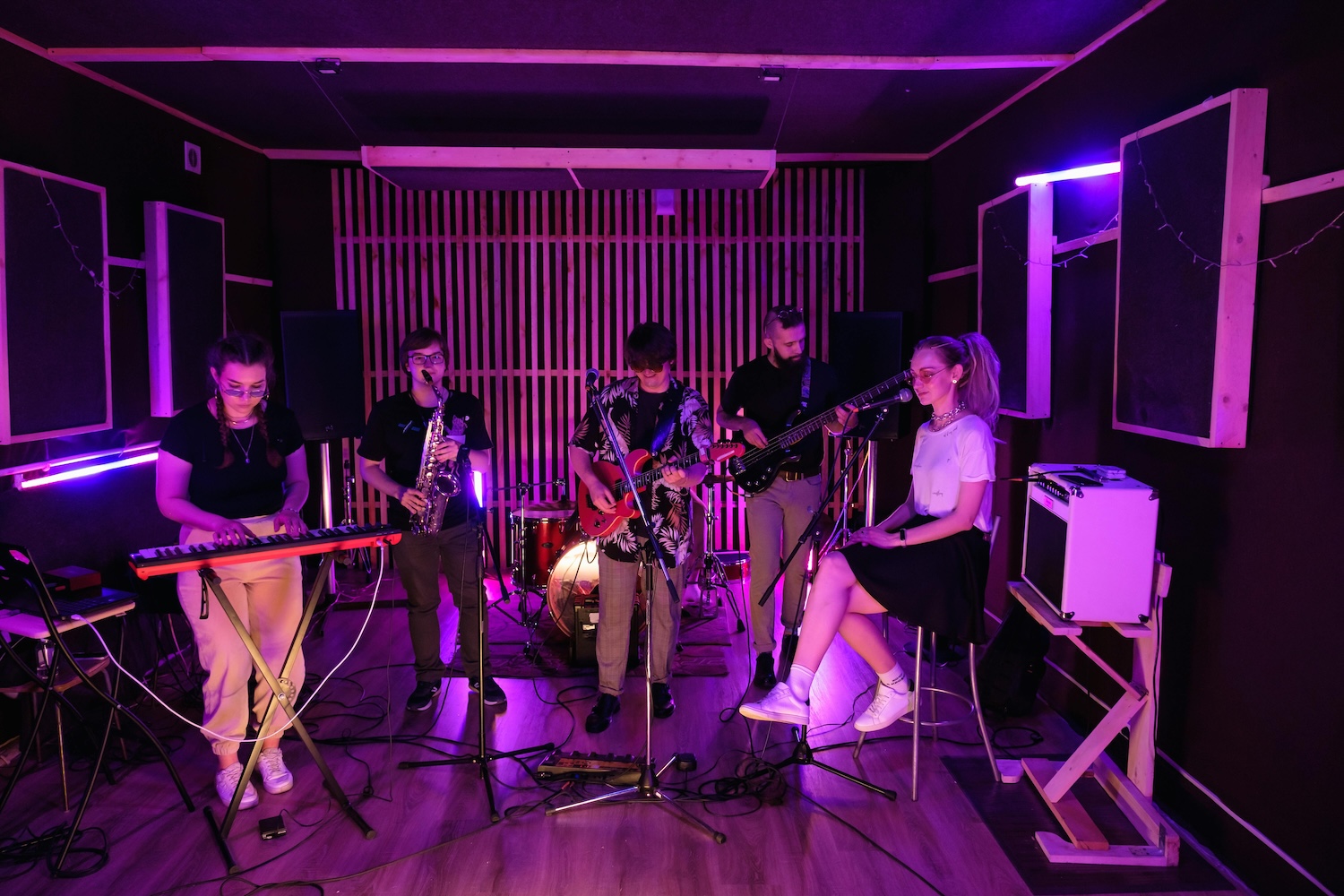
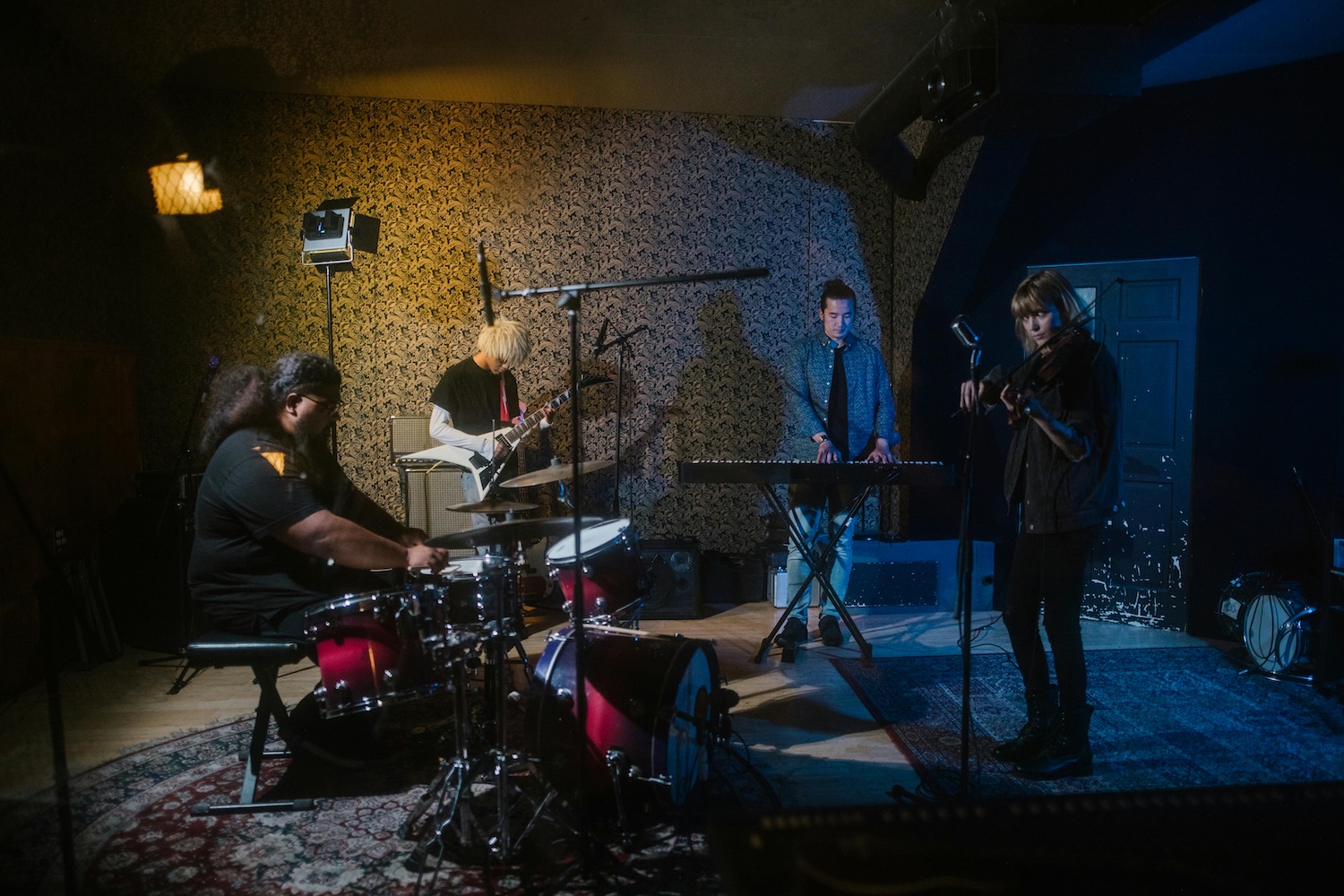
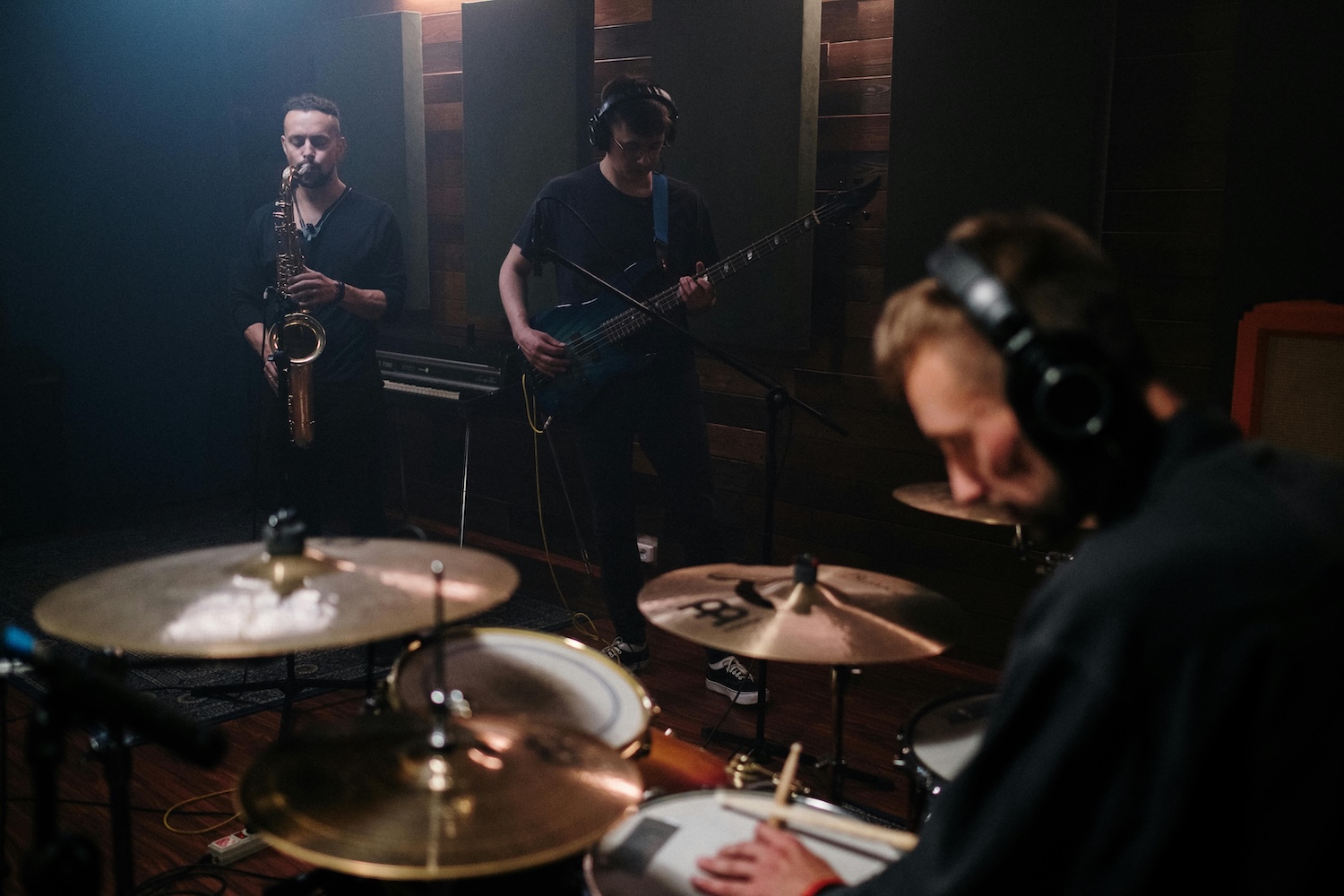
Most of music life exists locally. In rehearsal rooms, small venues, private events, and long running collaborations. Here you find musicians who can read the room, adapt quickly, learn new material fast, and keep bands together for years.
They rarely go viral. But they are essential. They are the ones who make the system work.
Popularity often hides competence
When attention becomes the main currency, real competence is easily overlooked. Musicians are reduced to profiles rather than collaborators. Numbers replace trust. Decisions are based on visibility instead of suitability.
This makes the music ecosystem more fragile and more superficial. Not because anyone intends it, but because the structure rewards the wrong signals.
Beatnickel looks in the opposite direction
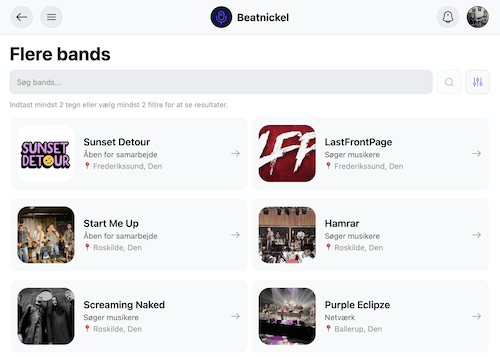
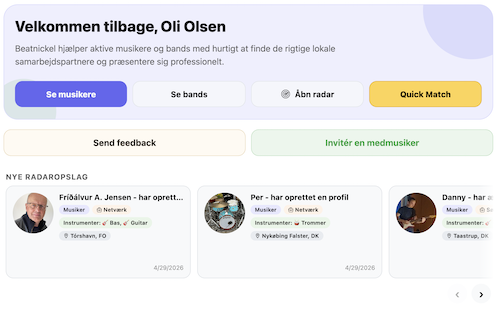
Beatnickel is built on a different logic. It is not about being the most visible, but about being relevant. Matchmaking based on instruments, experience, ambition, and local presence makes it possible to discover musicians you would otherwise never encounter.
Local networks make competence visible through practice. Not as hype, but as usefulness. Not as popularity, but as trust.
The best musicians are often not the most visible ones. They are the ones who show up. Who listen. Who build something together over time. When the music world starts valuing competence over popularity, it becomes richer, more sustainable, and more human. Beatnickel is a step in that direction.
Other blogs




























































Discover a platform built to connect musicians, simplify bookings, and fuel creative growth.
Find us on social networks


