
Soon available on


Musicians as Solo Players in a Team Sport Society
Date:
23.1.2026
Author:
Oli Olsen
Musicians as Solo Players in a Team Sport Society
Music is almost always created together, yet the structures around musicians push them to think and act alone. The result is fragile bands, burned-out artists, and collaborations that rarely last.
There is a fundamental paradox in modern music life. Music is born from interaction. Rhythm, timing, dynamics, and expression emerge between people. Still, most of the systems musicians navigate are built around the individual.
Each musician is expected to promote themselves, manage their own visibility, negotiate terms, and take full responsibility for survival. Even when working in a band, the underlying logic remains individual.
It is like asking a football team to play together, but only measuring personal statistics. Not wins. Not teamwork. Not continuity.
When musicians are forced into a solo mindset within what is clearly a team sport, tension becomes inevitable. Not because people have bad intentions, but because the system rewards the wrong behavior.
When collaboration becomes a private burden
In many bands and musical projects, collaboration relies on informal agreements and personal goodwill. Clear structures for roles, responsibility, and shared goals are often missing.
Who takes the lead. Who handles bookings. Who writes. Who promotes. Who pays. These questions are familiar, yet rarely answered clearly. When things fall apart, conflicts feel personal, even though the real failure is structural.
Individualization as a source of burnout
Platforms, funding systems, and visibility mechanisms are often designed for individuals. Profiles are personal. Achievements are individual. Networks are something you build on your own.
This creates competition where coordination should exist. Many musicians burn out not because of the music itself, but because of everything surrounding it. The constant pressure to perform as an individual, even inside collective projects, drains energy and trust.
Bands dissolve not because the idea was wrong, but because sustainability was never built into the system.
When the band lacks a shared identity
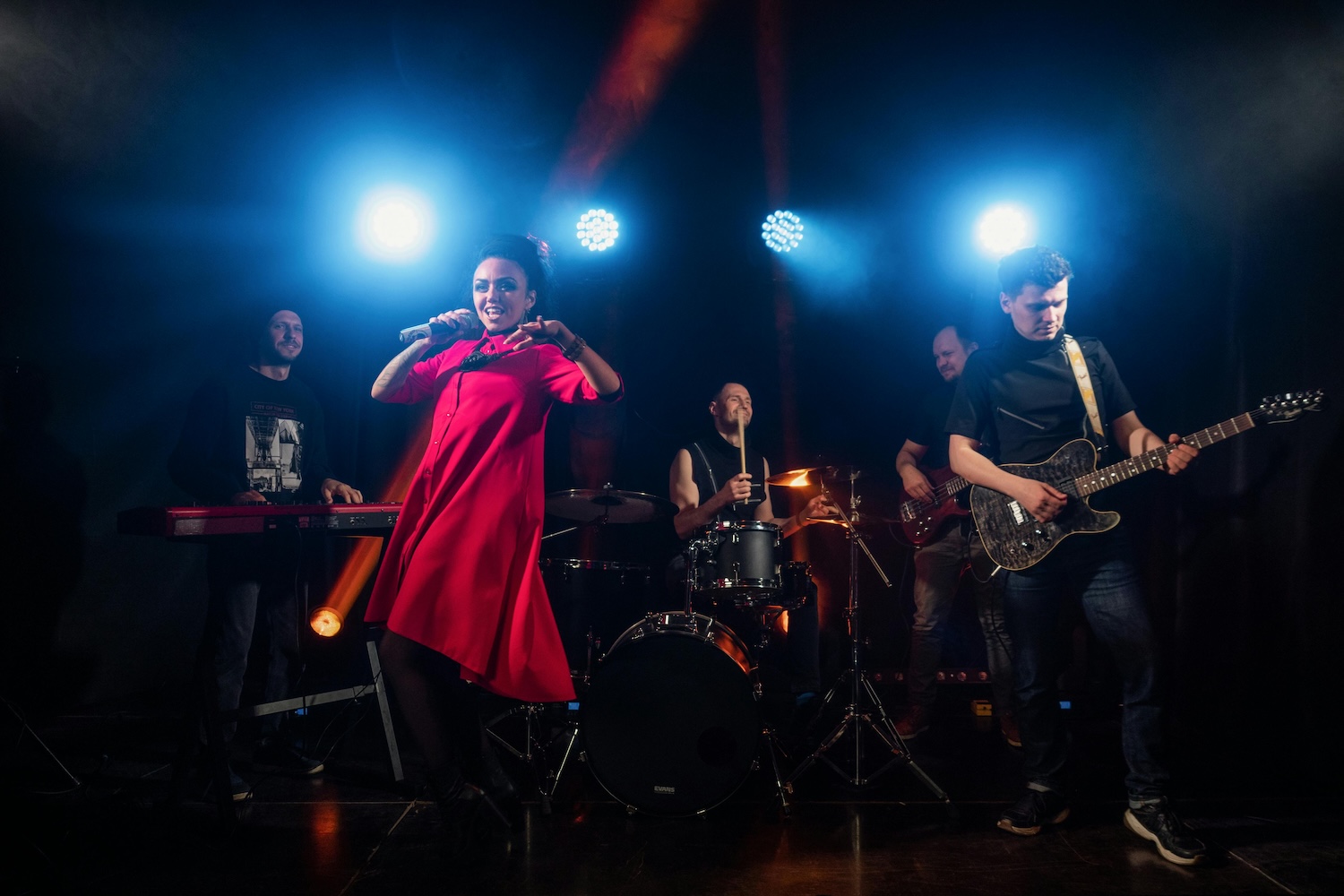
A band is more than a collection of musicians. It is a shared identity, a common sound, and often a shared working life. But when systems only recognize individuals, the band becomes a temporary project rather than a lasting entity.
Without a shared foundation, continuity disappears. Members come and go. Knowledge is lost. Relationships wear down. Building something long-term becomes almost impossible.
A system designed for teams, not heroes
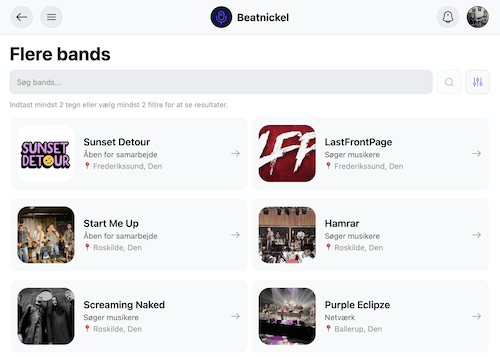
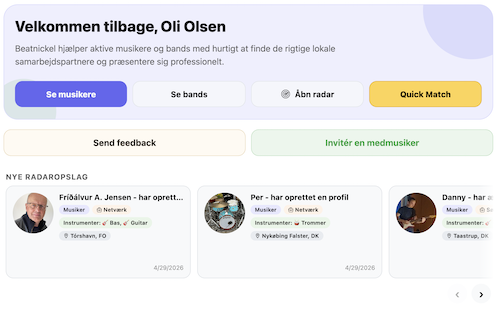
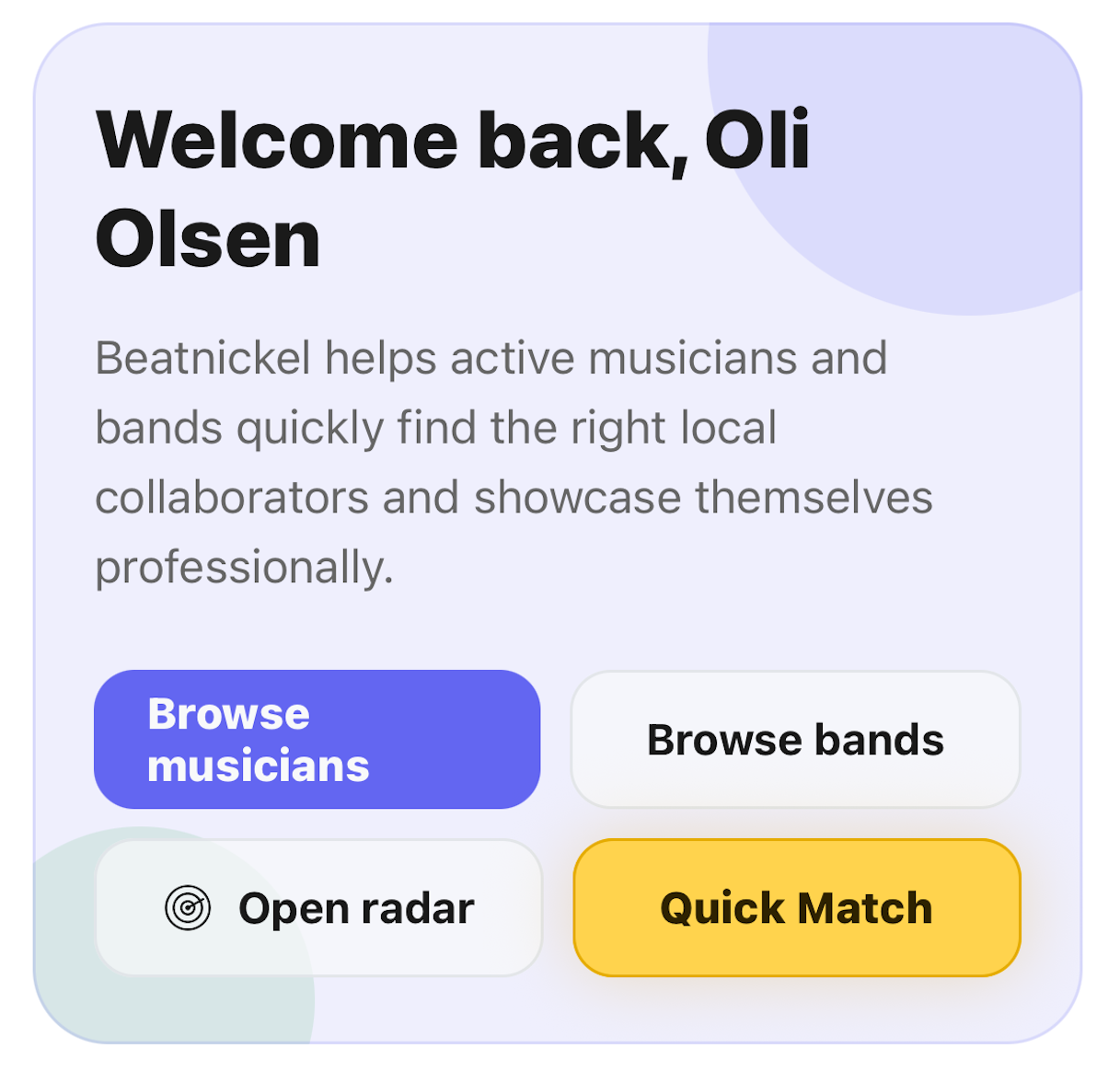
Beatnickel is built as a response to solo logic. The platform is designed to support bands, teams, and shared identities rather than only individual profiles.
By giving bands their own presence, networks, and visibility, collaboration becomes structural instead of personal. Musicians can join constellations where roles are clearer, relationships are visible, and continuity is supported by the system itself.
Music has always been a team sport. The problem is not musicians, but the frameworks they are placed in. When collaboration is treated as a private responsibility, both people and projects burn out.
If music life is to become more sustainable, it needs structures that take teamwork seriously. Not as a romantic idea, but as a practical foundation. Only then can music grow without breaking the community that creates it.
Other blogs















































Discover a platform built to connect musicians, simplify bookings, and fuel creative growth.
Find us on social networks


