
Soon available on


The most dangerous word in the music industry is “project”
Date:
20.1.2026
Author:
Oli Olsen
The most dangerous word in the music industry is “project”
Project based work is often sold as freedom and creative flexibility. In reality, it has made musical life more fragmented, unpredictable and exhausting than ever before. Perhaps musicians do not need more gigs, but stronger structures to stand on.
The word project has gained a special status in the music industry. It signals movement, creativity and momentum. New constellations, short term collaborations and temporary setups are framed as modern and progressive. But beneath the surface, a different reality is unfolding.
When everything is a project, nothing is stable. Every ending becomes a new beginning. New agreements, new relationships, new expectations. Musicians are constantly forced to reintroduce themselves, renegotiate their value and rebuild trust from scratch. This creates insecurity, both financially and socially.
Project based thinking has spread everywhere. Bands, tours, teaching jobs, collaborations with venues and cultural institutions. Continuity has slowly become the exception rather than the rule.
When flexibility turns into fragmentation
Flexibility sounds appealing. The ability to say yes and no. The freedom to shape your own working life. But flexibility without stable anchors quickly turns into fragmentation.
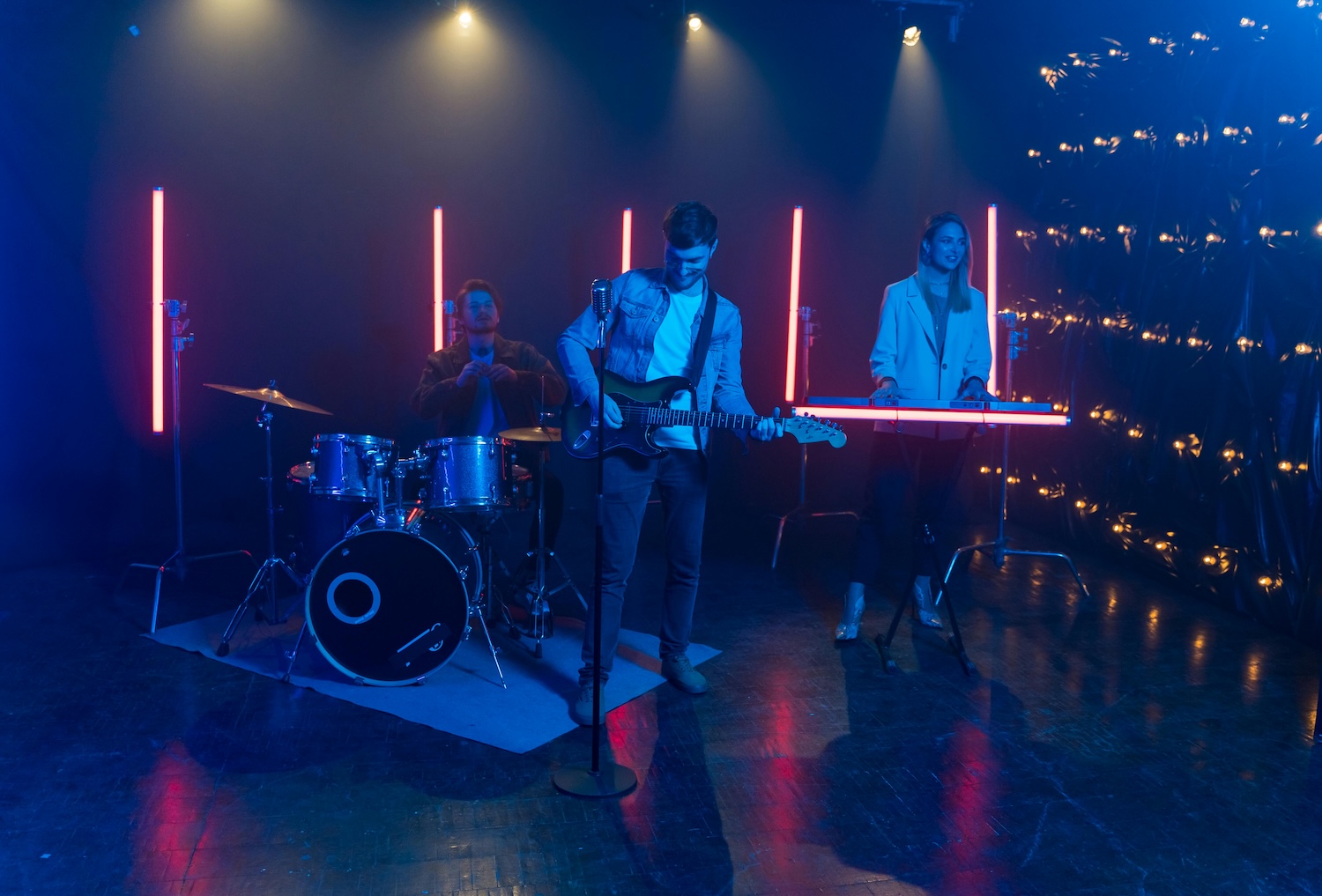
Many musicians now operate in parallel tracks with no shared direction. A band here. A short term project there. A temporary contract. A workshop. A collaboration that quietly fades away. None of these are wrong on their own, but together they form a working life without rhythm or repetition.
Without repetition, there is no depth. Without continuity, there is no trust. And without stable relationships, even the best musical experiences become fleeting.
More gigs do not solve the core problem
When musicians feel pressure and uncertainty, the solution is often framed as the need for more work. More concerts. More projects. More activity. But if the underlying structure is fragile, more activity often amplifies the problem rather than solving it.
More gigs without stable collaborations mean more coordination, more uncertainty and more responsibility placed on the individual. It becomes harder to say no, harder to prioritise and harder to build something that lasts beyond the next calendar entry.
What many musicians lack is not volume. It is coherence.
Music is relational work
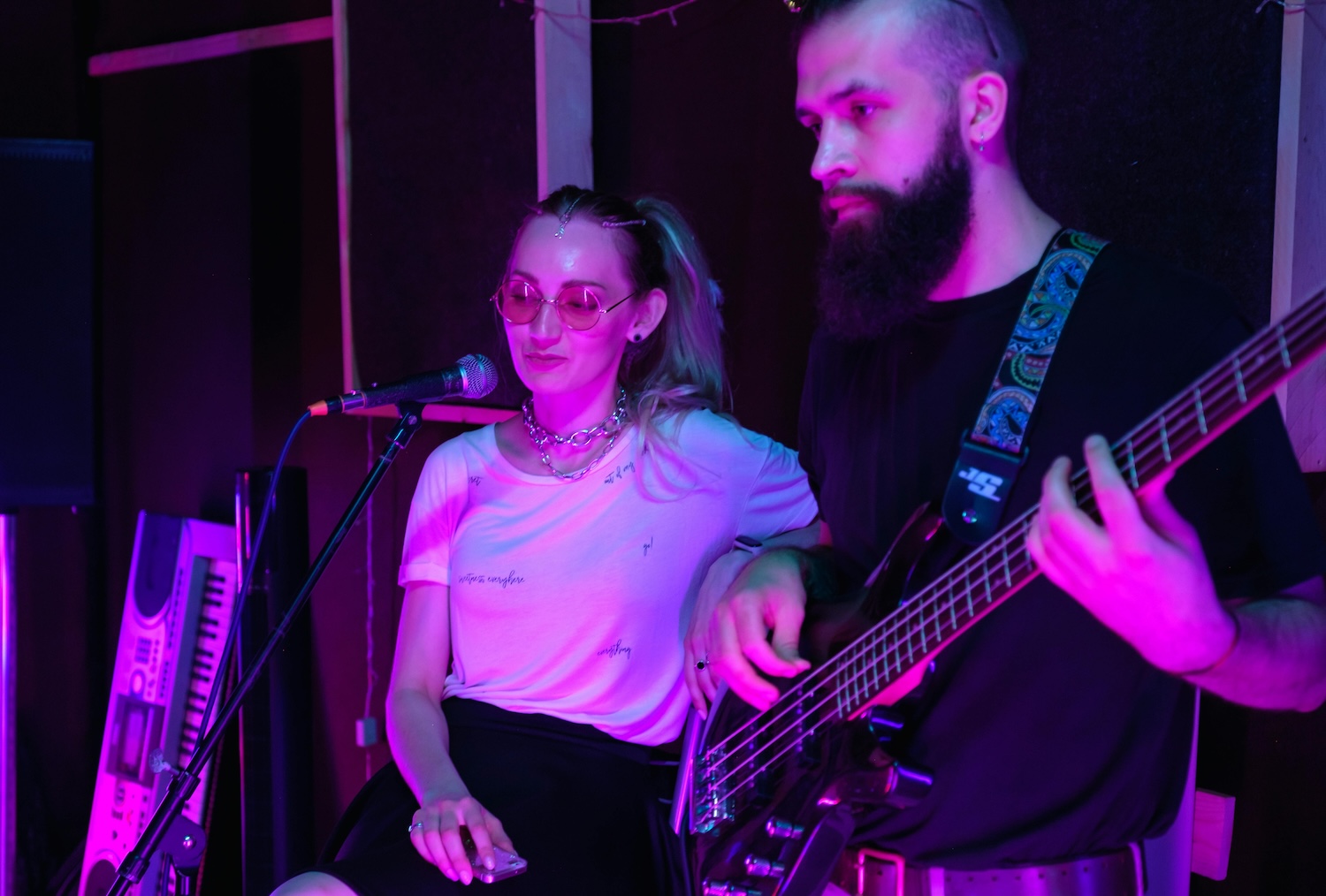
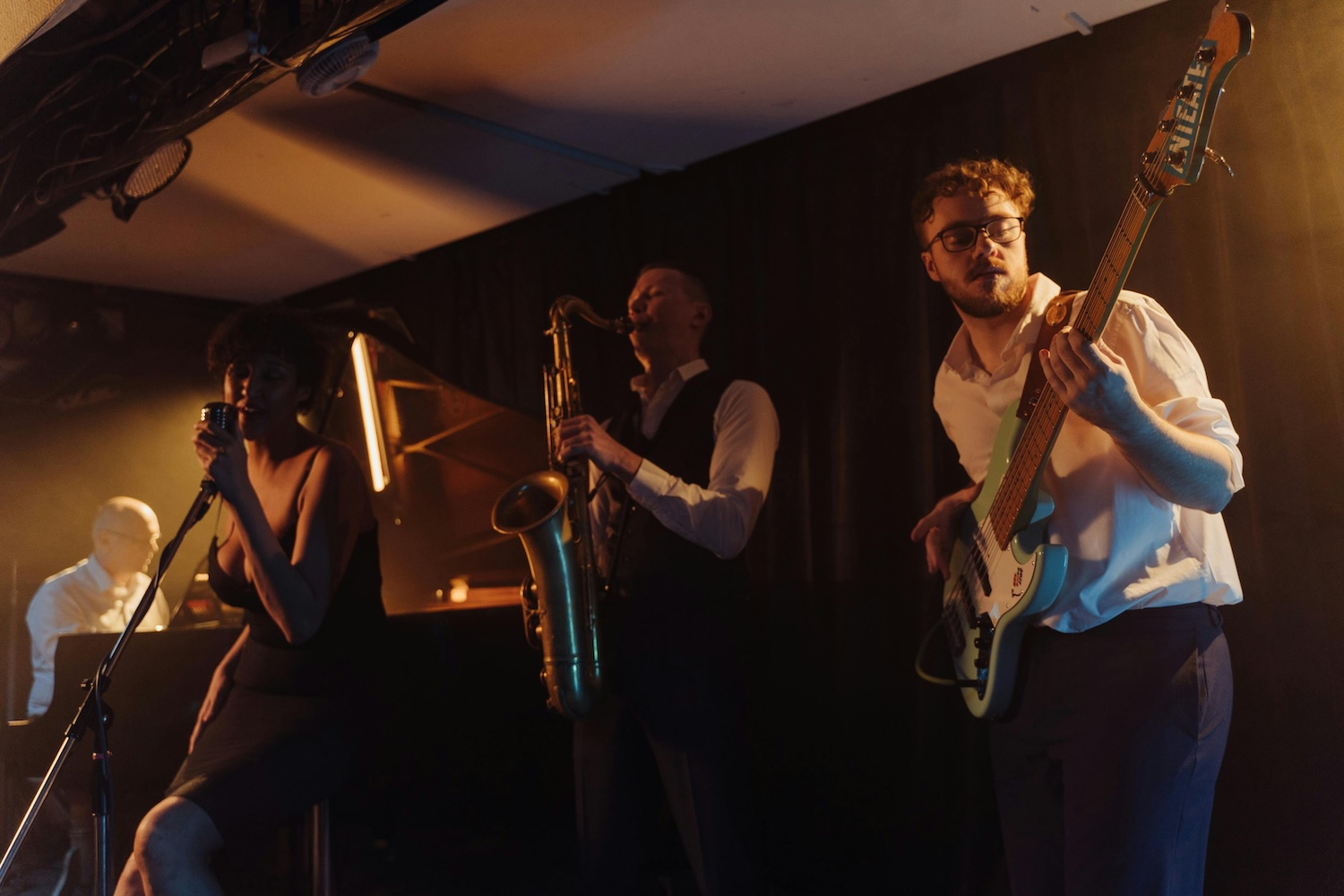
Music rarely happens in isolation. It grows through relationships. Through repeated encounters. Through shared references and accumulated experience. The strongest musical collaborations are built over time, not from one project to the next.
When collaborations are constantly reset, much of the invisible work that makes music sustainable disappears. Social understanding. Shared language. Trust in each other’s decisions. These elements are what make a musical life resilient.
Yet they are difficult to cultivate in a system that rewards temporary engagement over long term commitment.
Beatnickel as a counterweight to project culture
This is where Beatnickel takes a different approach from many existing platforms. The focus is not just on the next match or the next opportunity, but on relationships that can develop over time.
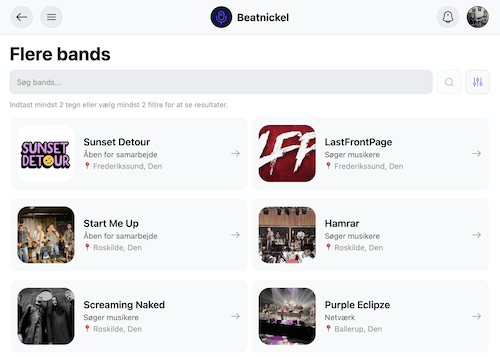
The platform is designed to support stable constellations, recurring collaborations and local communities. Musicians can find each other with the intention of building something together, not just completing a task.
By making relationships, continuity and shared history visible, Beatnickel helps musicians move away from endless one off projects and towards more sustainable musical lives.
The project itself is not the problem. The problem arises when projects become the only organising principle of musical life.
A sustainable music industry requires more than flexibility. It requires structure, repetition and relationships that can carry both the artistic and the human side of the work.
Perhaps it is time to ask less about the next project and more about who we are building with.
Other blogs






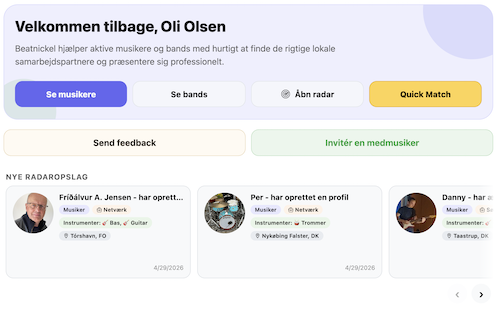






























Discover a platform built to connect musicians, simplify bookings, and fuel creative growth.
Find us on social networks


