
Soon available on


Musicians as Solo Players in a Team Sport Society
Date:
28.1.2026
Author:
Oli Olsen
Musicians as Solo Players in a Team Sport Society
Music is created through collaboration, yet many musicians are pushed to think and act as individuals. When structures reward solo performance over teamwork, the result is conflict, burnout, and bands that rarely last.
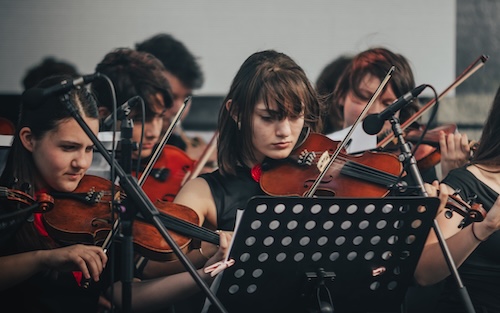
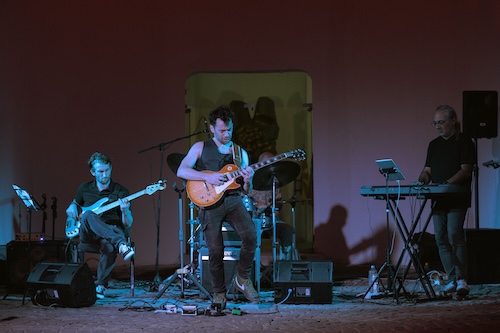
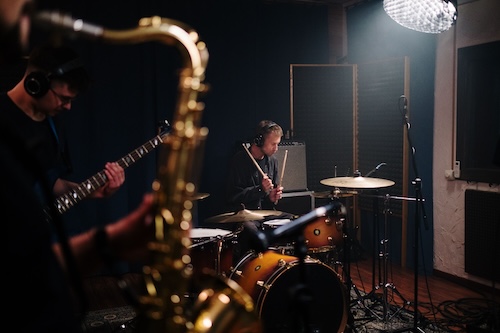
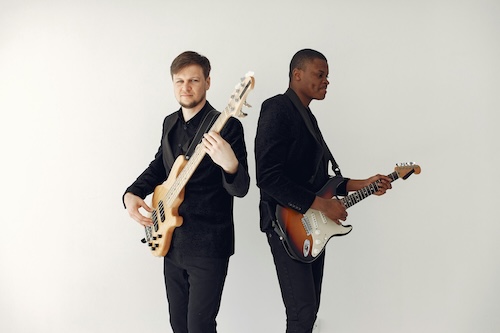
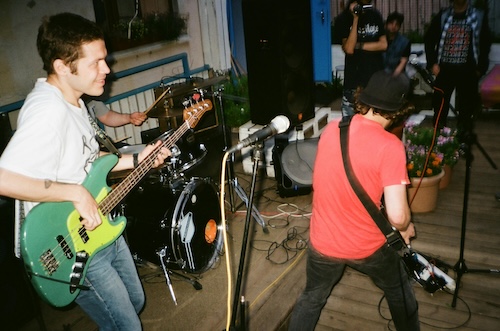
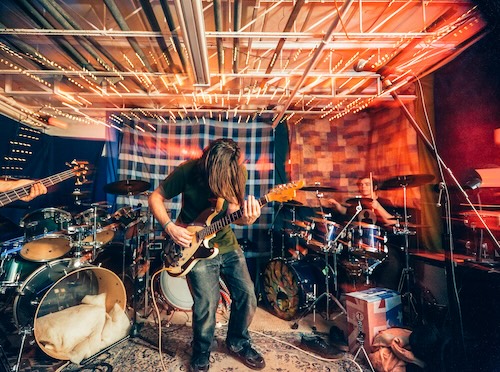
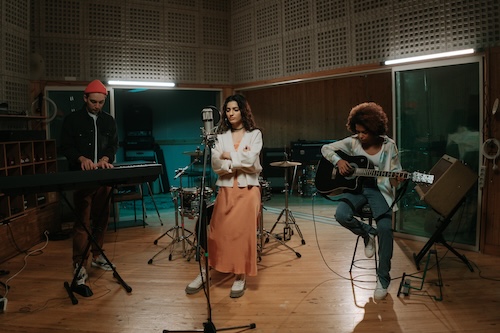
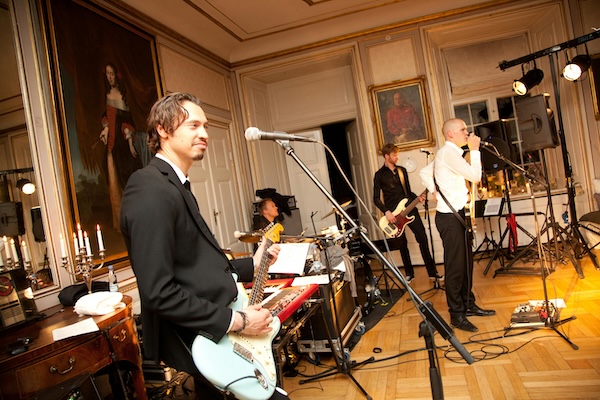
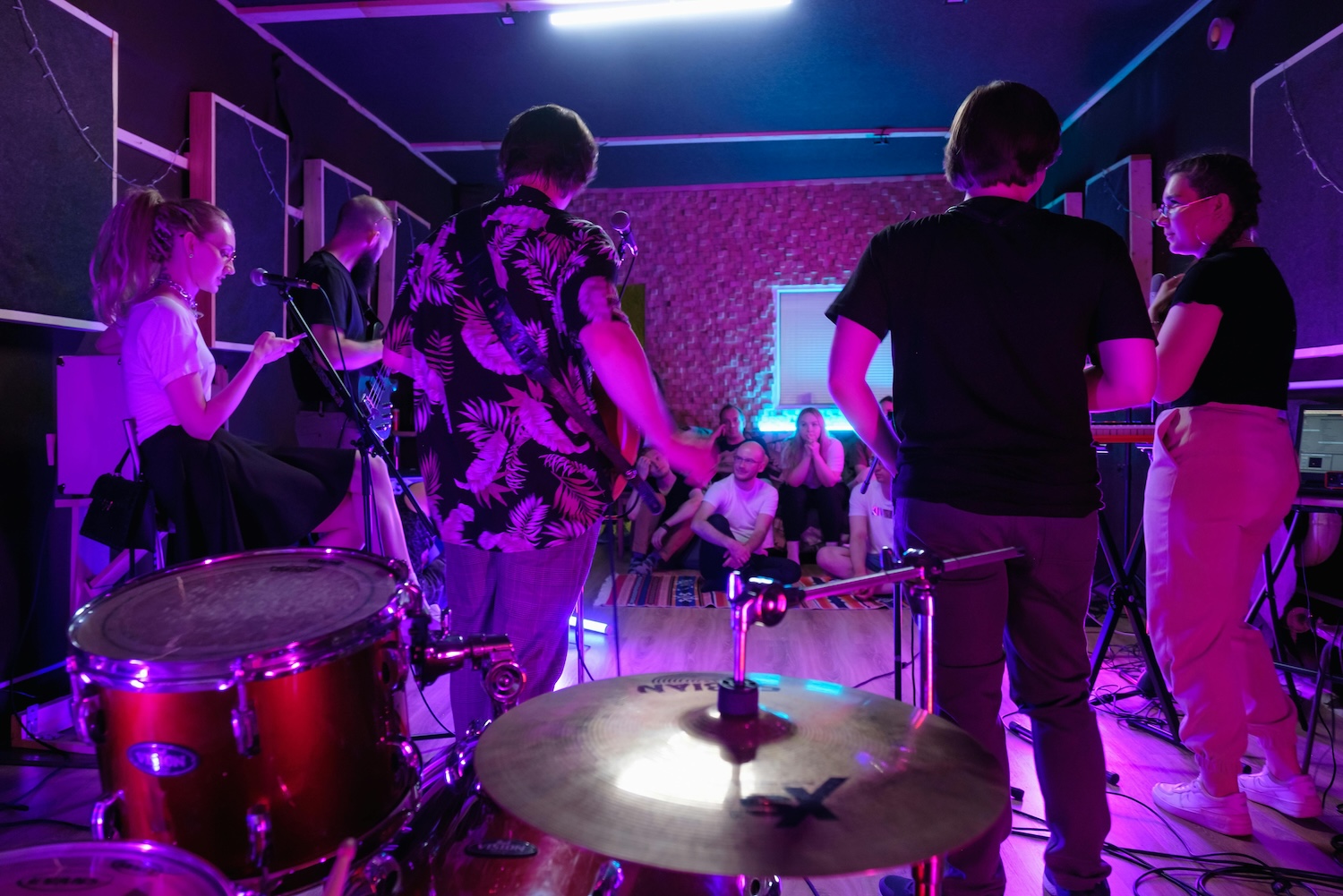
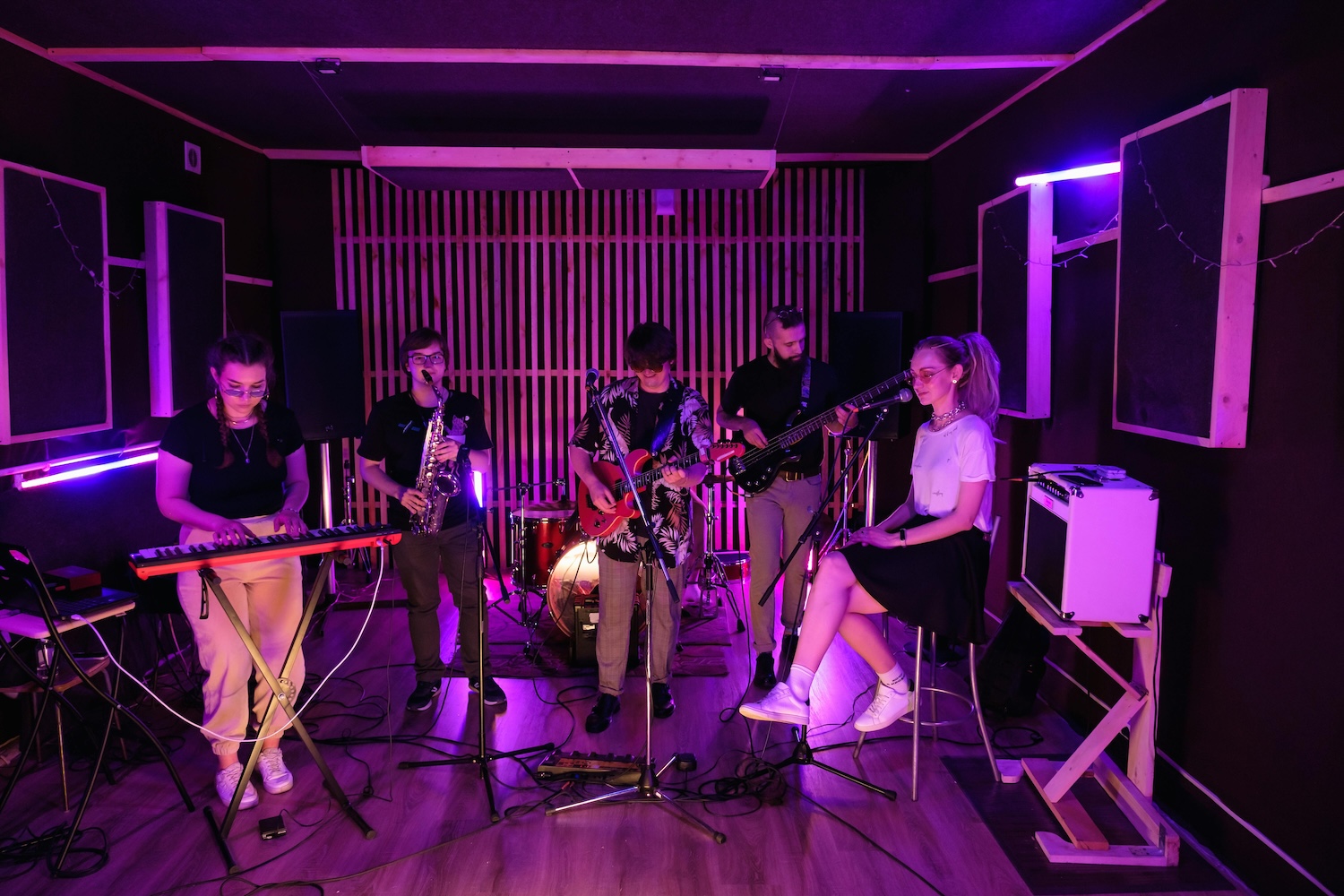
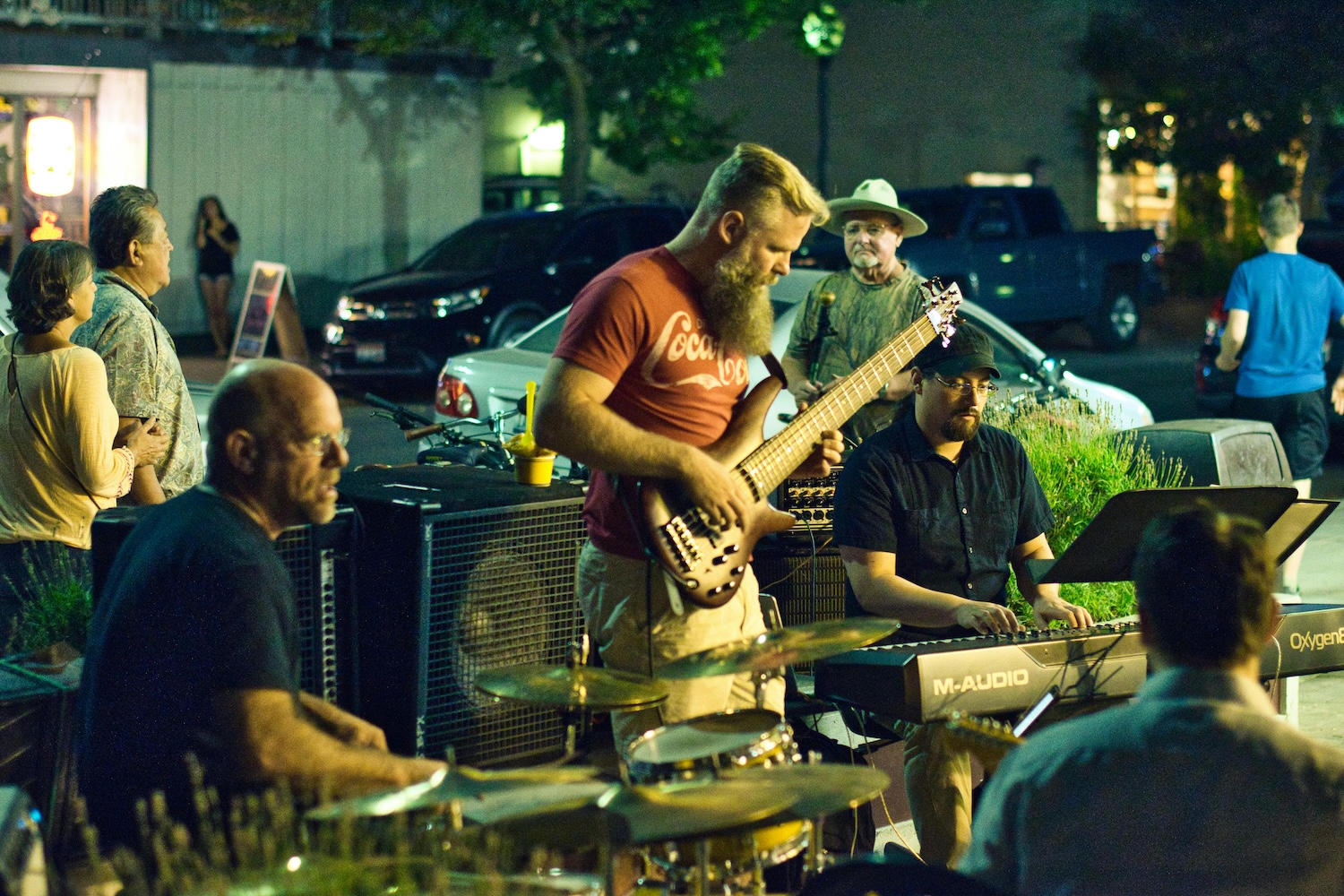
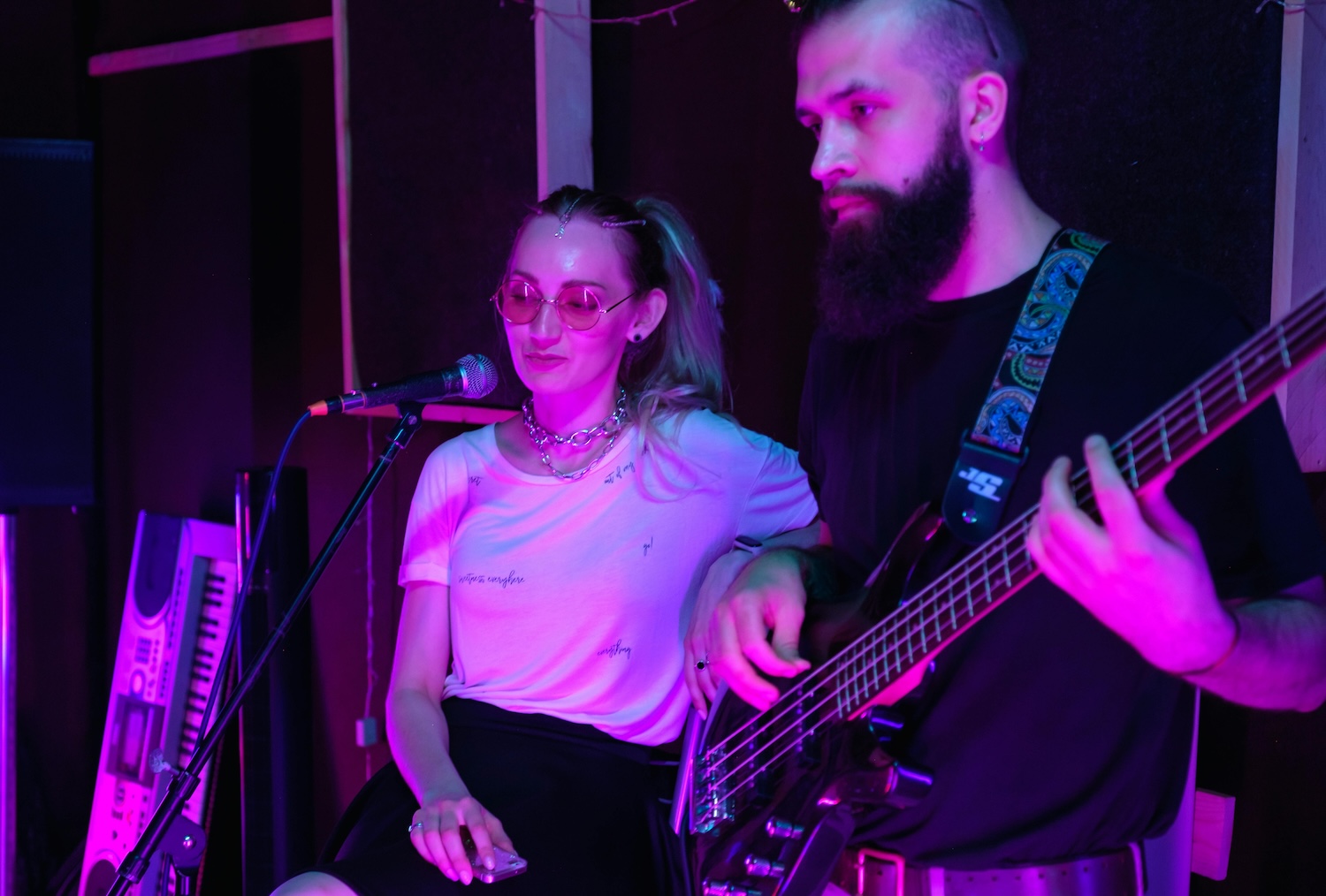
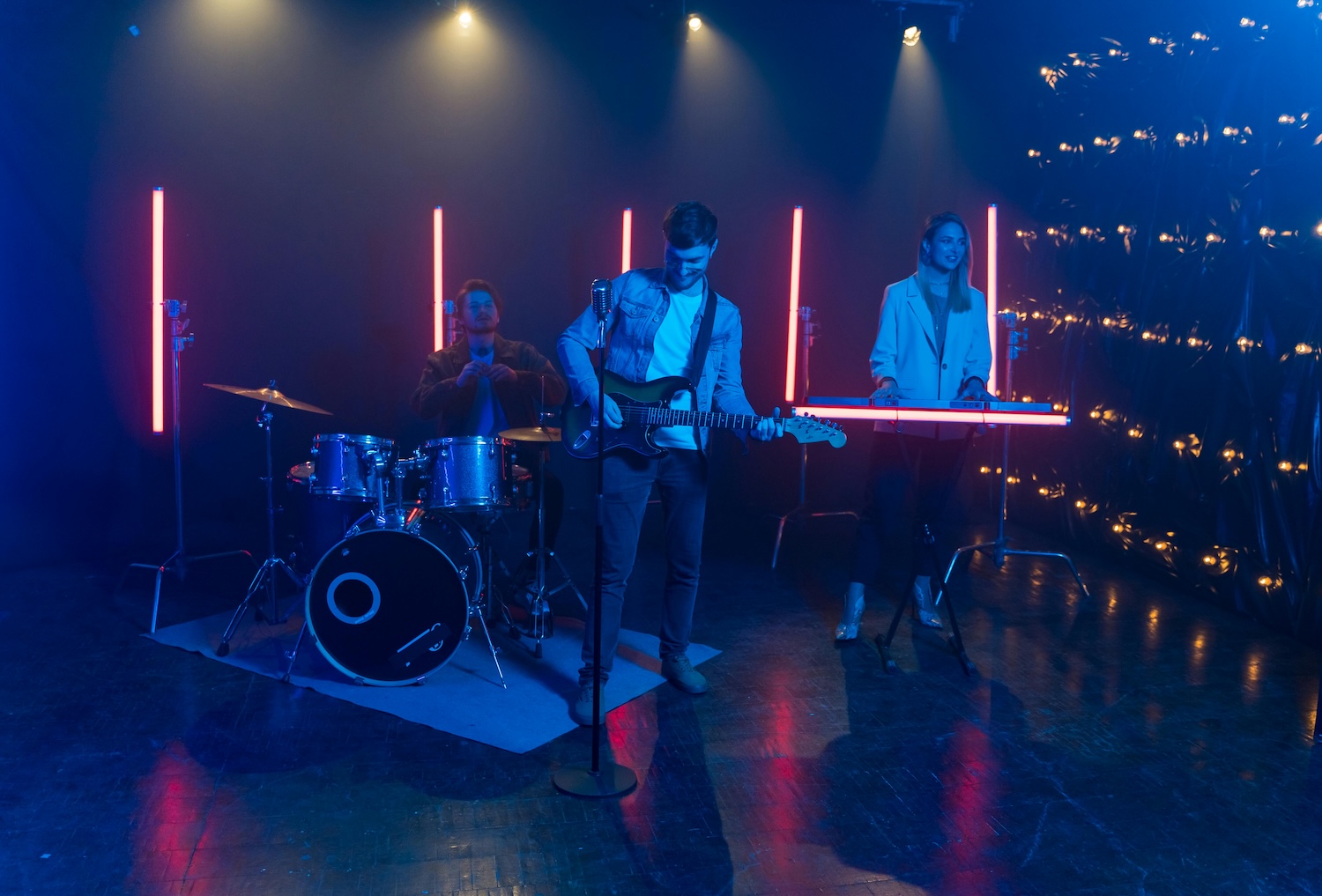
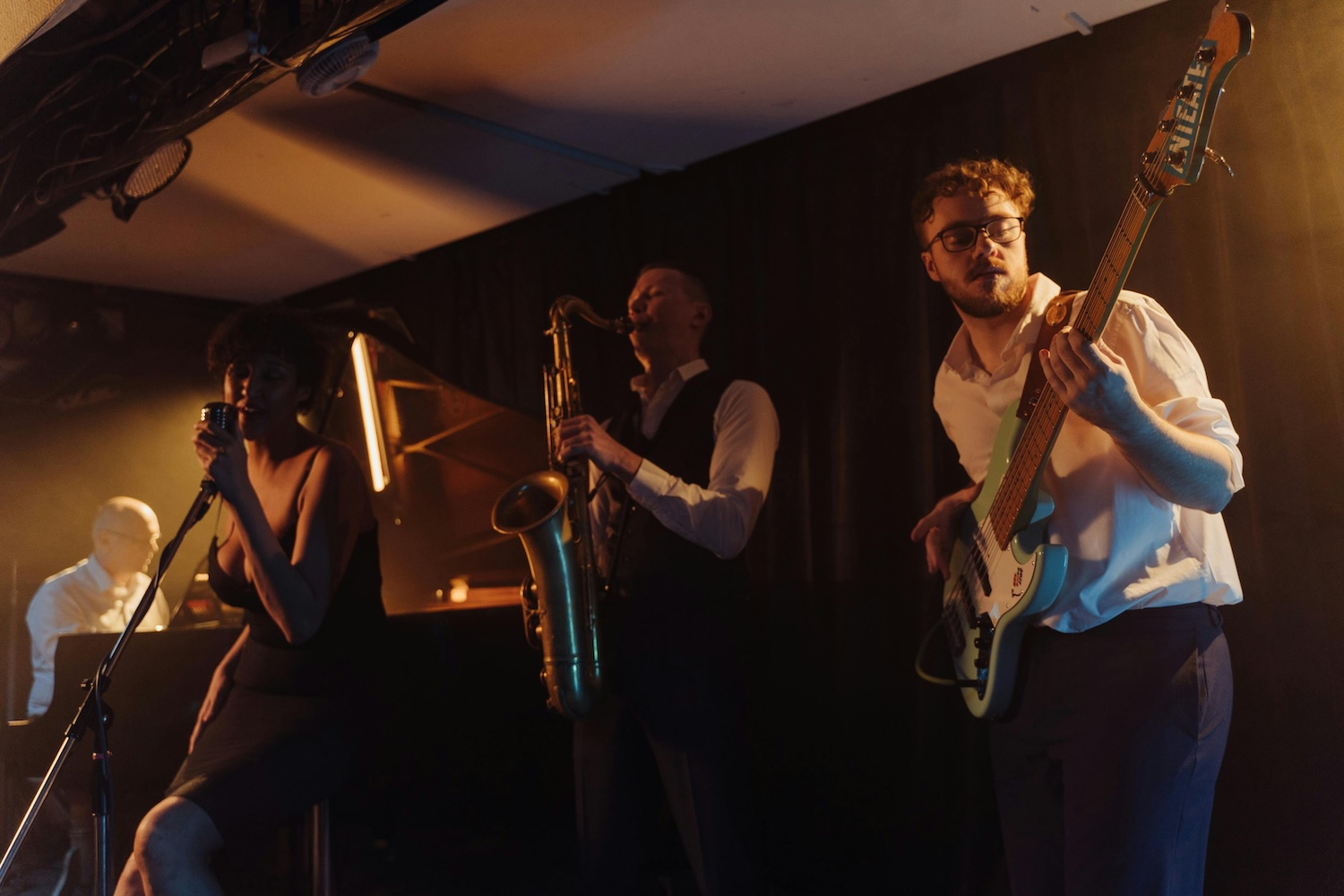
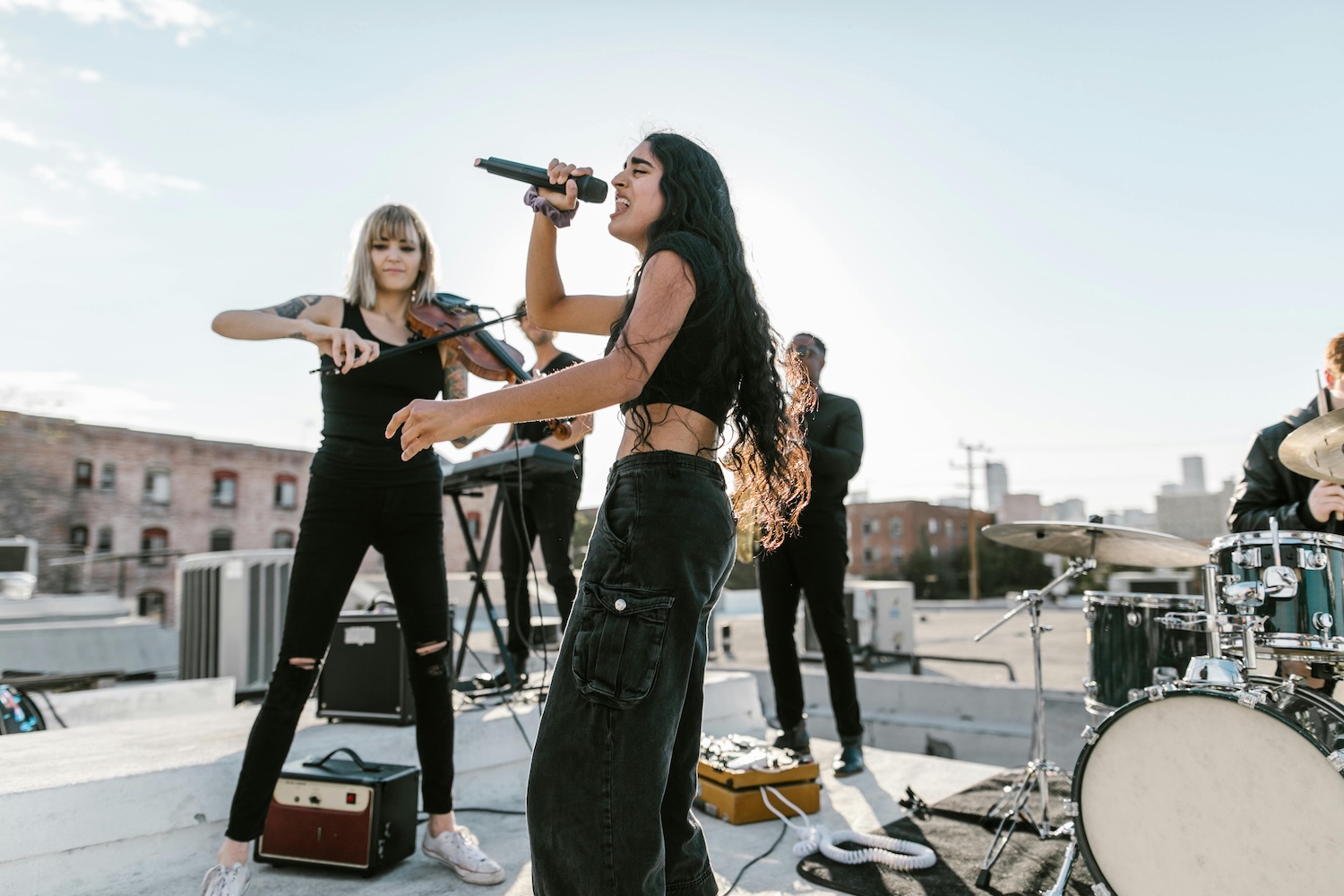
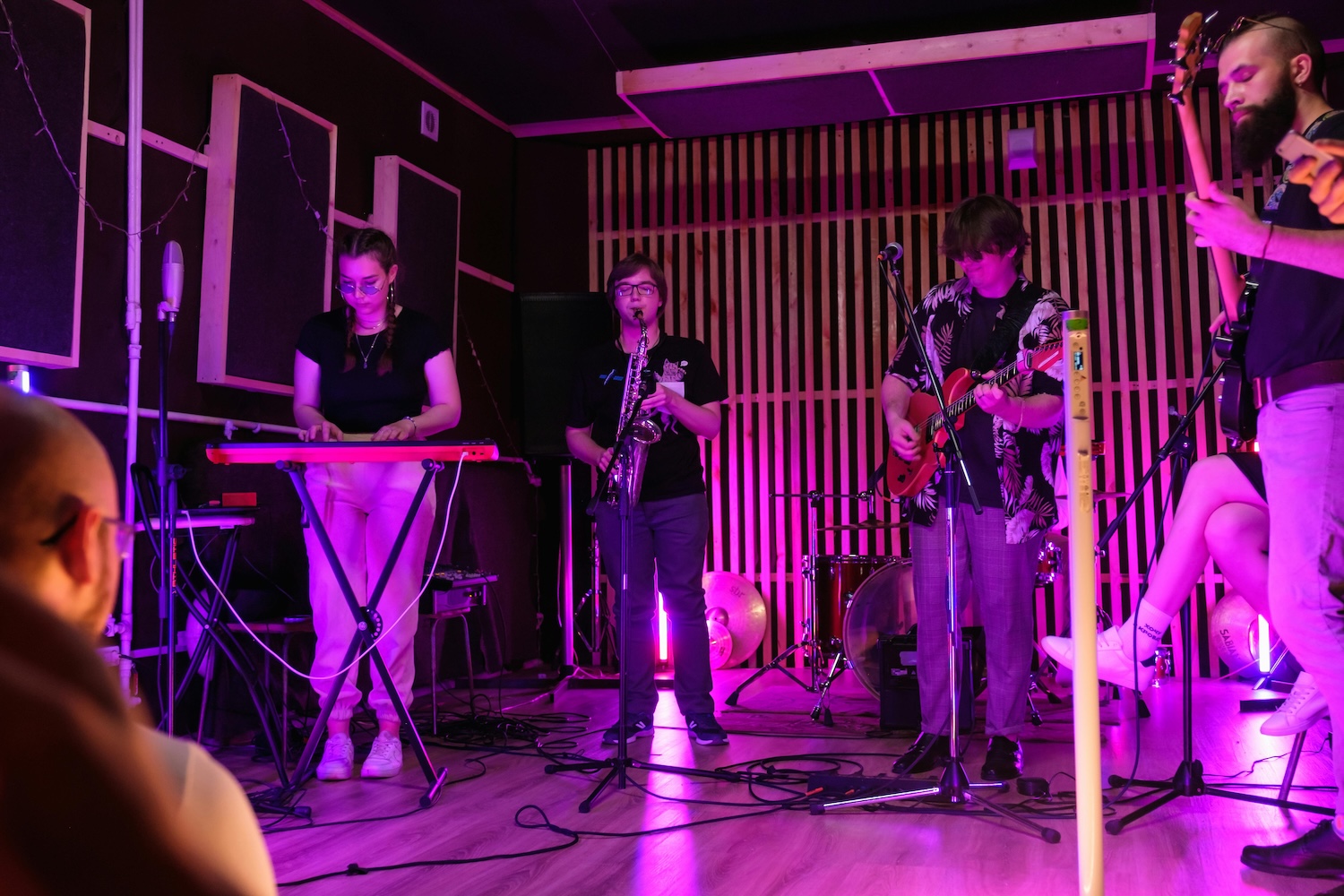
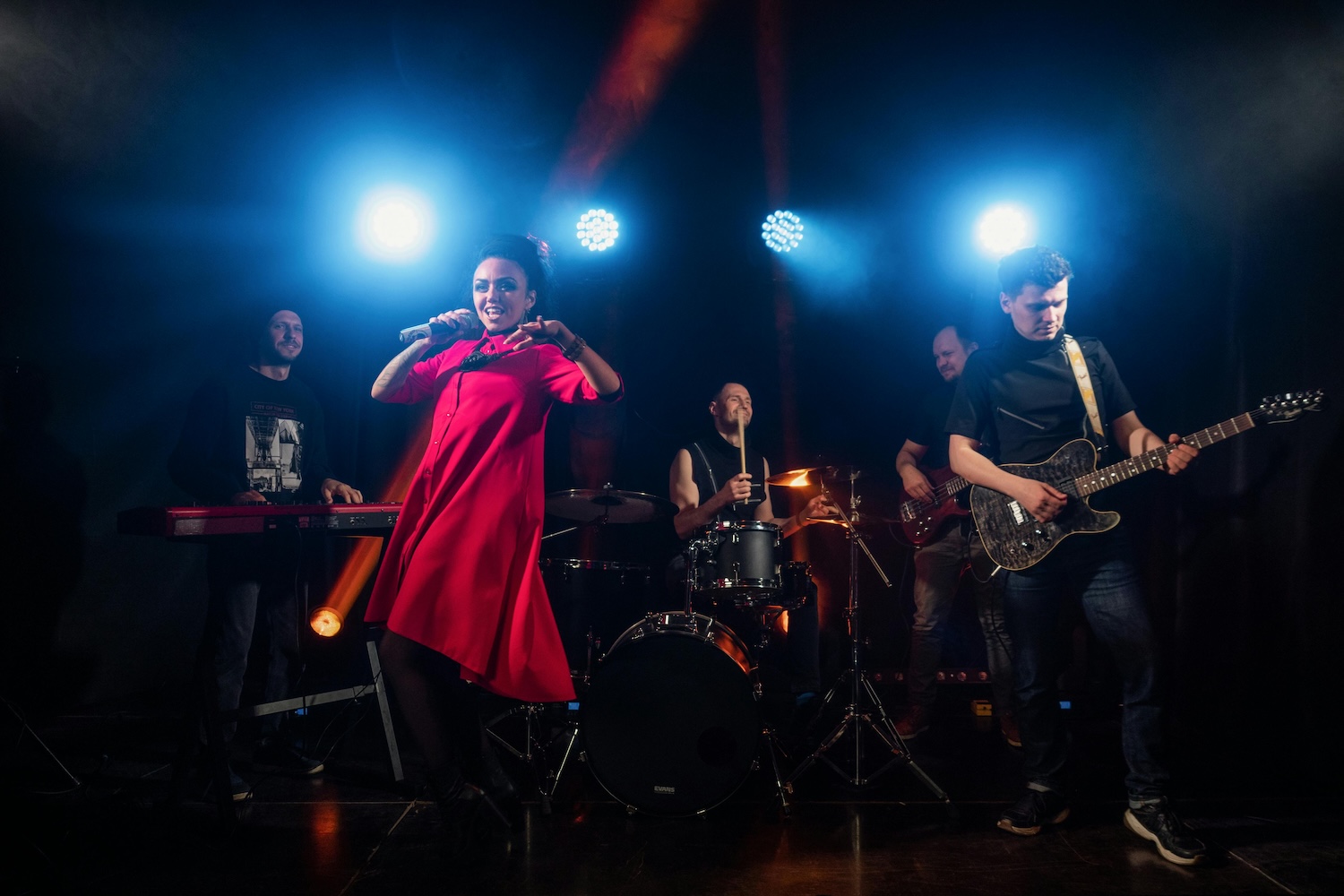
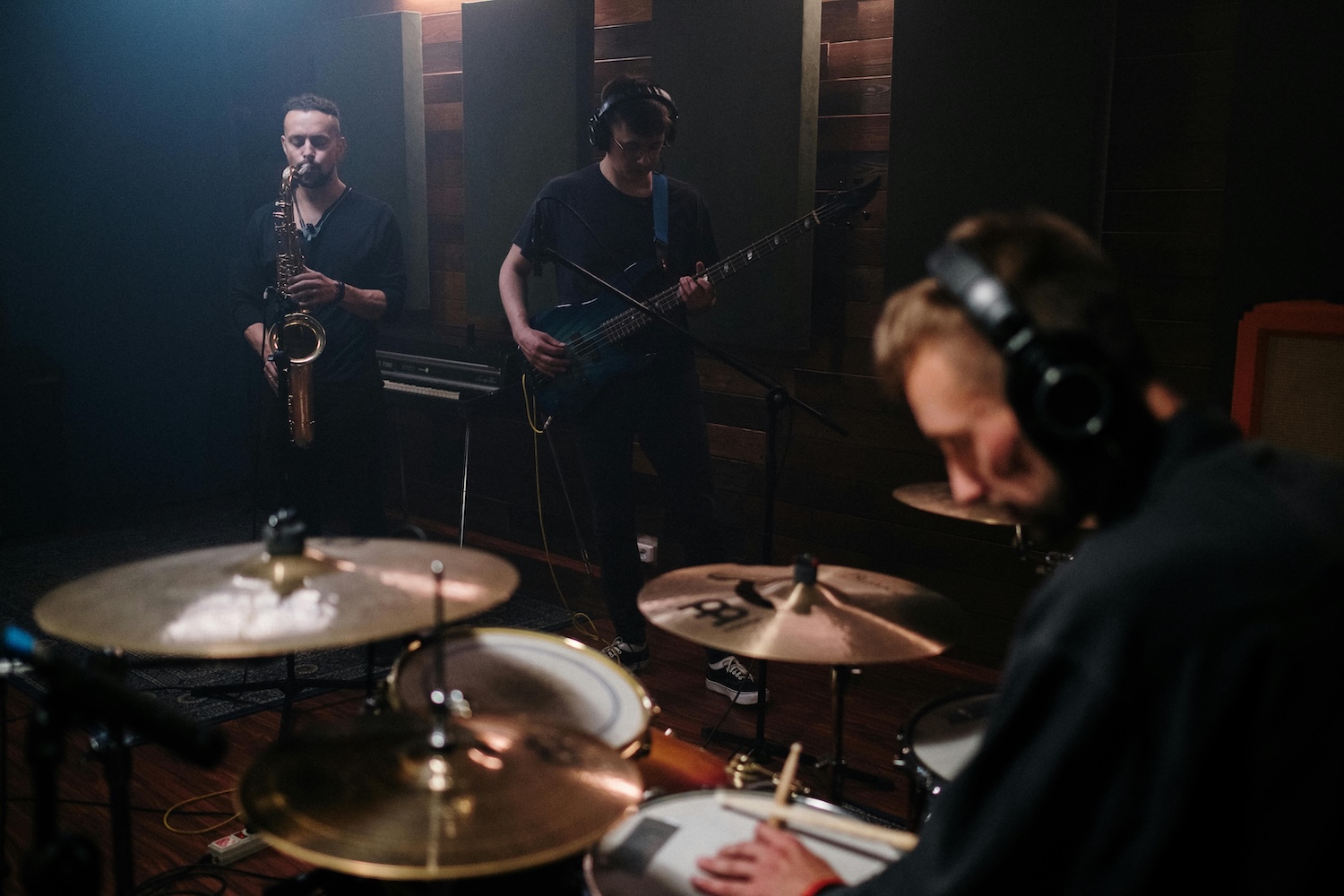
At its core, music is a team sport. Bands, orchestras, and ensembles only work when people listen to each other, adapt, and build a shared expression. Still, much of the music industry is structured as if musicians were individual athletes competing for attention, gigs, and visibility.
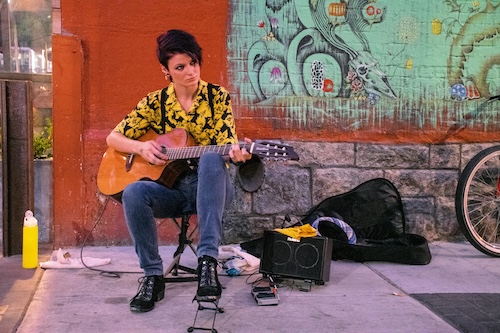
Profiles, booking systems, and social platforms often focus on the individual musician. This creates a reality where you constantly have to promote yourself, optimize your personal brand, and be ready to move on if something better appears. That pressure stands in sharp contrast to how music is actually made.
When collaboration meets individual incentives
Most musicians know that the best experiences come from playing together. Yet they are measured and rewarded as individuals. Likes, streams, and followers become currency, even when the music is clearly a collective effort. This creates a built-in tension between what a band needs and what the system rewards.
Conflict and burnout as side effects
When everyone is forced to prioritize themselves, collaborations become fragile. Small disagreements escalate because there are no shared structures or clearly defined roles. Many bands do not fall apart due to lack of talent, but because relationships wear down over time. Eventually, this leads to burnout, frustration, and a sense that making music is more about survival than joy.
Short-lived constellations without direction
When the focus is on the individual, bands often become temporary projects instead of long-term commitments. Musicians move on as soon as another opportunity seems more promising. That makes it difficult to develop a shared identity, a common sound, and a direction that extends beyond the next gig.
A system built for teams, not solo acts
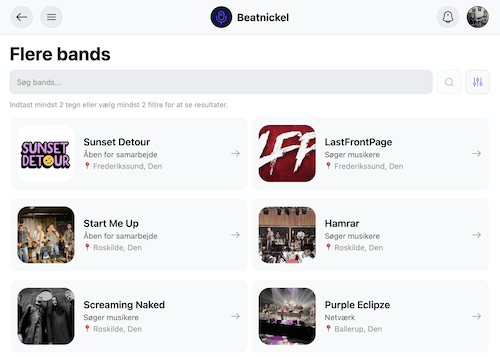
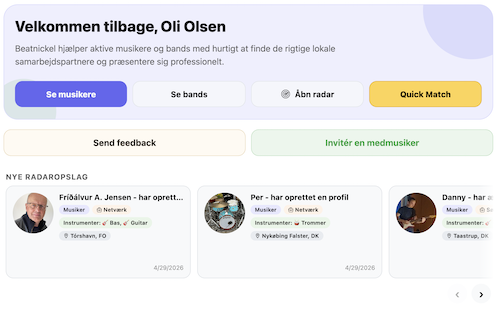
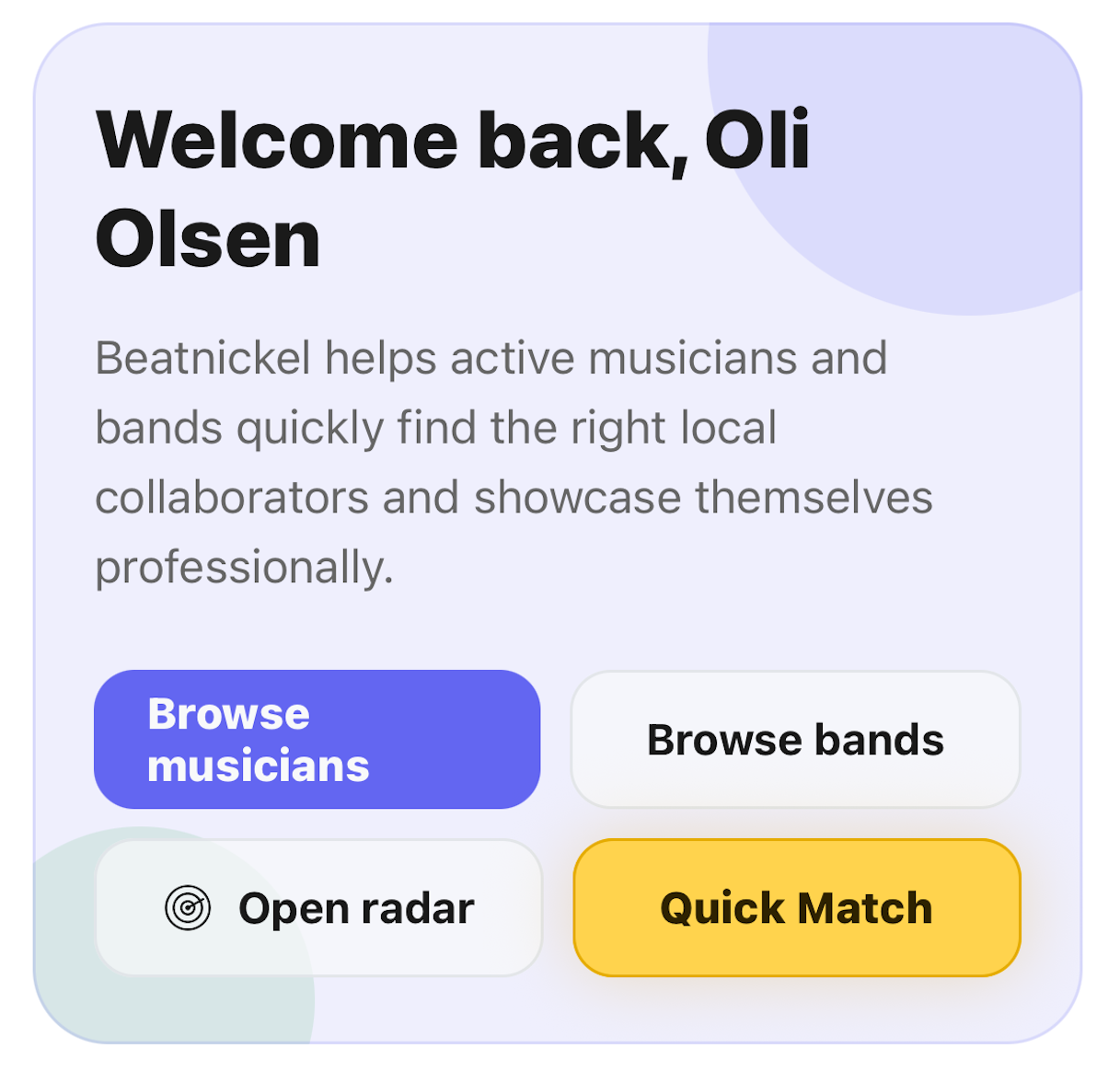
What is missing are structures that reflect the true nature of music. Beatnickel is designed with exactly that in mind. The platform supports bands and shared identities as something fundamental, not as an add-on to individual profiles. The focus is on relationships, collaboration, and local networks where people build something together over time.
Musicians live with a paradox. Music is created together, yet the system pushes them to think individually. This harms both people and the music itself. If the music ecosystem is to be sustainable, it needs tools and structures that take the team sport seriously. When collaboration is given room, both better music and stronger relationships can grow.
Other blogs




































Discover a platform built to connect musicians, simplify bookings, and fuel creative growth.
Find us on social networks


