
Soon available on


The Disappearing Middle: Too Big to Be New, Too Small to Be Established
Date:
29.3.2026
Author:
Oli Olsen
The Disappearing Middle: Too Big to Be New, Too Small to Be Established
There is a large group of musicians who fall between breakthrough and hobby. They are experienced, committed, and active, yet often invisible in an industry built around extremes. This group is both the most vulnerable and the backbone of the music ecosystem.
The music industry loves clear narratives. The debut artist, the breakthrough moment, the viral success. At the other end lies the hobbyist space, where expectations are low and music exists primarily for pleasure. Between these two poles sits a large and often overlooked group of musicians.
These are artists and bands who have been active for years. They have released music, played shows, built experience and often an audience. They are no longer new, but not yet established. And in that space, support structures tend to disappear.
This group is expected to operate professionally. Deliver quality. Be flexible. Be reliable. At the same time, real opportunities become scarcer. Funding schemes focus on either emerging talent or top tier acts. Venues prioritize safe bookings or unpaid newcomers. Media attention and algorithms reward either novelty or scale.
A Career in Permanent Transition
For many in the middle layer, a music career becomes a prolonged state of transition. They are no longer learning the basics, yet they do not have stable income or continuity. This creates uncertainty, both financially and mentally.
Music must often coexist with full time work, family responsibilities, and other obligations. Still, expectations remain high. Professionalism is assumed, while structural support is limited.
The Backbone Without a Safety Net
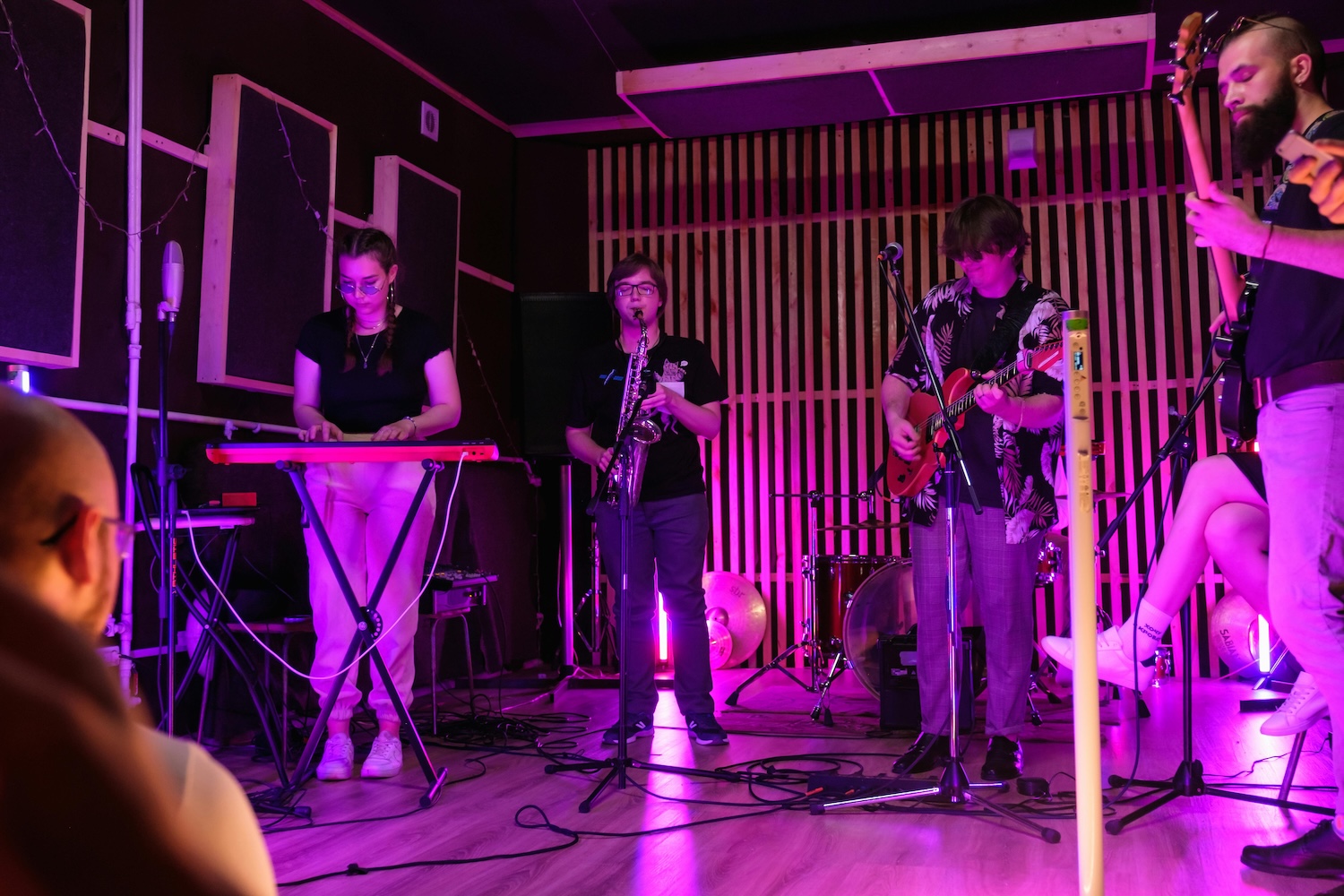
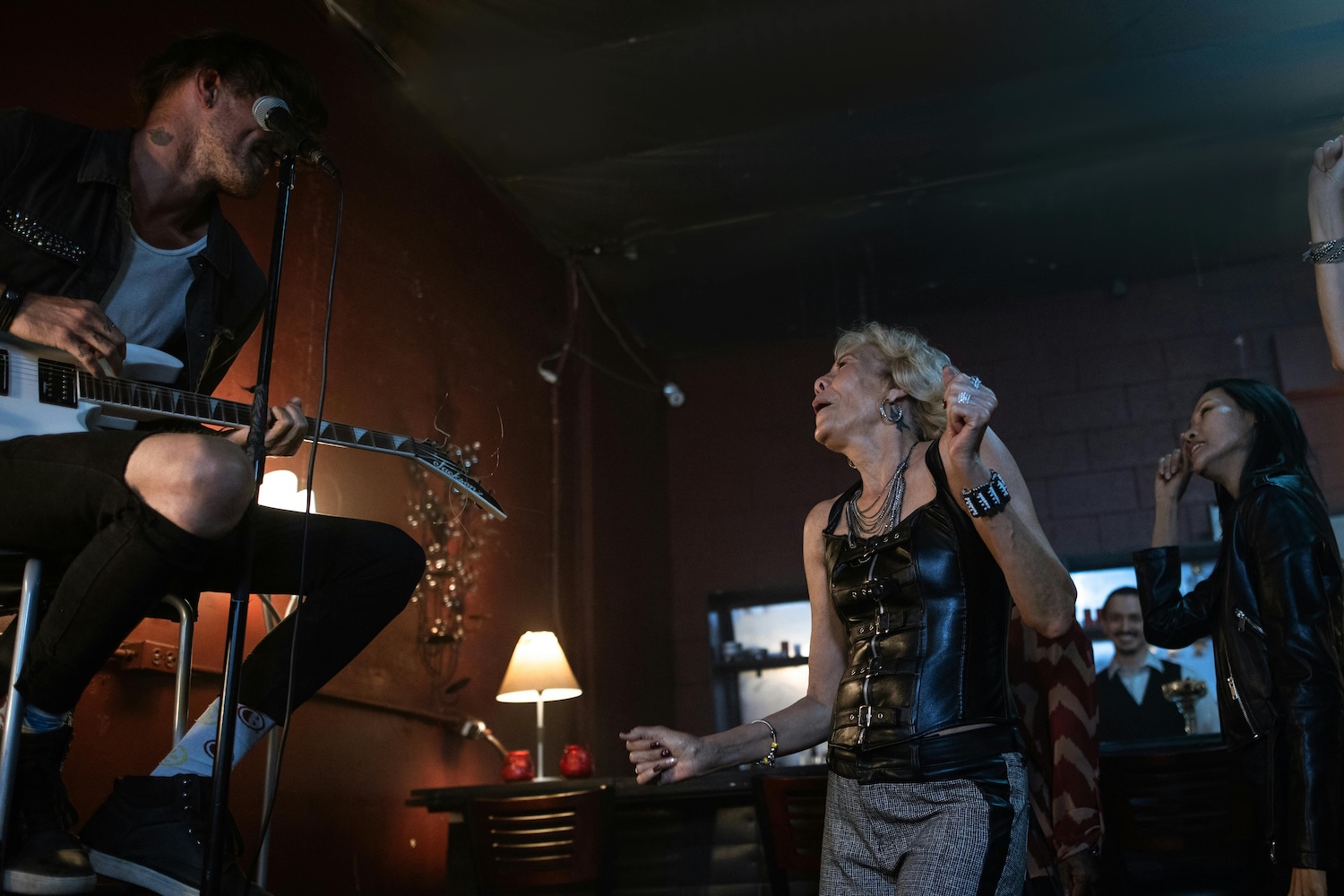
The paradox is that this middle layer keeps the local music scene alive. These musicians fill venues, start new projects, teach, substitute, organize events, and build communities outside the spotlight.
Without them, the ecosystem weakens. Fewer new artists emerge. Fewer audiences develop. Fewer local scenes survive. Yet this group rarely receives recognition or tailored support.
When Invisibility Becomes the Biggest Barrier
The core challenge is often not talent, but access. Access to the right people. Musicians, collaborators, venues, organizers who match level, ambition, and location.
When opportunities depend on informal networks and closed circles, many capable musicians are left behind. Not because they lack quality, but because they lack visibility within a structured system.
How beatnickel Can Help
Beatnickel is built with this middle layer in mind. It is designed for musicians who take their craft seriously, whether the breakthrough has already happened or is still ahead.
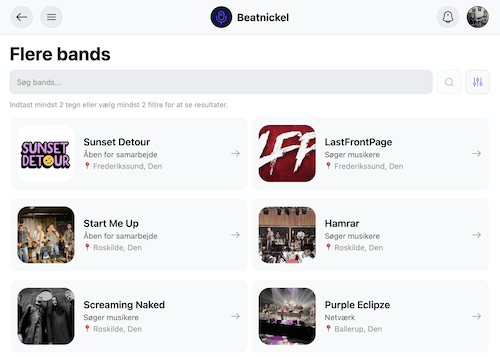
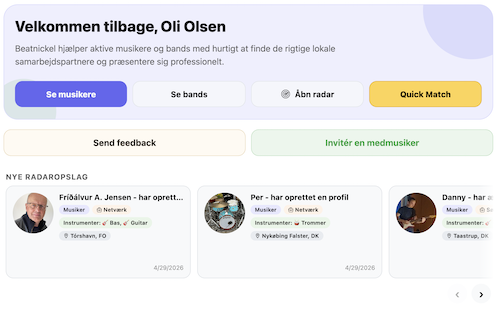
By focusing on structured matchmaking rather than noise, beatnickel highlights what actually matters. Experience, level, ambition, instruments, and local presence. This makes it easier to form the right collaborations without competing for attention in algorithm driven spaces.
Beatnickel also supports continuity. Not just through posts or listings, but by making musicians’ work and commitment visible over time. This helps restore a sense of progression and belonging in a layer that often feels stuck.
The middle layer is not a problem to fix. It is a resource to protect.
When musicians between hobby and breakthrough lose their footing, the entire music ecosystem suffers. A sustainable industry requires room for those who build, maintain, and grow music scenes day by day. Not only in success stories, but in the structures we choose to support. beatnickel is one attempt to make that space visible, accessible, and fair.
Other blogs



































































Discover a platform built to connect musicians, simplify bookings, and fuel creative growth.
Find us on social networks


