
Soon available on


When the Audience Gets Loud: Have We Forgotten How to Attend a Concert?
Date:
16.1.2026
Author:
Oli Olsen
When the Audience Gets Loud: Have We Forgotten How to Attend a Concert?
Talking, noise, and a lack of presence have become part of the modern concert experience. But what does this mean for the music, for the artists, and for the shared moment in the room? And when did concerts become something that happens in the background of our own conversations?
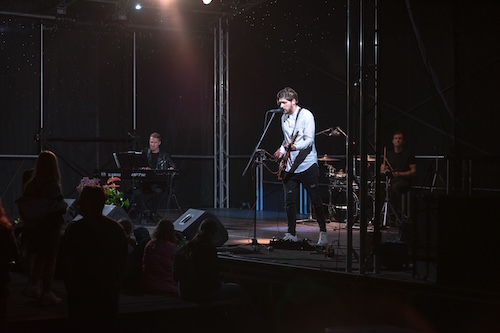
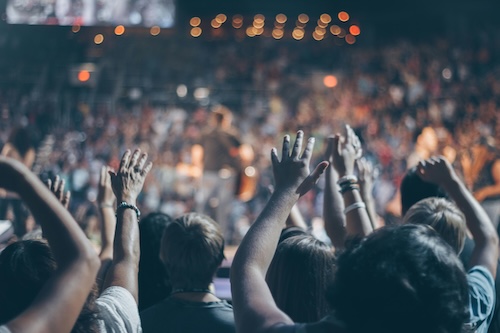
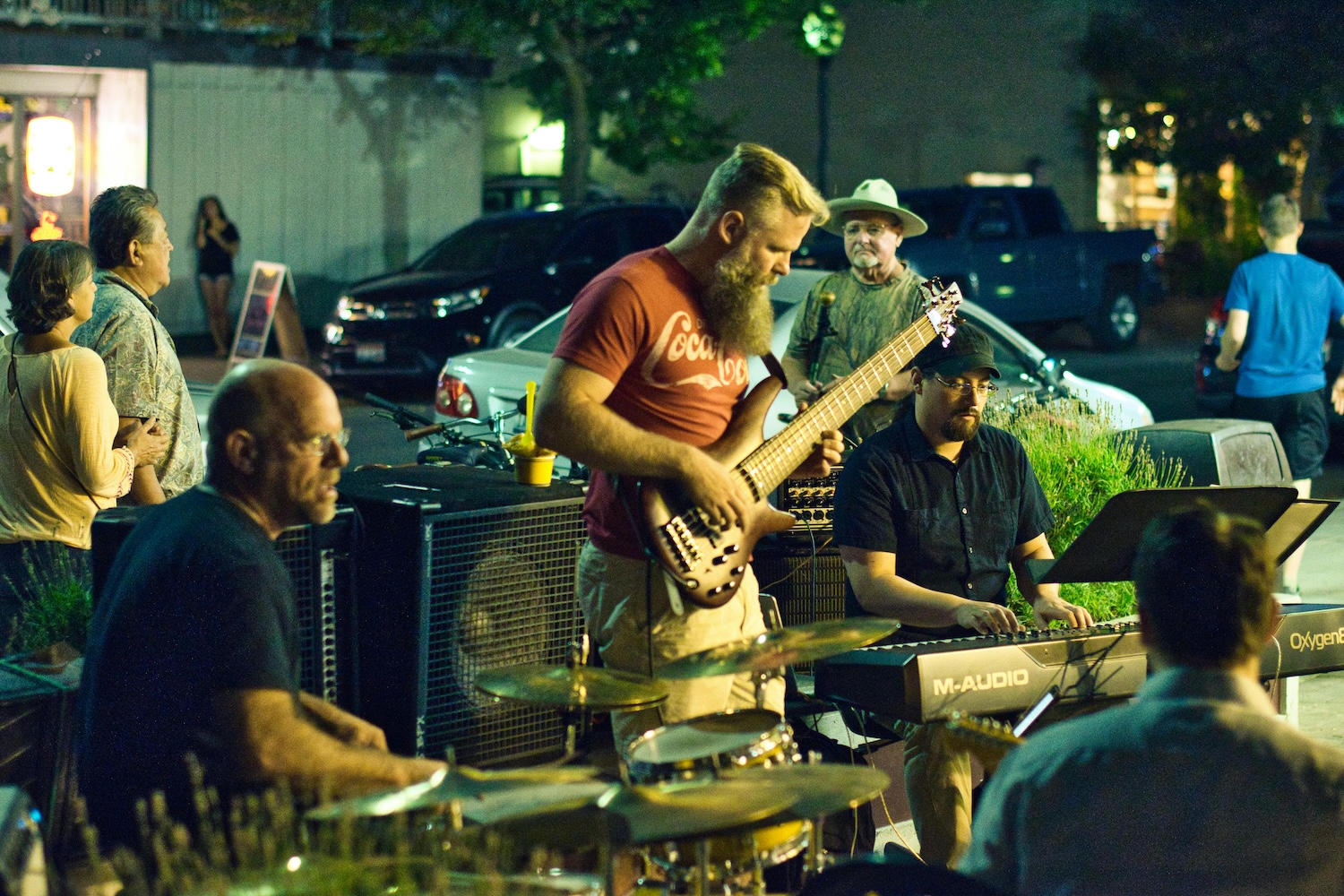
There was a time when the silence before the first note was part of the concert itself. A collective pause. A shared breath between audience and musicians. Today, many artists experience something very different. A constant murmur of conversation. Clinking glasses. Phones lighting up. An audience physically present, but mentally elsewhere.
This is not a new phenomenon, but it has become more widespread. Concerts are increasingly treated as social spaces where music functions as atmosphere rather than focus. This shift fundamentally changes the experience, both for those who listen and for those on stage.
The concert as background noise
When audiences talk during concerts, it is rarely out of disrespect. More often, it reflects habit. We are used to music being everywhere. In cafés. In shops. In our headphones. Music is constant, and therefore it no longer demands our full attention.
But live music is different. It exists only in the moment. It is fragile. It depends on presence. When conversations drown out quiet passages, or laughter breaks concentration, something essential is lost. Not just for the musician, but for everyone in the room.
The musician’s perspective
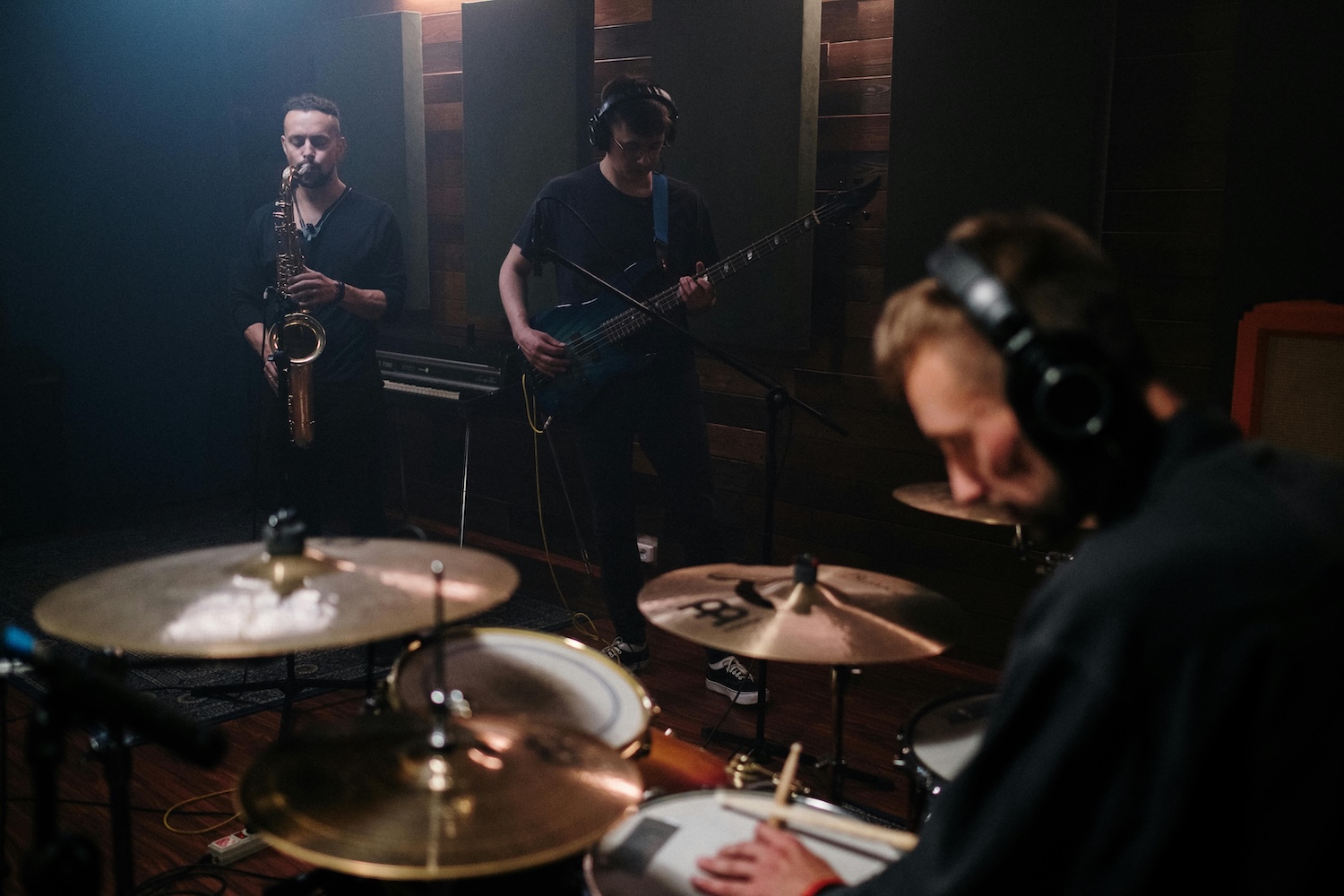
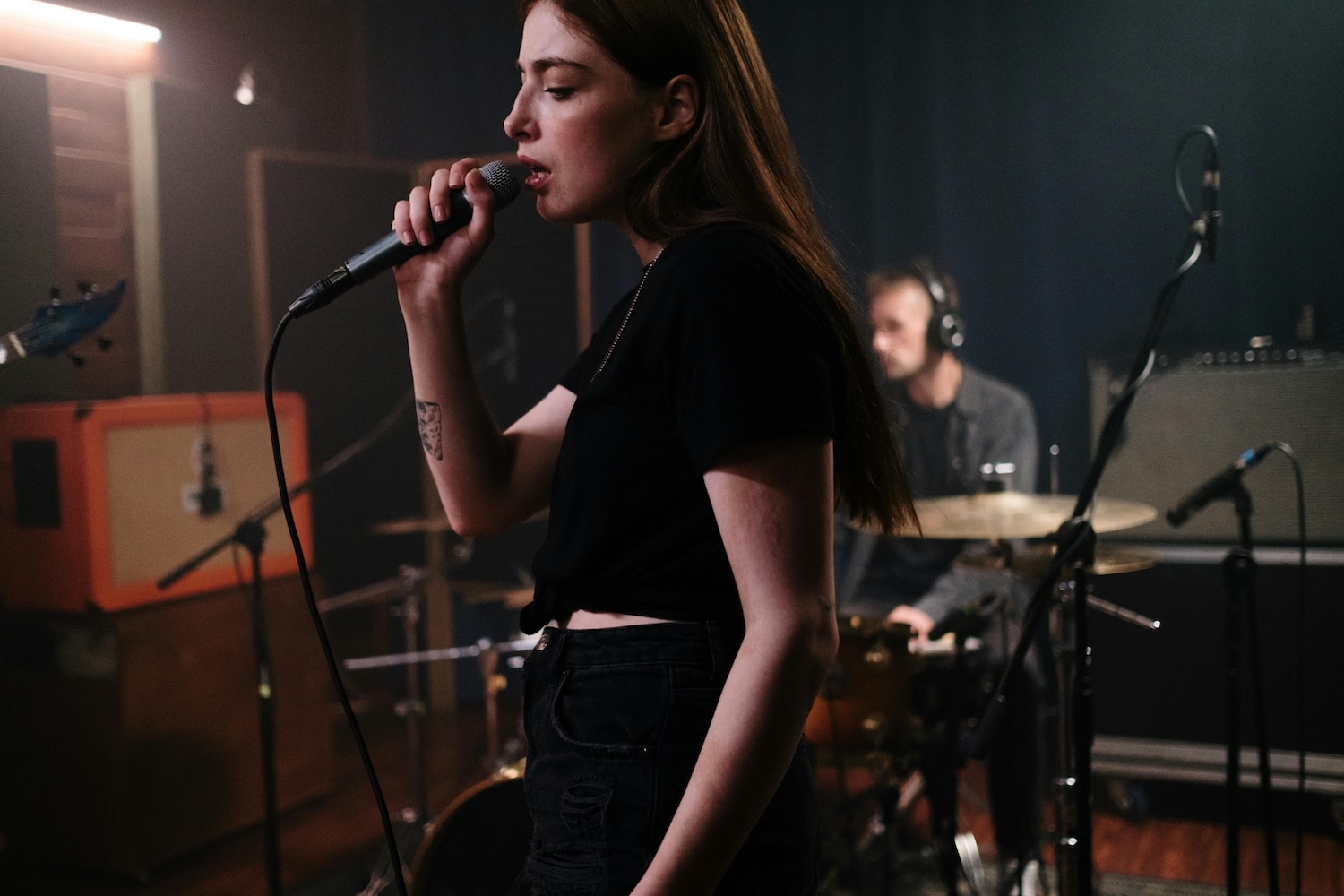
For musicians, noise from the audience is not just an annoyance. It is a working condition that affects both quality and motivation. Standing on stage and feeling that your work is competing with conversations can feel deeply discouraging. Not only as a lack of respect for the music, but for the craft and preparation behind it.
Many musicians describe how they play more cautiously, more superficially, or more mechanically when they feel unheard. Risk disappears. Intimacy disappears. And with it, the unique magic that only live music can create.
Audience responsibility and shared culture
Attending a concert is not just about buying a ticket. It is about entering a shared space with unwritten rules. Just as voices are lowered in a theatre, there is an ethic to the concert hall as well. It may have become blurred, but it has not disappeared.
The audience carries responsibility for the experience. For each other. For the artists. For the room itself. When some choose to talk, it affects not only their own experience, but everyone else’s. Collective concentration is fragile, and once broken, it cannot simply be restored.
What do we lose when we stop listening?
When presence disappears, we lose more than musical details. We lose connection. The feeling of being part of something larger. A shared experience that cannot be paused, replayed, or repeated.
Concerts have the potential to be one of the few places where we are truly present together. Where time and attention align. When noise takes over, concerts become just another social gathering with a soundtrack. That is a loss, culturally and humanly.
The question is not whether audiences are allowed to enjoy themselves at concerts. The question is whether we have forgotten why we are there. Live music asks something of us. Attention. Respect. Presence.
If we want stronger concert experiences, happier musicians, and more meaningful musical communities, we must rediscover the art of listening. Not only with our ears, but with our full presence.
Other blogs




















































Discover a platform built to connect musicians, simplify bookings, and fuel creative growth.
Find us on social networks


