
Soon available on


When Adults Find Music Again
Date:
20.12.2025
Author:
Oli Olsen
When Adults Find Music Again
For many adults, music returns after a long pause. When children grow older and careers settle, the urge to play comes back. But the road back is rarely simple. It is about time, confidence, and finding the right people at the same stage of life.
Body text
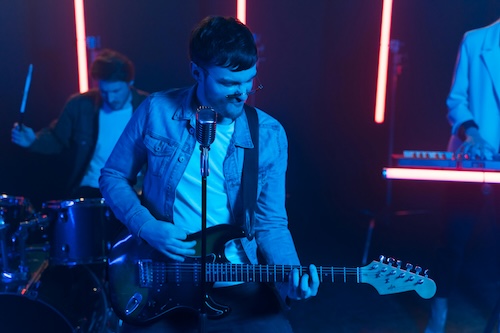
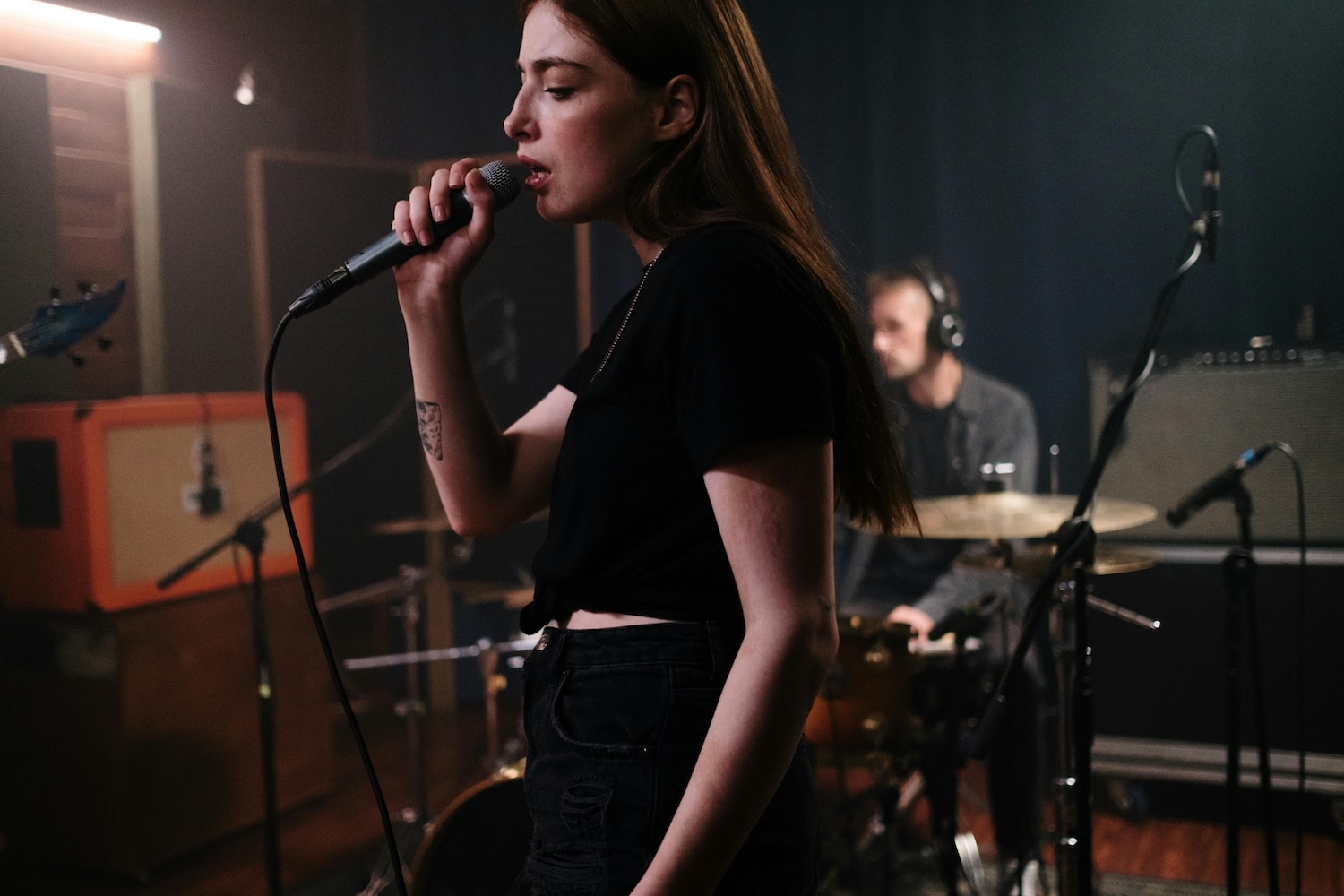
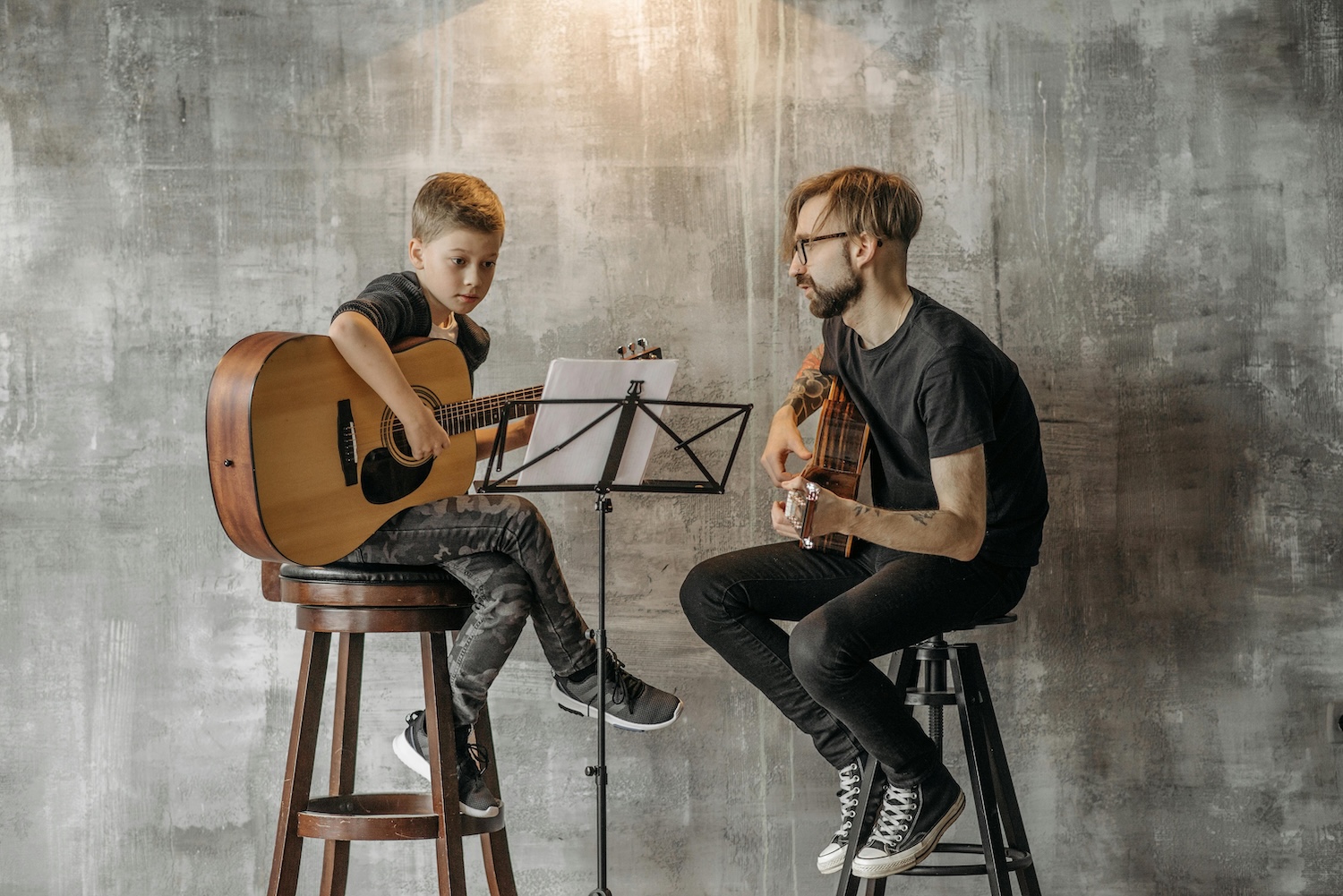
There is a particular moment in many adults’ lives when music suddenly calls again. It might be when the guitar is taken down from the attic, when the drum kit is set up once more, or when the voice slowly warms up after years of silence. For some it happens in their forties, for others in their fifties or later. What they share is the feeling that something important is missing.
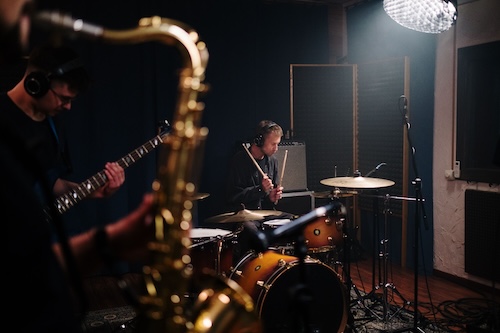
Many adults played music when they were younger. They spent time in rehearsal rooms, played shows, and carried dreams that were later put on hold. Family, career, and responsibility took over, and music was pushed into the background. Not because the desire disappeared, but because life demanded something else.
When time finally returns
When the desire comes back, the comeback musician quickly meets reality. Time is still limited, just in a different way. Calendars are full, energy must be divided, and spontaneity is no longer a given. Music projects now have to fit into adult life, not the other way around.
At the same time, confidence can be fragile. Many ask themselves if they are still good enough. Fingers feel rusty, the voice unfamiliar, and comparisons with the past can be tough. Stepping back into music takes courage, especially when you no longer feel like the fearless young musician you once were.
Finding others at the same level
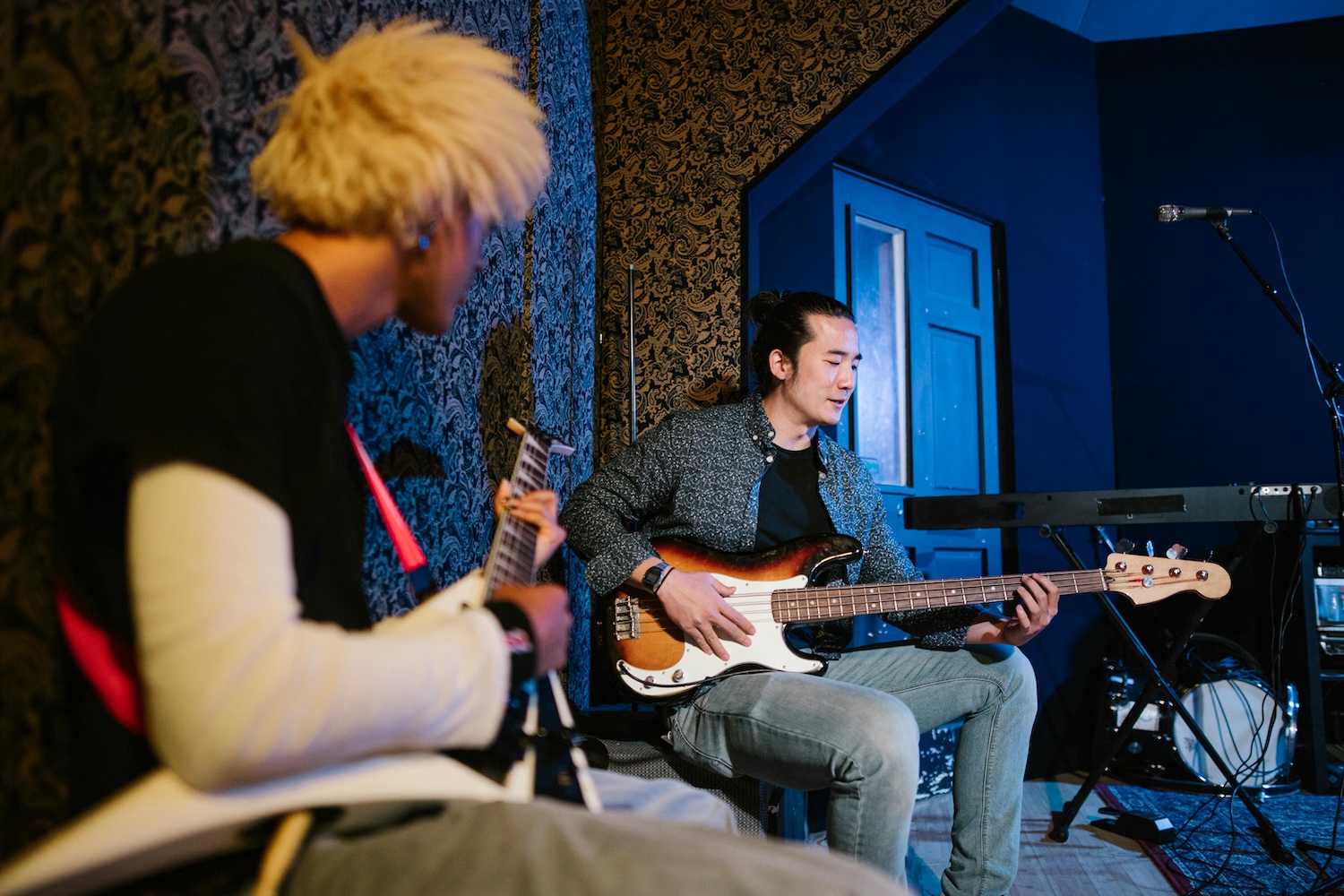
One of the biggest challenges for adult musicians is finding others in the same place in life. Often you meet very ambitious younger players with endless time, or people who play casually with no clear direction. Both can feel like a mismatch.
Many adults have a clear wish. They want to play seriously, but without sacrificing family life or job stability. They want to grow, perform, and have something to work towards, but on realistic terms. That requires bandmates who understand the balance.
Music as identity and quality of life
For comeback musicians, it is rarely about fame. It is about identity. Music is part of who they are, and when it disappears, a gap appears. Playing again brings energy, community, and the feeling of being more than just a parent or an employee.
Experience and research alike show that music in adult life strengthens mental well being, reduces stress, and creates strong social bonds. This is not nostalgia. It is an active investment in quality of life.
Beatnickel as a restart
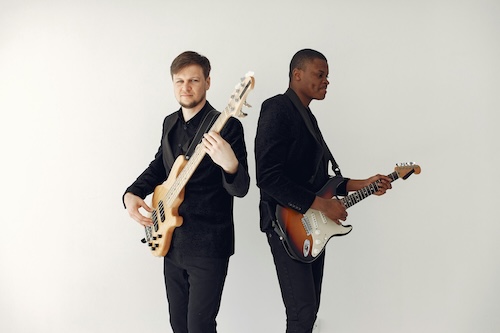
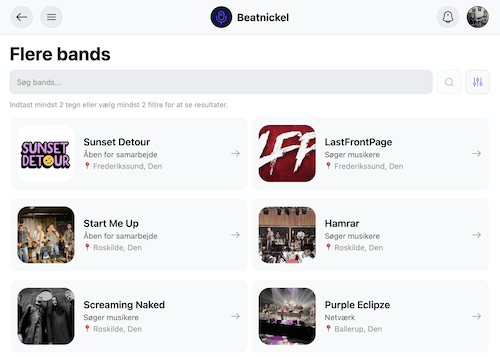
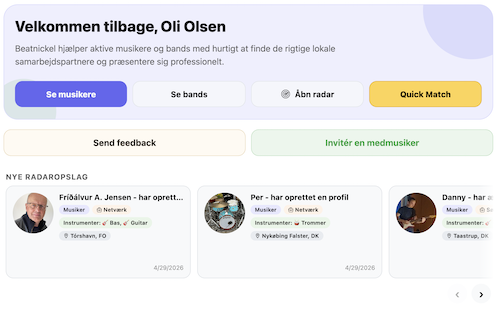
Beatnickel is built with this life phase in mind. The platform helps adult musicians find each other based on level, ambition, and life situation. It is not about being the loudest or fastest, but about finding the right match.
By making expectations clear from the start, it becomes easier to create bands and projects that last. Projects where everyone understands the time commitment, the goals, and the reason for playing together.
When adults find music again, it is not a step backwards, but a step forward. Comeback musicians play with experience, perspective, and a strong sense of purpose. The challenges are real, but so is the potential.
With the right framework and the right people, music can once again become a living part of everyday life. Beatnickel helps adult musicians find each other and create new chapters in their musical journey. Not as they were then, but as they are now.
Other blogs





















































Discover a platform built to connect musicians, simplify bookings, and fuel creative growth.
Find us on social networks


