
Soon available on


The New Role of the Music School in the Local Music Scene
Date:
19.12.2025
Author:
Oli Olsen
The New Role of the Music School in the Local Music Scene
Music schools today play a much bigger role than simply teaching instruments and theory. They are evolving into central meeting points where talent, community and the local music scene connect and grow together.
For many years, the primary purpose of the music school was teaching. Students arrived for their lesson and went home again. But the reality of music has changed. Music is created in communities, developed in bands and comes alive on stages, in rehearsal rooms and through interaction with an audience. As a result, the role of the music school is changing.
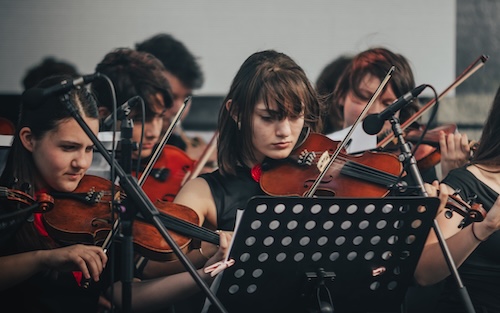
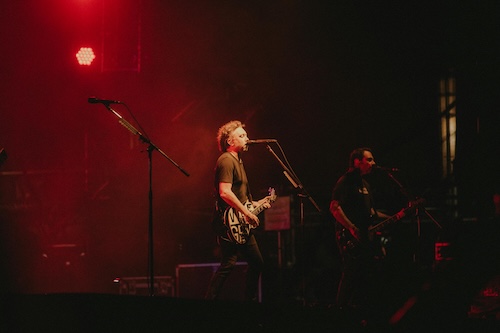
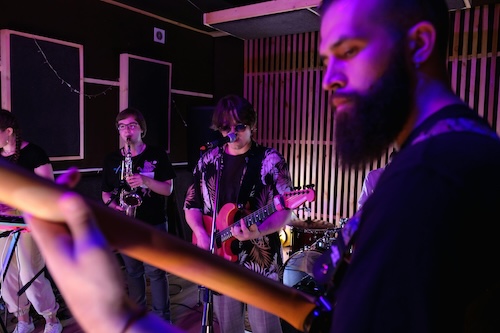
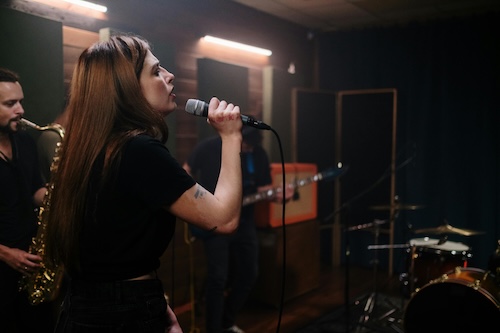
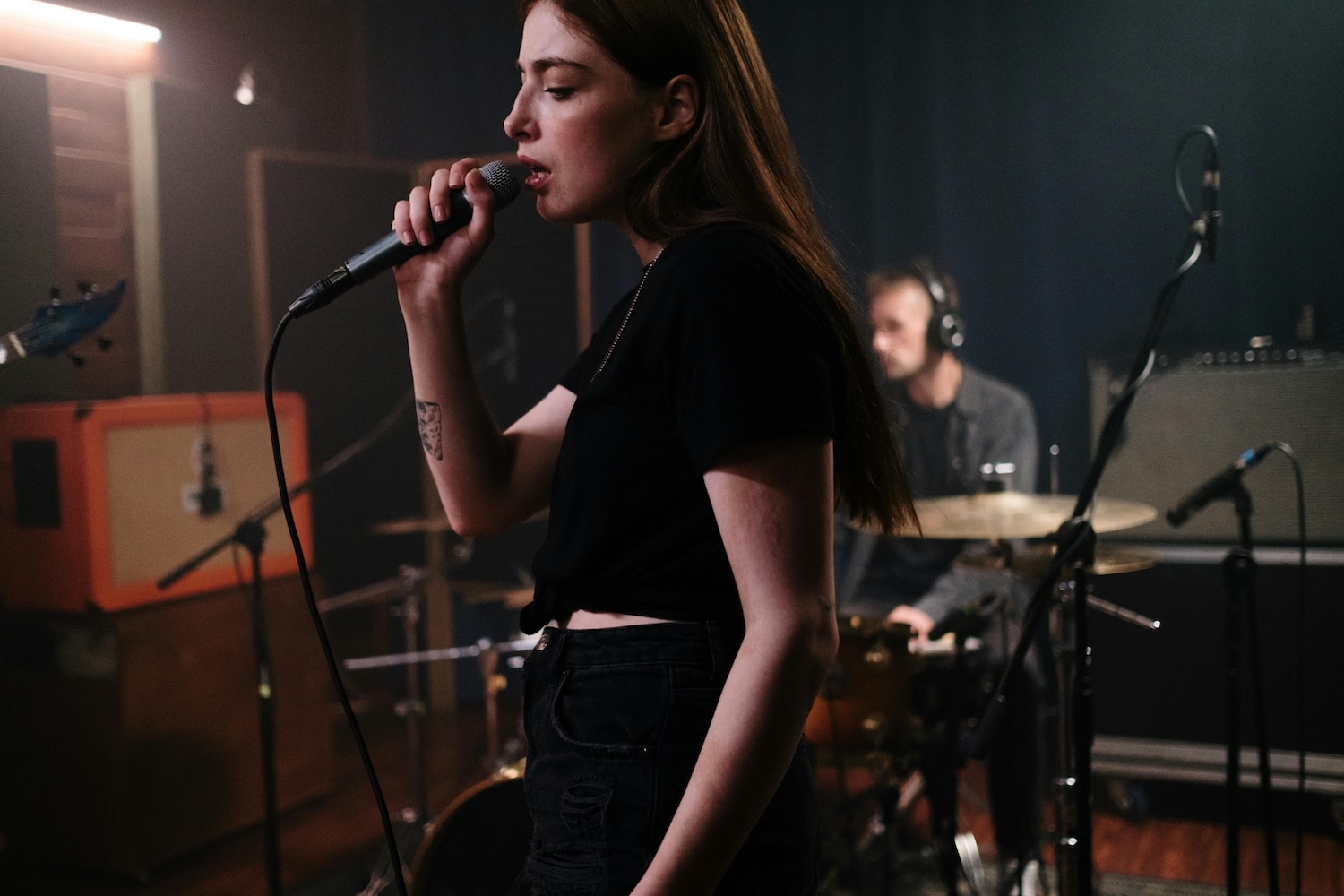
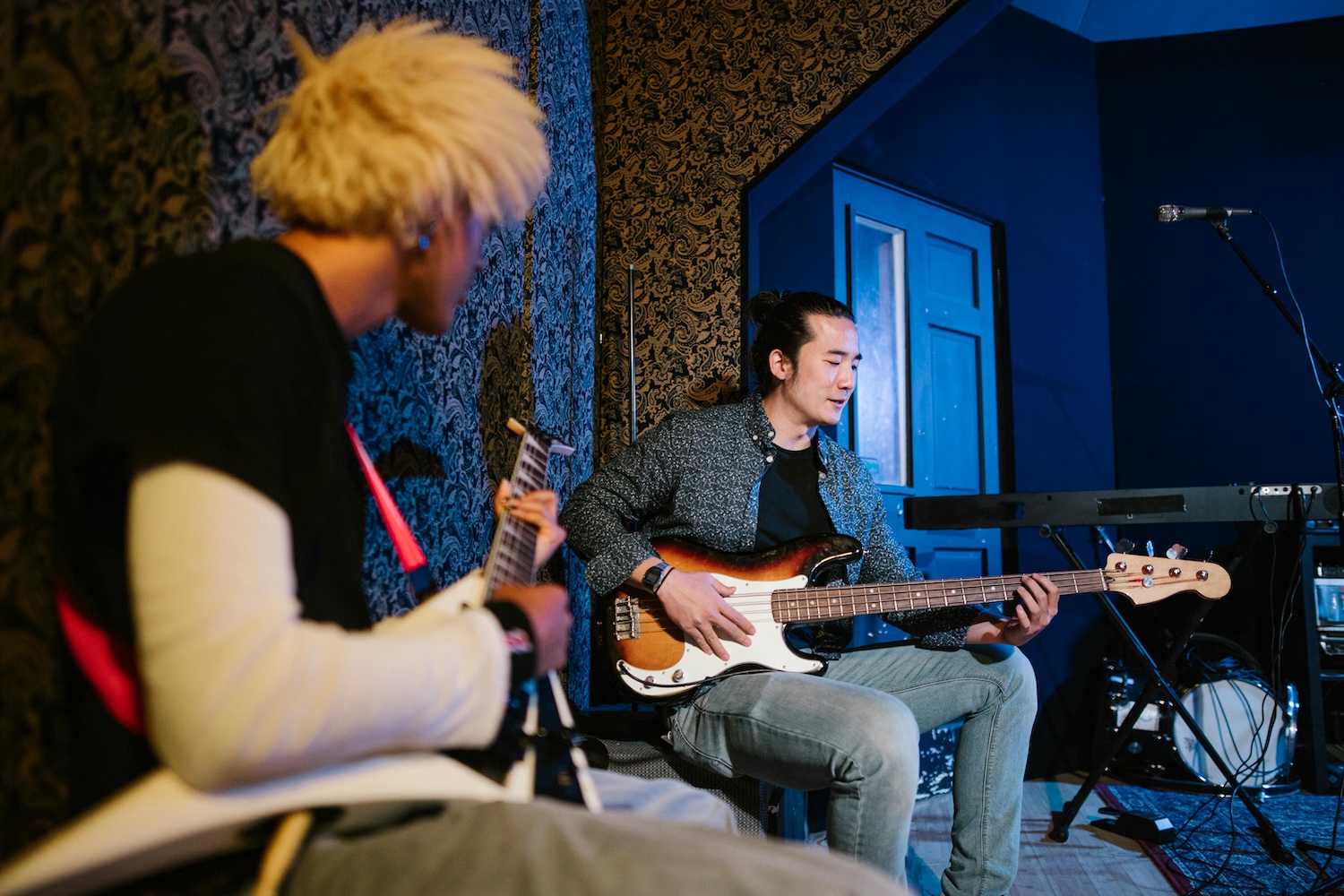
Many music schools are already working actively with ensemble playing, projects, concerts and collaborations beyond their own walls. They function as talent developers, cultural hubs and bridges between young musicians and the wider music ecosystem. The music school becomes a place where students do not just learn to play, but also learn how to be part of real musical communities.
Music schools as cultural hubs
When music schools open up to their local environment, they can become natural gathering points for music in their municipality. Students meet other young musicians, local bands, teachers and professional actors. This strengthens both motivation and understanding of how music works outside the classroom.
From student to active musician
The transition from music student to active musician can be difficult. Many young people do not know where to find a band, a rehearsal space or a stage to perform on. Here, music schools can play a crucial role by connecting students with local bands, venues and music communities, giving them concrete opportunities to use their skills in real life.
Collaboration fuels local music growth
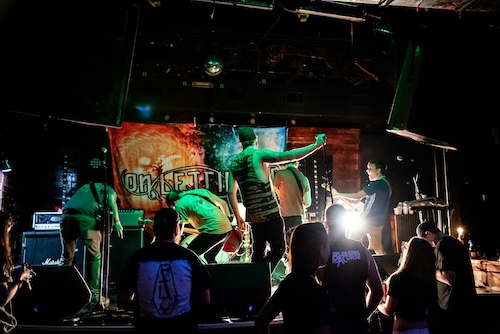
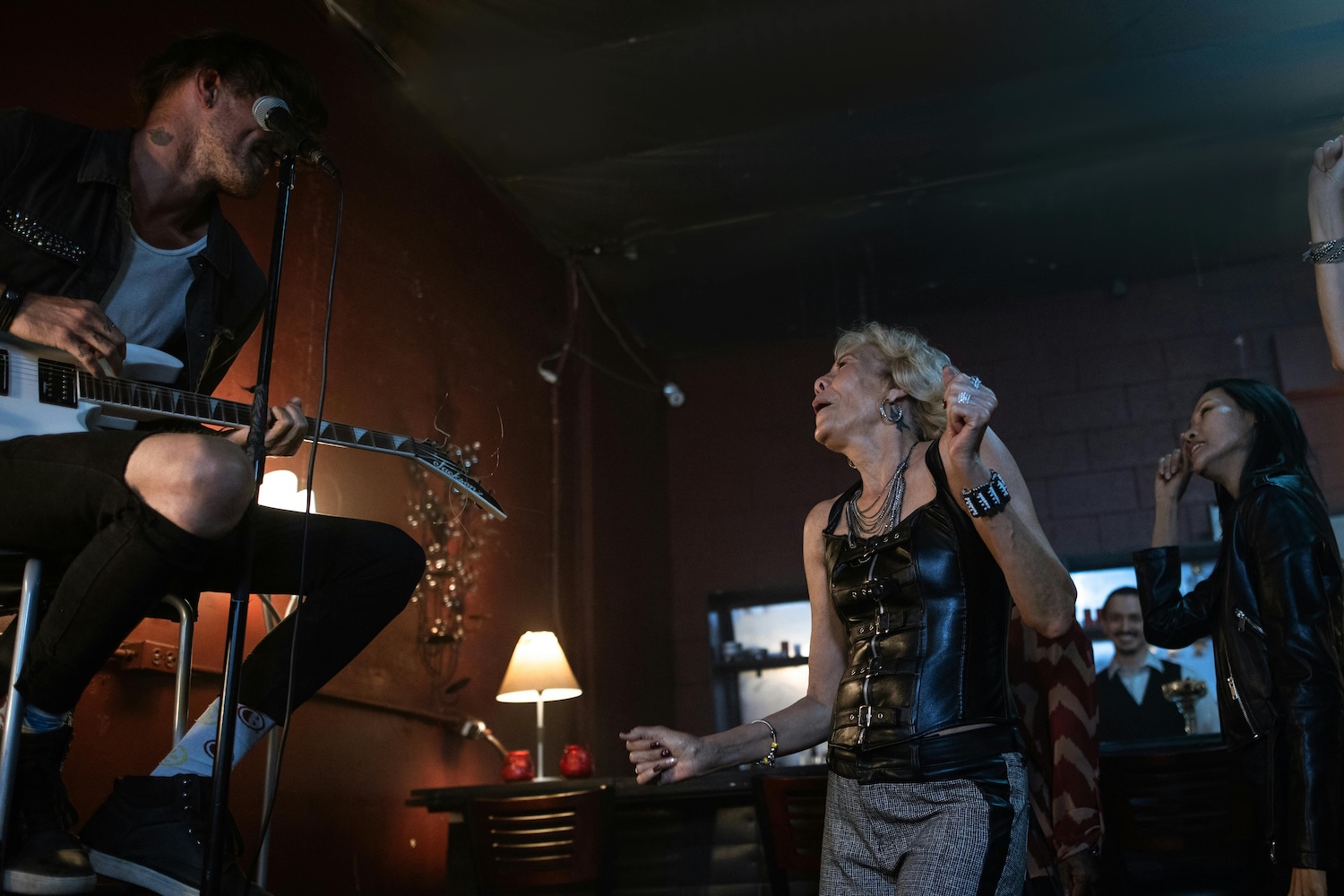
When music schools collaborate with local venues, associations and bands, a stronger local music ecosystem emerges. Students gain access to stages and networks, venues discover new talent and communities benefit from a more vibrant cultural life. The music school becomes a driver of local music growth and cultural cohesion.
Beatnickel as a connecting layer
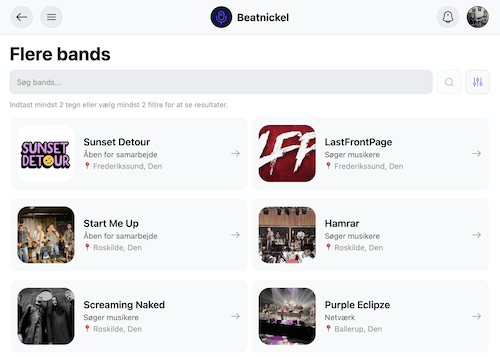
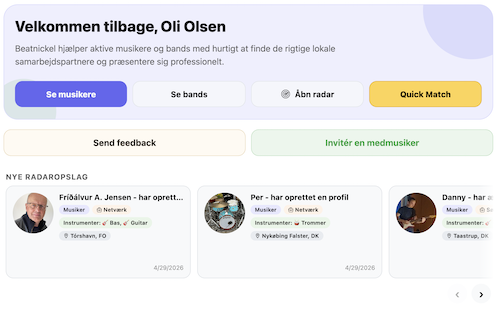
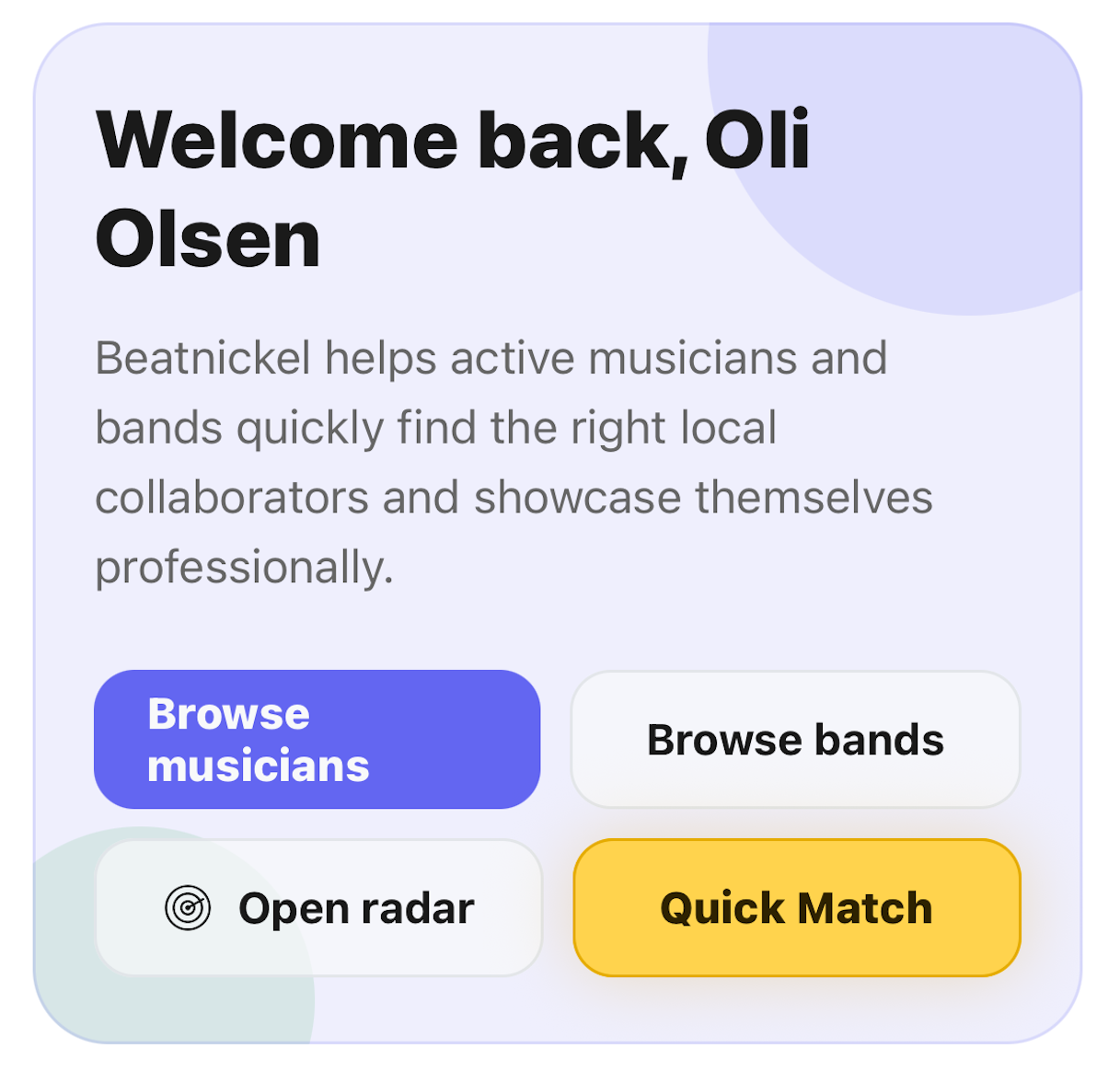
Beatnickel aims to support this development by connecting music schools with the surrounding music scene. Through digital profiles, networks and visibility, students, bands, teachers and venues can find each other more easily. Music schools gain a clearer overview of local music communities and can help students take the next step.
The music school is no longer just a place for lessons. It is becoming a central node in the local music ecosystem, where learning, community and practice meet. By building bridges between students, bands and venues, music schools can strengthen both talent development and local culture. Beatnickel wants to provide the tools that make these connections stronger and more accessible, helping music schools play an even greater role in the future of local music.
Other blogs

































Discover a platform built to connect musicians, simplify bookings, and fuel creative growth.
Find us on social networks


