
Soon available on


From Talent to Traffic Jam: When Too Many Play the Same Game
Date:
21.1.2026
Author:
Oli Olsen
From Talent to Traffic Jam: When Too Many Play the Same Game
There have never been more skilled and well educated musicians than today. Yet for many, real opportunities feel increasingly scarce. Not because quality is lacking, but because too many are competing within the same narrow formats and roles.
Music education has produced highly capable instrumentalists, singers and producers for decades. The overall level is high, and access to knowledge, tools and inspiration has never been greater. Still, many musicians find themselves stuck in a reality marked by intense competition, financial insecurity and a constant feeling of running uphill.
The paradox is obvious. The better everyone gets, the harder it becomes to stand out. Not because musicians lack originality or ambition, but because most are aiming for the same limited set of positions. The same types of bands. The same stages. The same genres. The same career narratives.
The result is a kind of traffic jam in the music ecosystem. Everything slows down, even for those with something meaningful to offer.
When Everyone Follows the Same Template
From early on, many musicians are taught what success is supposed to look like. A clearly defined band. Fixed roles. A recognizable sound. A strong visual identity. A focused streaming strategy. A constant chase for the same venues, grants and attention channels.
The problem arises when everyone is judged by the same standards. If you do not fit the template, you quickly become invisible. Not because you are irrelevant, but because the system struggles to recognize you.
This creates an environment where diversity is reduced and where musicians end up competing directly with one another, even when their skills and ambitions could complement each other.
There Are More Roles Than We Talk About
The music world consists of far more than front figures and headline acts. There are composers, arrangers, session musicians, educators, producers, technicians, community builders and hybrid roles that do not fit neatly into traditional categories.
Many of these paths are real and sustainable. Yet they are rarely made visible. They lack language, platforms and structures that present them as legitimate choices rather than compromises.
When musicians are only shown one definition of success, everything else starts to feel like failure, even when it might be the right niche.
Local Communities as a Counterbalance
Much of the traffic jam exists because everyone is orienting toward the same central hubs. The same cities. The same networks. The same opportunities.
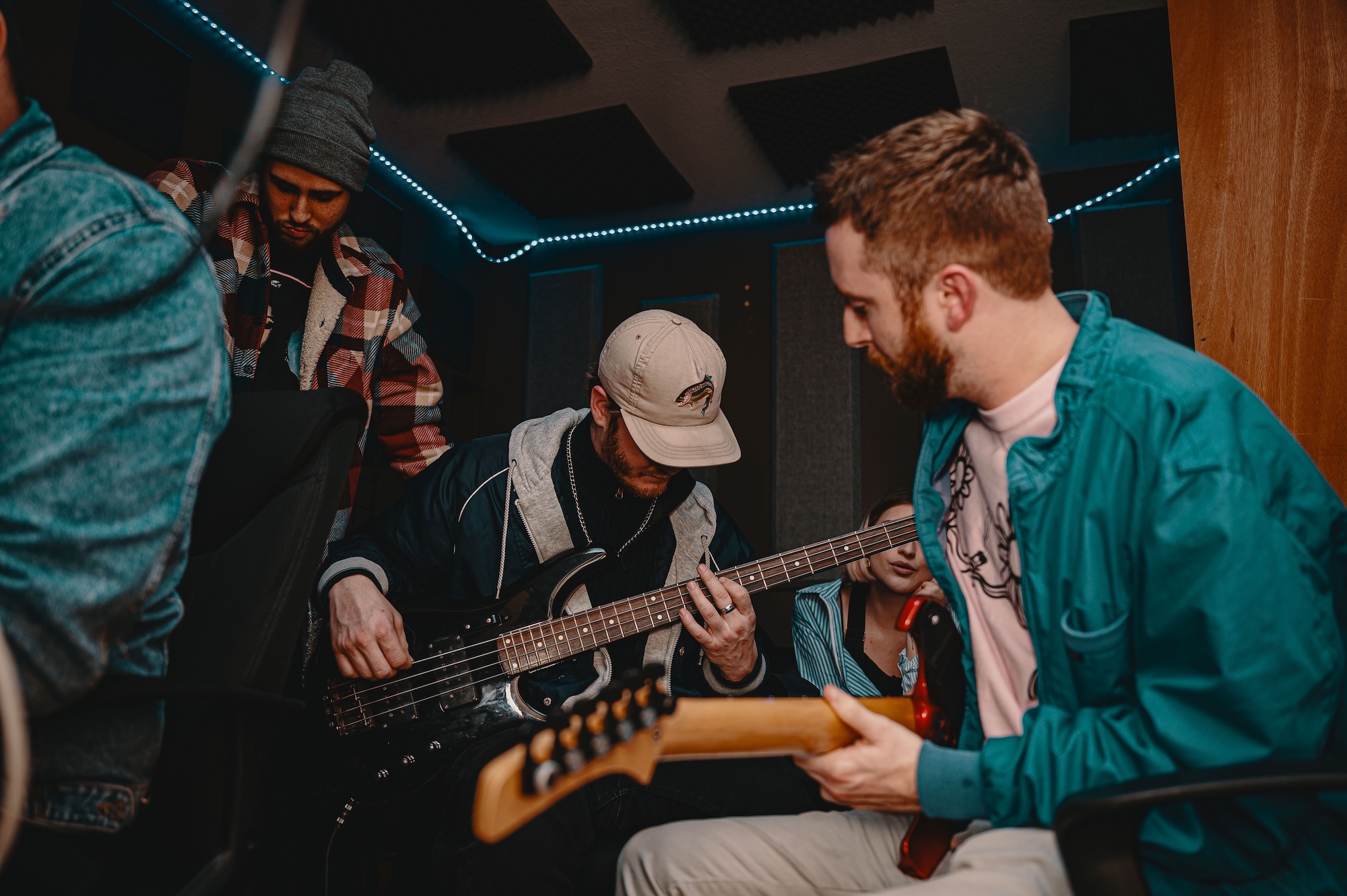
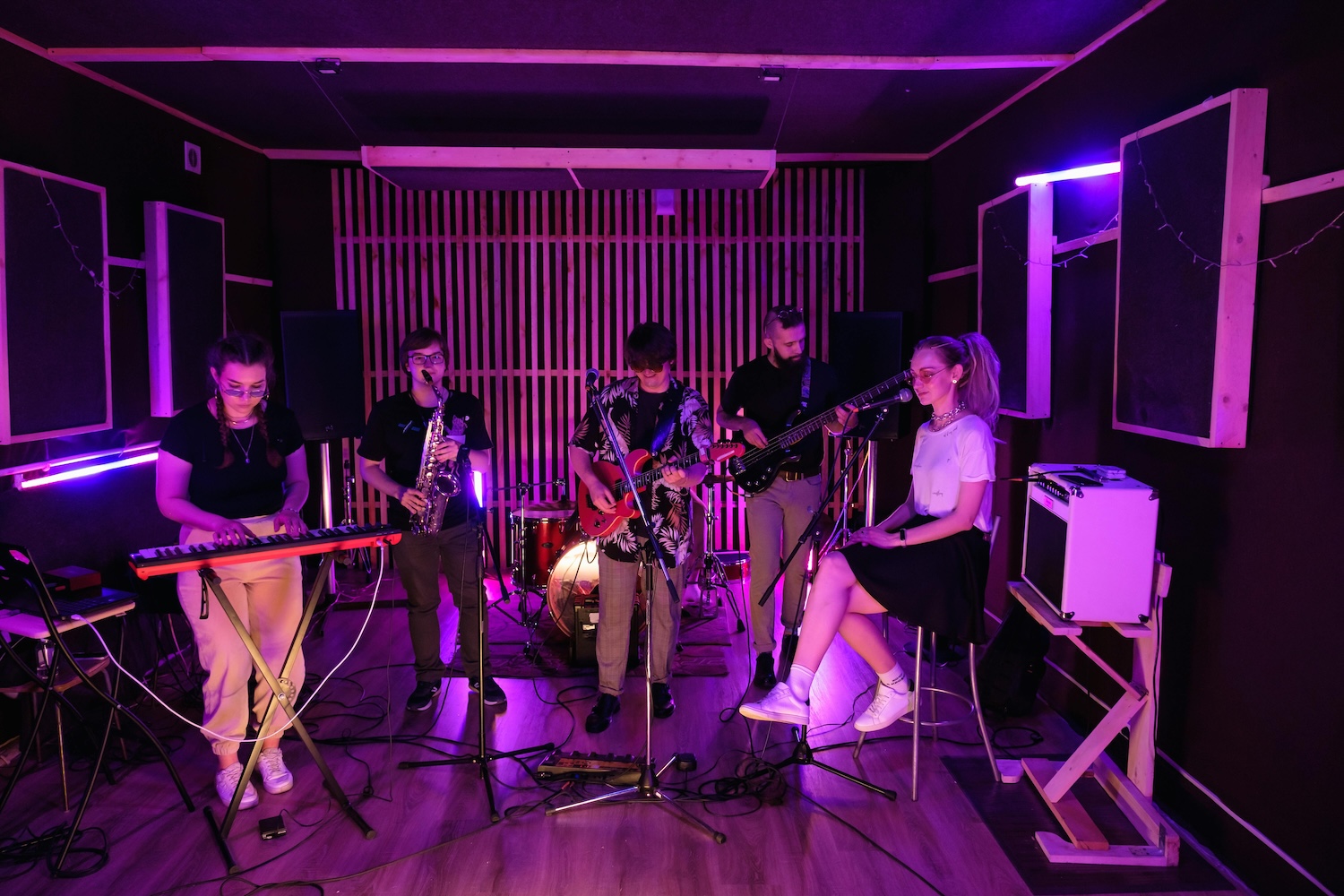
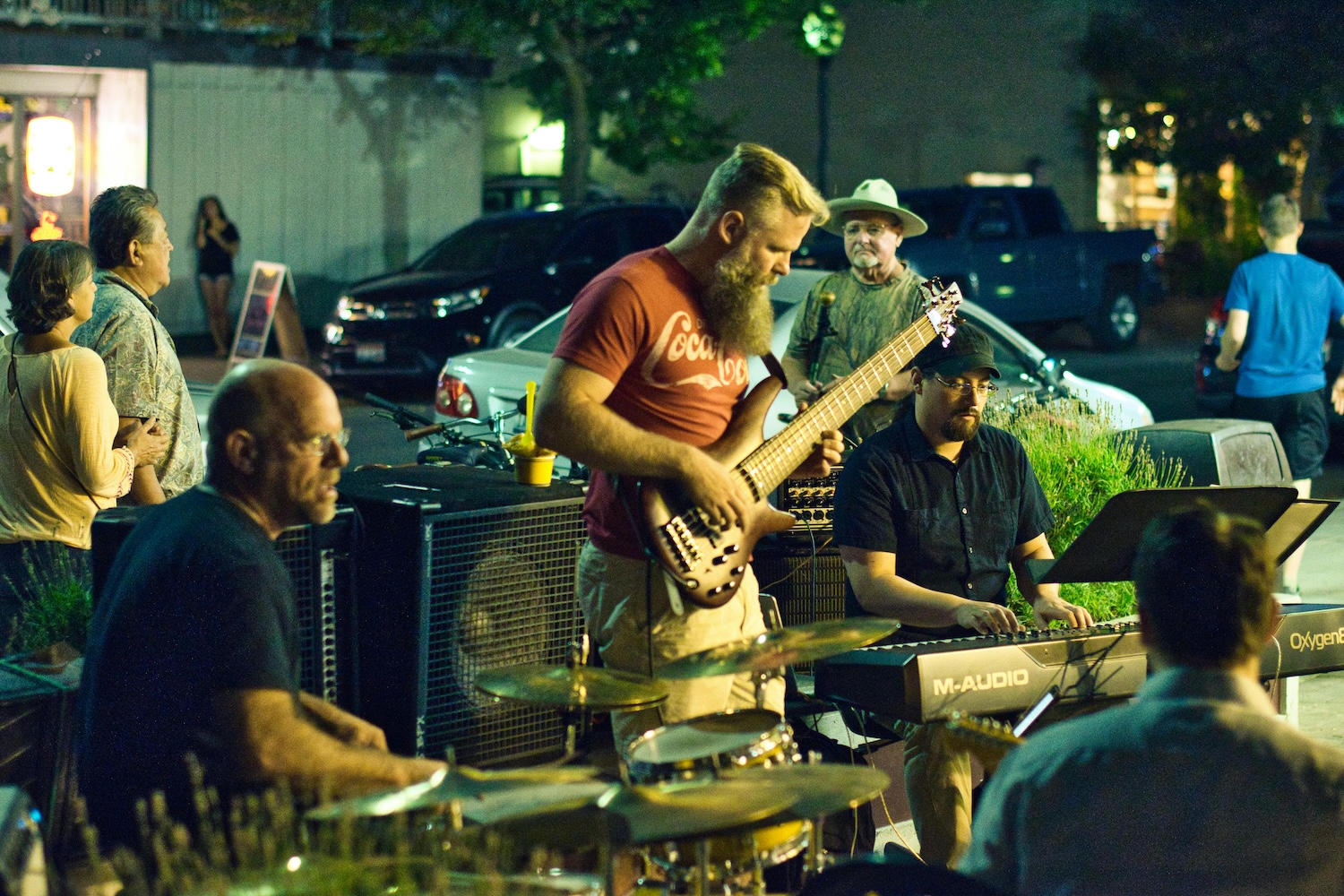
But music lives locally. In rehearsal rooms, small venues and collaborations across genres and functions. This is often where the most durable relationships and working lives are built.
When musicians connect locally around concrete needs and skills, pointless competition fades. In its place, collaboration, continuity and new roles emerge. Roles that do not require national or international recognition to be meaningful.
How Beatnickel Can Help
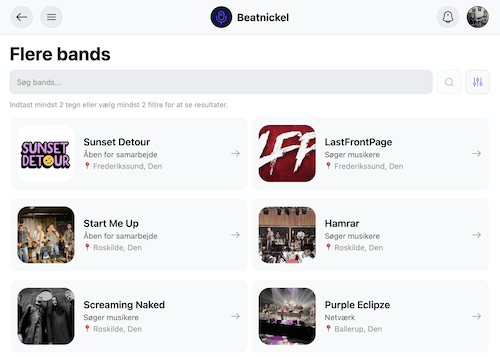
Beatnickel is built on the understanding that the music ecosystem is far more diverse than traditional career stories suggest. The platform makes it possible to highlight different roles, collaboration models and ambitions without forcing everyone into the same mold.
By making skills, needs and local relationships visible, Beatnickel helps musicians find each other in new ways. Not only as band members, but as collaborators, partners and contributors to a broader musical ecosystem.
It is not about creating more competitors in the same race. It is about opening more lanes.
The music world does not suffer from too many musicians. It suffers from too few visible paths. When everyone plays the same game, a traffic jam is inevitable and even the most talented struggle to move forward.
The future depends on expanding our understanding of what it means to succeed as a musician. More roles. More collaborations. Stronger local communities. When we make room for diversity, the music ecosystem becomes not weaker, but more alive.
Other blogs







































































Discover a platform built to connect musicians, simplify bookings, and fuel creative growth.
Find us on social networks


