
Soon available on


Music Industry 2.0 and how digital communities are changing everything
Date:
21.11.2025
Author:
Oli Olsen
Music Industry 2.0 and how digital communities are changing everything
Musicians, bands, venues and fans are no longer isolated parts of the music world. Digital communities are bringing them together in ways that unlock new opportunities for collaboration, visibility and growth. Music Industry 2.0 is here and it changes everything.
Digital communities as the new infrastructure
The music industry has evolved rapidly in recent years. While social media was the first step in giving musicians visibility, the next wave is much more powerful. It creates real digital communities where musicians connect, bands organise, venues discover new artists and fans engage more personally. These communities are no longer just places to share content. They function as the infrastructure of modern music life.
Collaboration without borders
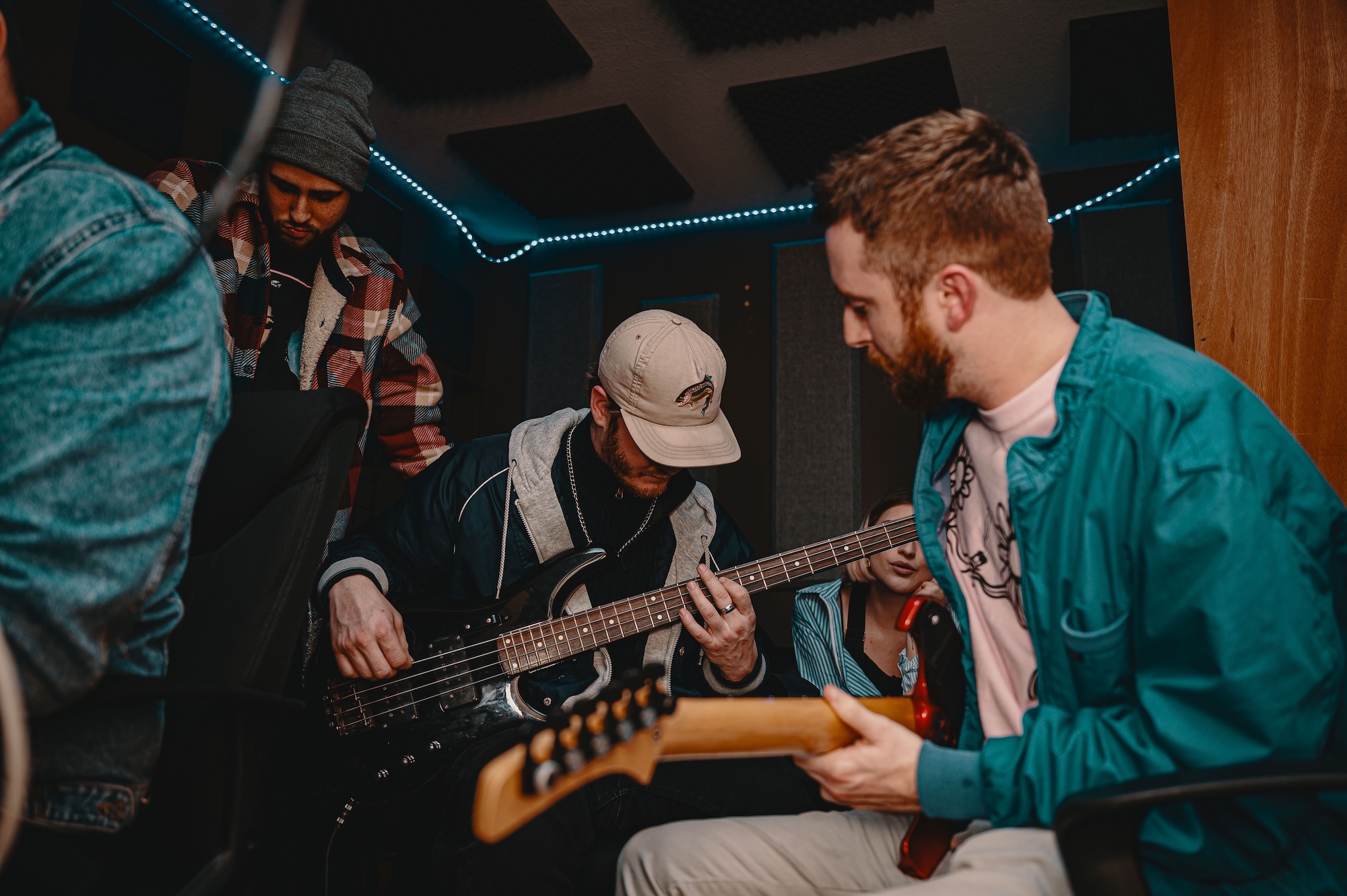
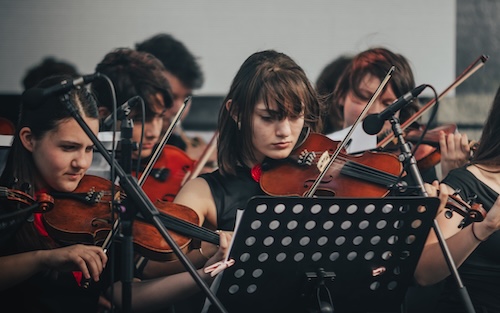
One of the biggest shifts is the way musicians can now collaborate across experience levels, genres and geographic distances. New platforms make it possible to match musicians based on style, needs and goals. Young talents who previously needed the right contacts can now join a digital space full of opportunities from day one. This lowers the barrier to creating music and makes the industry more open than ever.
Visibility through shared activity
Digital communities make it easier for musicians to be discovered. Not only by fans but also by venues, educators and collaborators. When posts, projects and activities are collected in one place, musicians gain a new kind of exposure. It becomes a fairer system where visibility is driven by engagement and activity rather than existing networks.
New possibilities for venues and cultural institutions
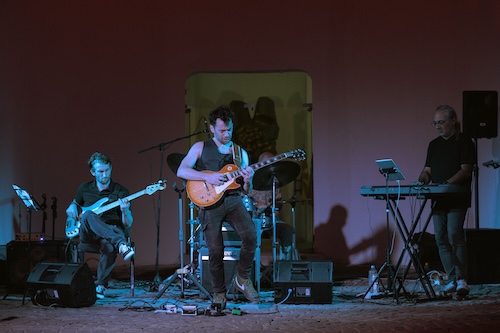
For venues and cultural organisations, digital communities create a direct line into the local music environment. They can follow emerging bands, discover upcoming talent and communicate more efficiently with musicians. This strengthens the local music ecosystem, leads to more concerts and gives bookers better tools to find the right artists. For music schools, it becomes easier for students to find bands, rehearsal partners and inspiration outside the classroom.
Community as a source of motivation
When musicians gather digitally, a new kind of motivation emerges. Being part of a living network keeps people active. They follow each other’s projects, share experiences and support one another. For young musicians this can be crucial. Many stop playing because they cannot find bandmates. Digital communities solve this by connecting people who would otherwise never meet.
Music Industry 2.0 is built on strong digital communities that connect musicians, bands, venues, schools and fans in one shared ecosystem. It creates more opportunities, more visibility and a more open, dynamic industry. The future of music will not only be shaped in rehearsal rooms and on stages but also in the digital spaces where collaboration, creativity and community grow.
Other blogs











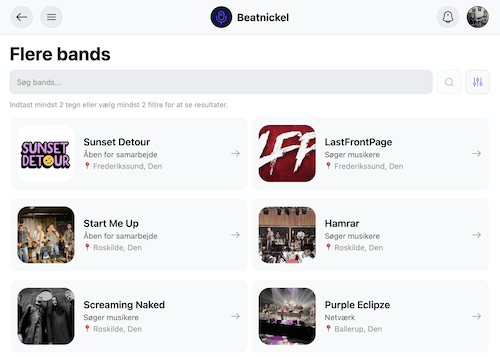
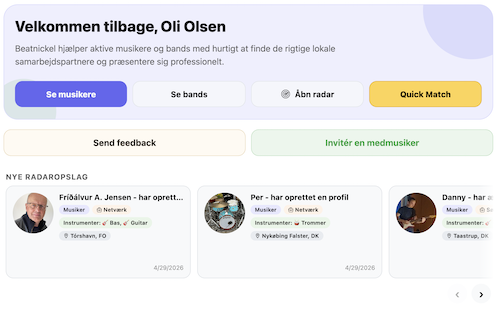




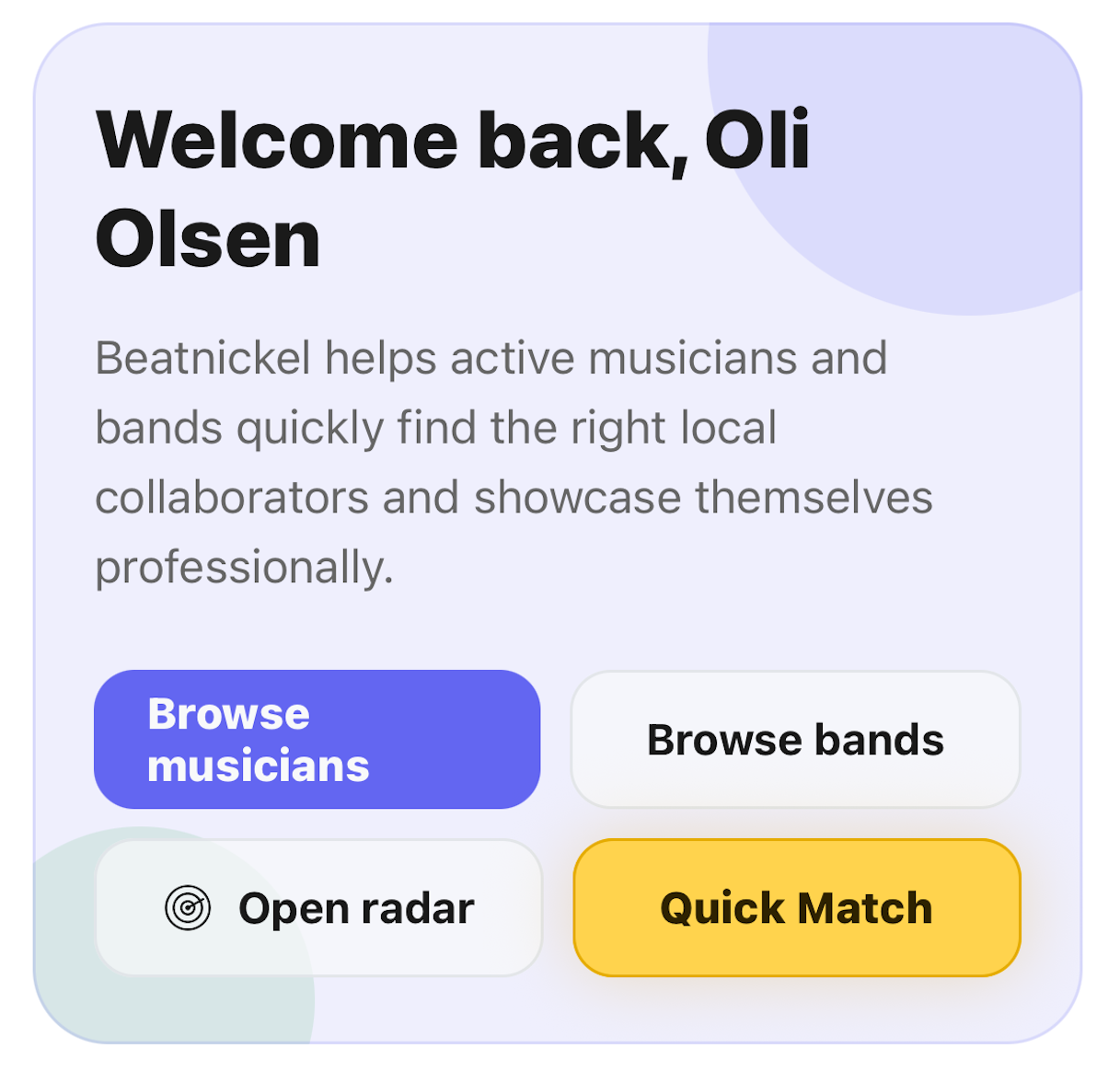





























Discover a platform built to connect musicians, simplify bookings, and fuel creative growth.
Find us on social networks


