
Soon available on


The Forgotten Musicians: Why Denmark Must Take 40+ Musicians Seriously
Date:
29.12.2025
Author:
Oli Olsen
The Forgotten Musicians: Why Denmark Must Take 40+ Musicians Seriously
The Danish music scene loves stories about young talent. But the largest group of active musicians in Denmark are adults over 40. They rehearse, write, perform, and sustain local music communities every week. Yet they are often overlooked by initiatives, funding schemes, and digital platforms. It is time to take them seriously.
When music development is discussed in Denmark, the conversation almost always revolves around children, youth, and emerging talent. Talent programs, music schools, and funding initiatives are designed for those who are just starting out or aiming for professional careers. That focus makes sense, but it also distorts reality.
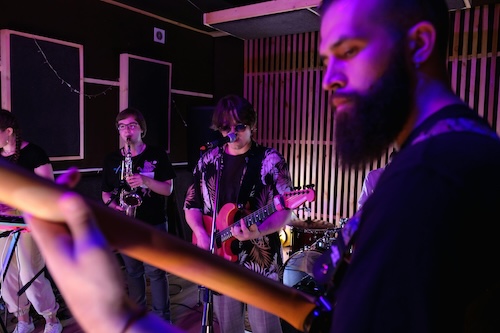
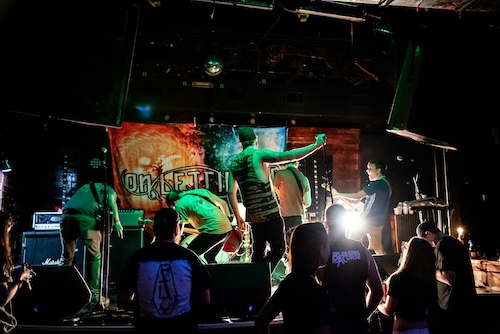
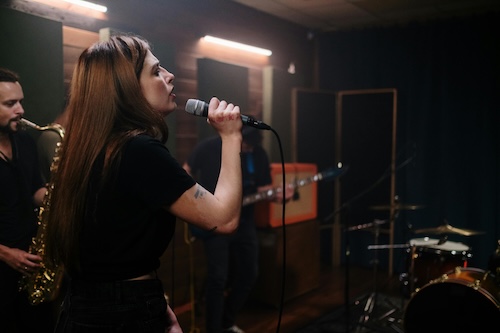
Because while attention is directed toward the next generation, Danish music life is largely carried by adult amateurs. Musicians in their 40s, 50s, and 60s who play out of passion, identity, and community. They fill rehearsal rooms, book local venues, organize concerts, and keep regional music ecosystems alive.
They are not on their way out. They are the backbone.
The largest active music group no one talks about
Many adult musicians have played their whole lives. Others return after years focused on careers, families, and responsibilities. What they share is a renewed commitment to music, not as a career move, but as a meaningful part of everyday life.
Yet they rarely fit into existing categories. They are not “talent pipeline” material. They are not chasing fame. They want to play well, find compatible bandmates, and belong to something that matters.
Ironically, in terms of numbers, engagement, and continuity, this is the most stable and committed group in the entire music ecosystem.
When support ends but music continues
For many musicians, structure disappears after youth programs end. Music school is over. Talent initiatives are closed. Networks dissolve.
Adult amateurs are expected to manage on their own. They must find bandmates, rehearsal spaces, venues, and audiences without institutional support. At the same time, they balance jobs, families, and limited time.
As a result, many musicians play alone longer than they should. Others give up not because the passion is gone, but because the friction is too high.
Community is the key
For adult musicians, success is rarely about rapid growth or recognition. It is about continuity, chemistry, and community. About playing with people at a similar level and life stage. About rehearsals that fit into real lives.
When community works, creativity thrives. Bands last longer. Music improves. And musicians gain a space where identity, creativity, and social connection come together.
This is an enormous and largely untapped potential.
Beatnickel and adult musicians
Beatnickel is built for the full reality of music life, not only for young talent. The platform is designed around how adult musicians actually live and play.
It focuses on finding the right people. Matching based on musical taste, level, ambition, and life situation. Creating local communities where musicians can belong, grow, and collaborate without having to fit into narrow definitions of success.
Beatnickel recognizes that music does not stop at 30.
For many, it truly begins later in life.
If Denmark wants a vibrant and sustainable music ecosystem, it must broaden its perspective. Musicians over 40 are not a niche. They are the foundation of local music culture.
They deserve visibility, community, and tools designed for their reality. Not as an alternative to youth initiatives, but as an equally important focus.
When we take the forgotten musicians seriously, we strengthen the entire music scene.
Other blogs









































Discover a platform built to connect musicians, simplify bookings, and fuel creative growth.
Find us on social networks


