
Soon available on


The Hidden Class Divide in Music
Date:
22.1.2026
Author:
Oli Olsen
The Hidden Class Divide in Music
The dream of a breakthrough is deeply rooted in music culture. But behind the story of talent and perseverance lies a less visible reality. Not everyone can afford to wait. Time, financial security, and networks have become decisive factors in who gets to stay in the game long enough.
Music is often presented as a meritocracy. If you are talented enough, work hard enough, and believe strongly enough, success will eventually follow. In reality, the music world is far from equal. Many careers are shaped not only by artistic ability, but by how long someone can survive with unstable income, unpaid work, and constant uncertainty.
For some, the waiting period is part of the journey. For others, it becomes a barrier. When income is low or unpredictable, and when networks must be built slowly and often without pay, financial backing and social capital stop being advantages and become prerequisites.
Waiting has a price
Being a musician today often means long stretches without proper pay. Rehearsals, projects, showcases, and networking events are frequently framed as investments in the future. But rent, bills, and daily expenses exist in the present. Those with savings, family support, or flexible jobs can last longer. Those without are forced out earlier.
The waiting period becomes a filter. Not for quality, but for financial endurance.
Networks are not neutral
Networks rarely emerge on neutral ground. They grow through access to scenes, time to be present, and the ability to say yes to unpaid opportunities. Some people grow up close to music environments, know the right people early, or learn the unwritten rules quickly. Others start from scratch.
When access to work and visibility depends on networks, inequality is reinforced. Not through bad intentions, but through structures that favor those who already have the capacity to participate.
Talent is necessary but not sufficient
There is no shortage of talent that never gets the chance to mature. Not because the quality is lacking, but because life intervenes. Stable jobs, family responsibilities, financial pressure. Music becomes something that has to be postponed or abandoned long before its potential is realized.
Breakthroughs still happen. But the road toward them is unevenly distributed.
Another path through local collaboration
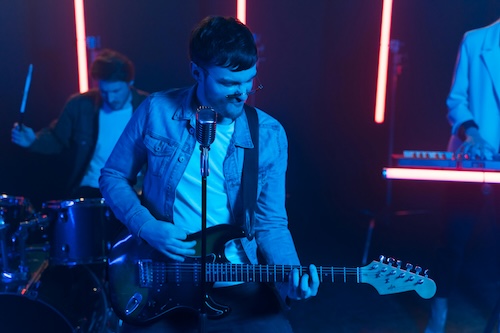
If the music world only rewards late breakthroughs, it loses many voices along the way. That is why local networks and concrete collaborations matter. When musicians can connect locally, create projects together, share resources, and generate income earlier, the dynamic shifts.
Small, real opportunities can be the difference between continuing and giving up.
The hidden class divide in music is not about ambition or dedication. It is about time, money, and access. About who can afford to wait the longest. If the music ecosystem is to become more sustainable and diverse, we need structures where value can be created earlier, locally, and collectively.
When collaboration and opportunity move closer to everyday reality, music stops being only for those who can wait. It becomes for those who want to create.
Other blogs












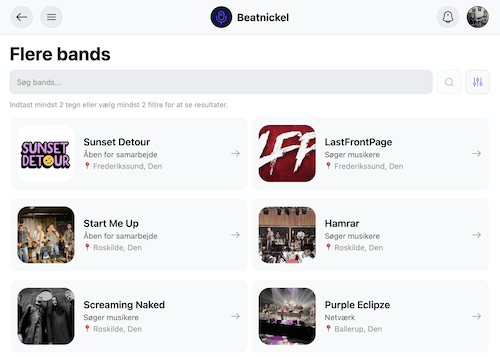
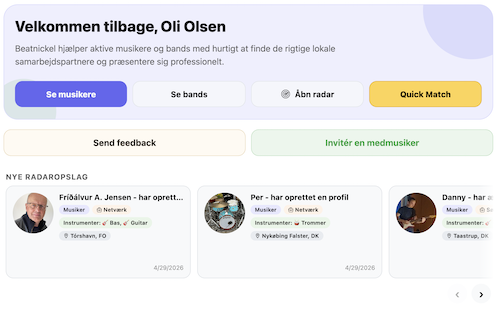




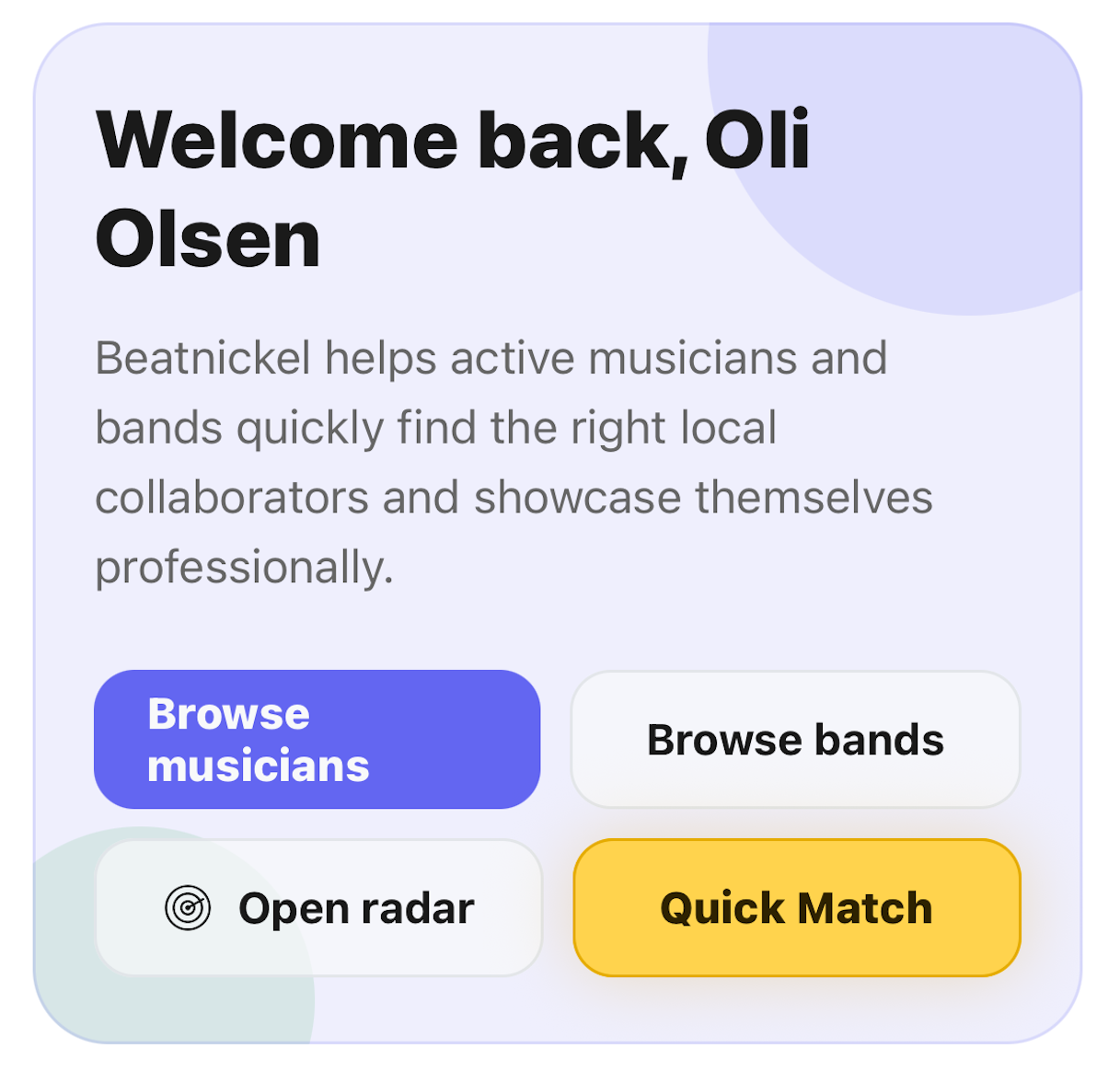



































Discover a platform built to connect musicians, simplify bookings, and fuel creative growth.
Find us on social networks


