
Soon available on


It Has Become Easier to Release Music Than to Build an Audience
Date:
5.3.2026
Author:
Oli Olsen
It Has Become Easier to Release Music Than to Build an Audience
Never before has it been so easy to release music. With just a few clicks, a song can be available on every major streaming platform in the world. But while distribution has become democratized, attention has become scarce. The result is a music landscape where more people release music than ever before, yet fewer manage to build a lasting audience.
A few decades ago, releasing music required record labels, studios, and physical distribution. Today anyone can upload a song and make it globally available within hours. Technology has removed almost every barrier.
This has created enormous creative freedom. More people are making music, more people are releasing music, and more artists are experimenting with new sounds and genres.
But a new challenge has emerged. Attention has become the real currency of the music world.
Every day, tens of thousands of new songs are released on streaming platforms. This means that even great music can easily disappear in the crowd. For young and amateur musicians it can feel like shouting into an empty room. For professionals the struggle is often not about being discovered, but about keeping the audience they already have in a constant stream of new releases.
Releasing music has become easy.
Being heard has become difficult.
An audience does not grow on platforms alone
Streaming platforms are powerful distribution tools, but they are rarely good at building deep relationships between musicians and audiences.
Algorithms reward speed and volume. New releases constantly push older ones out of view. As a result, many musicians feel pressured to release more and more music simply to remain visible.
But audiences rarely grow from streams alone.
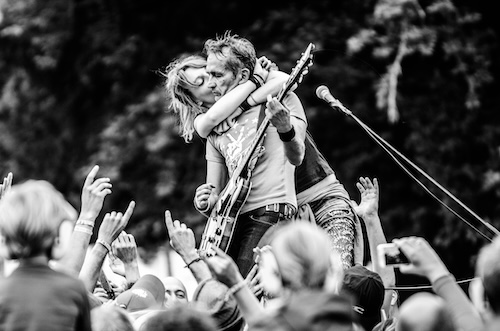
Audiences grow through relationships. Through concerts. Through collaborations. Through real connections within local music communities.
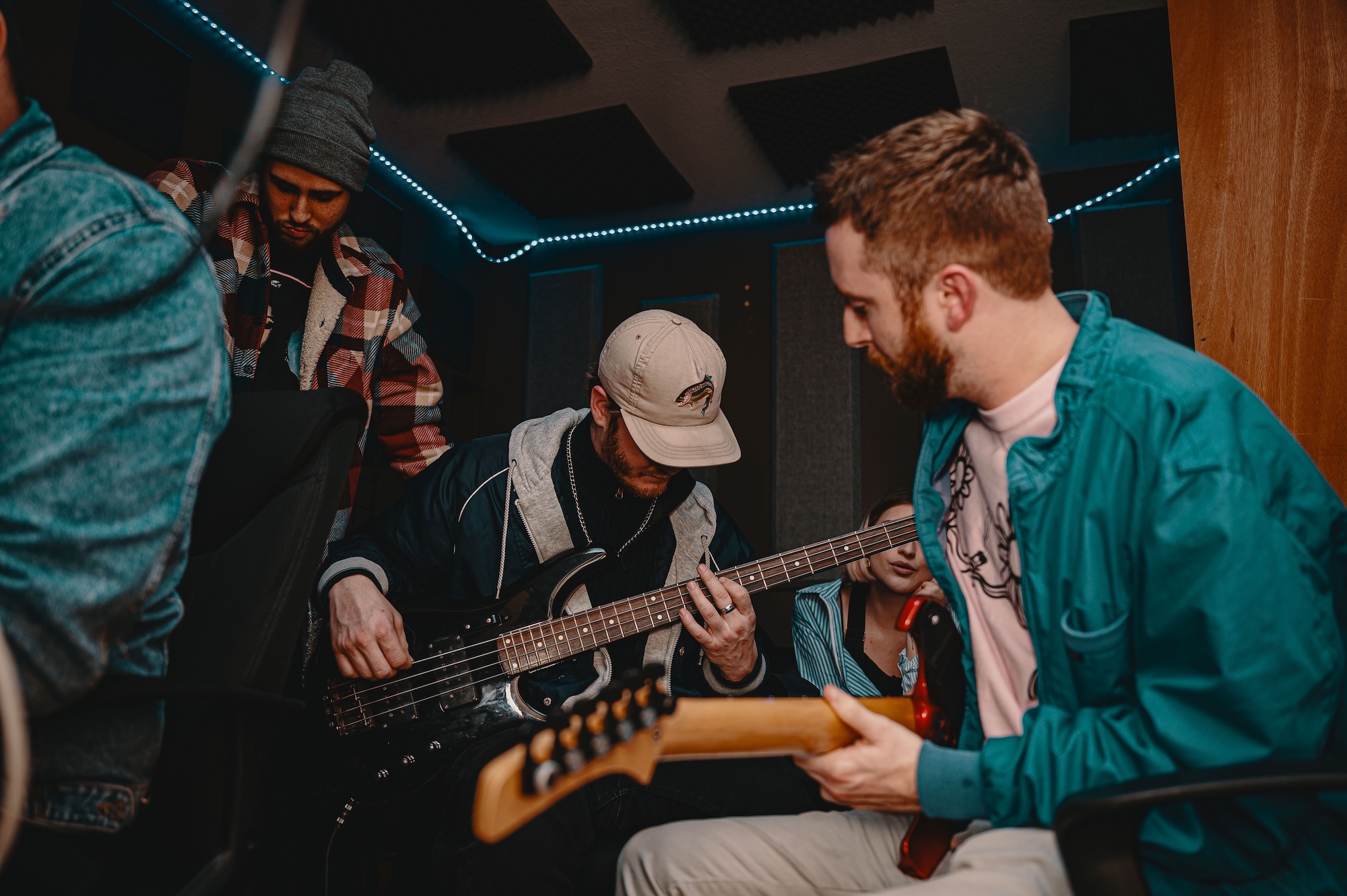
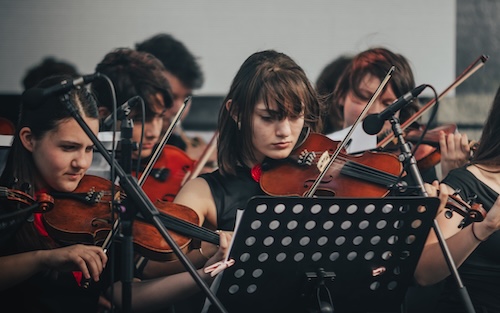
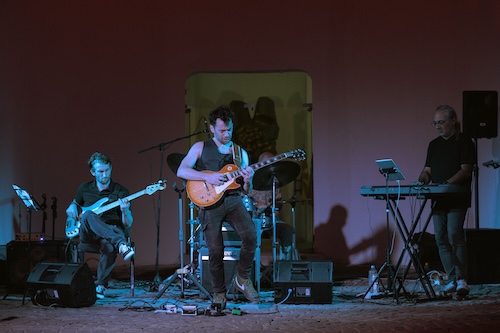
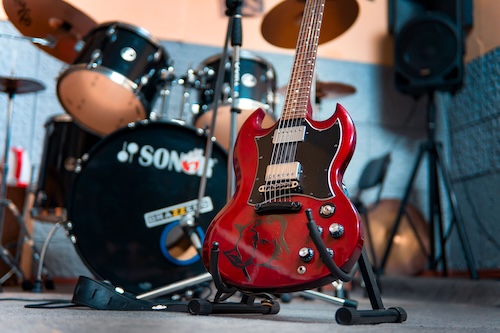
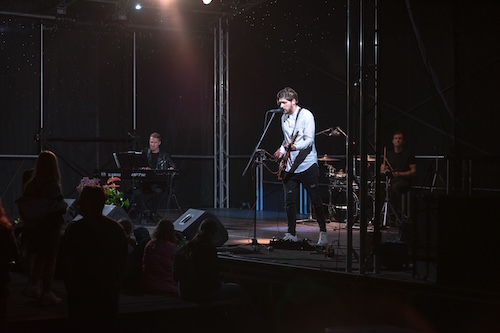
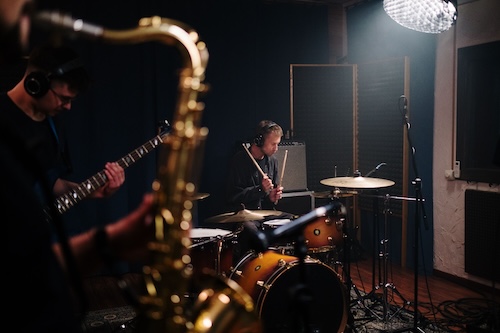
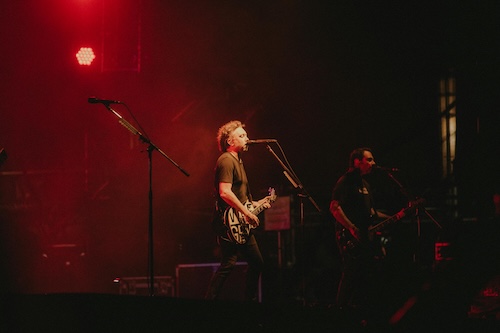
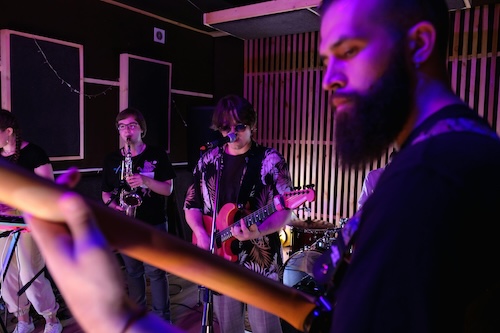
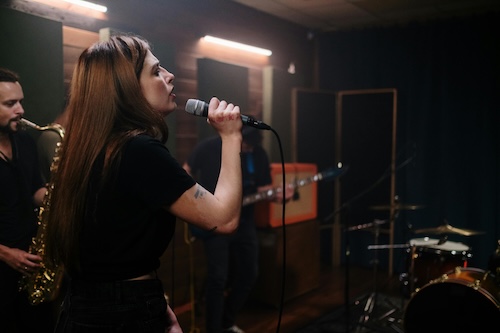
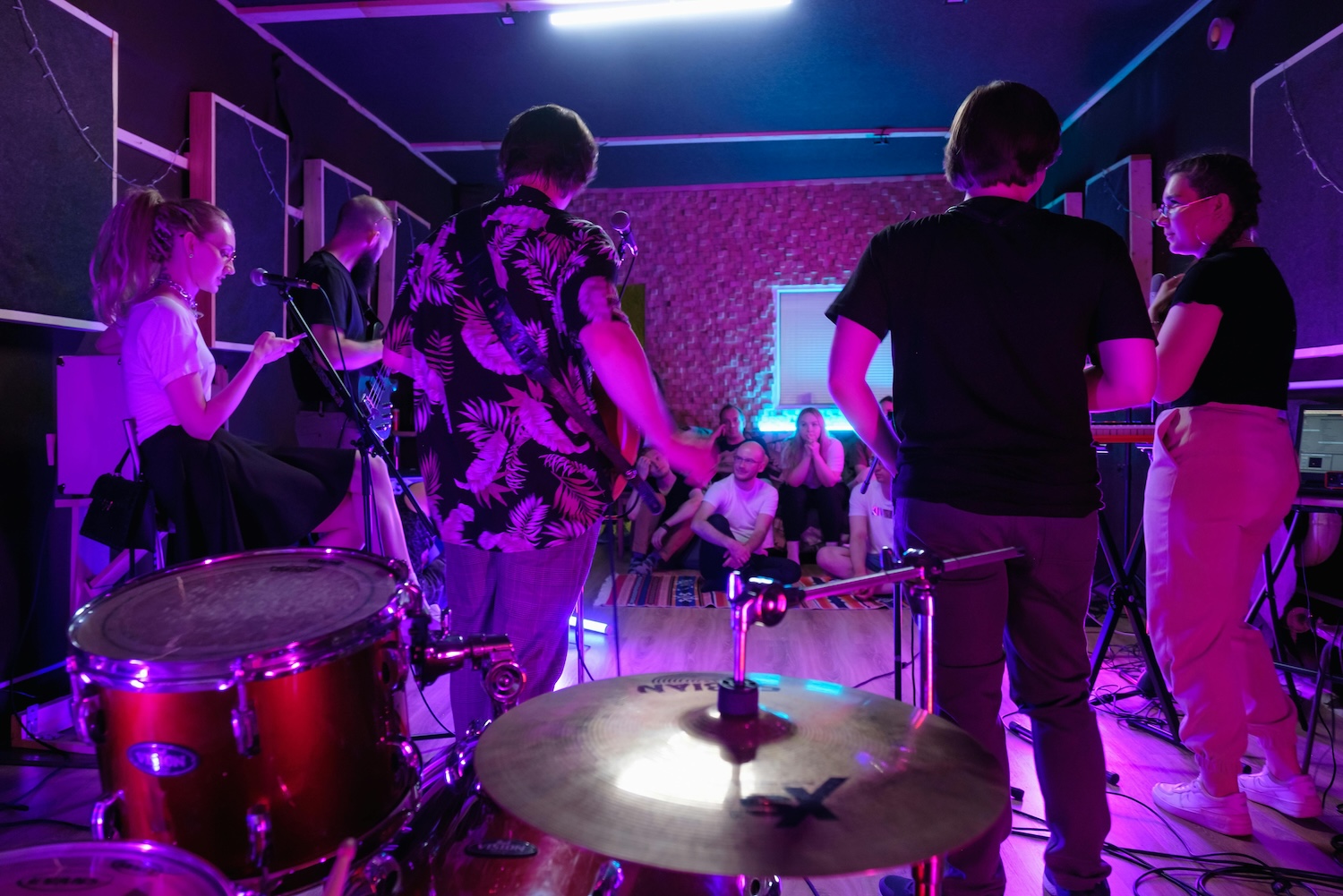
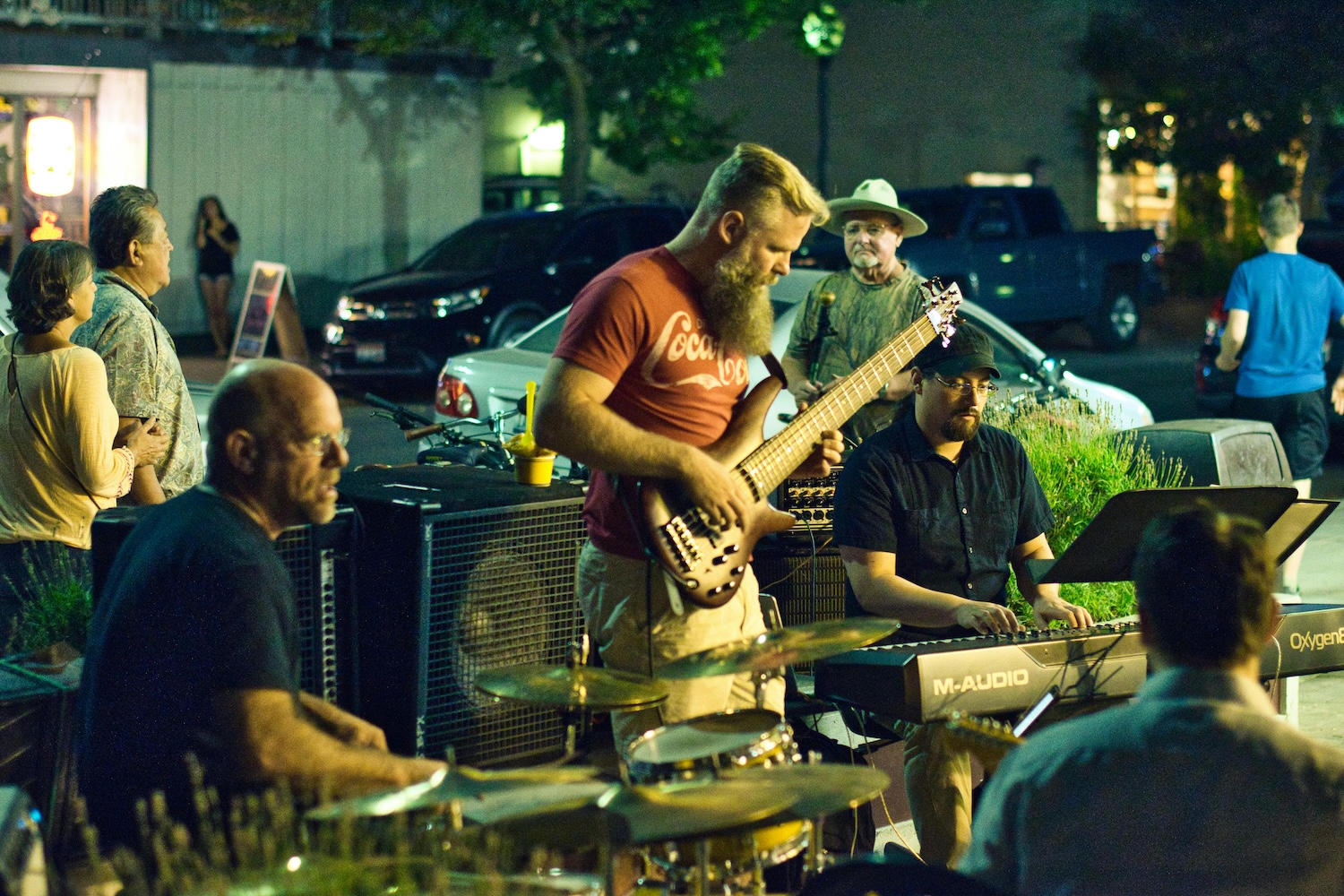
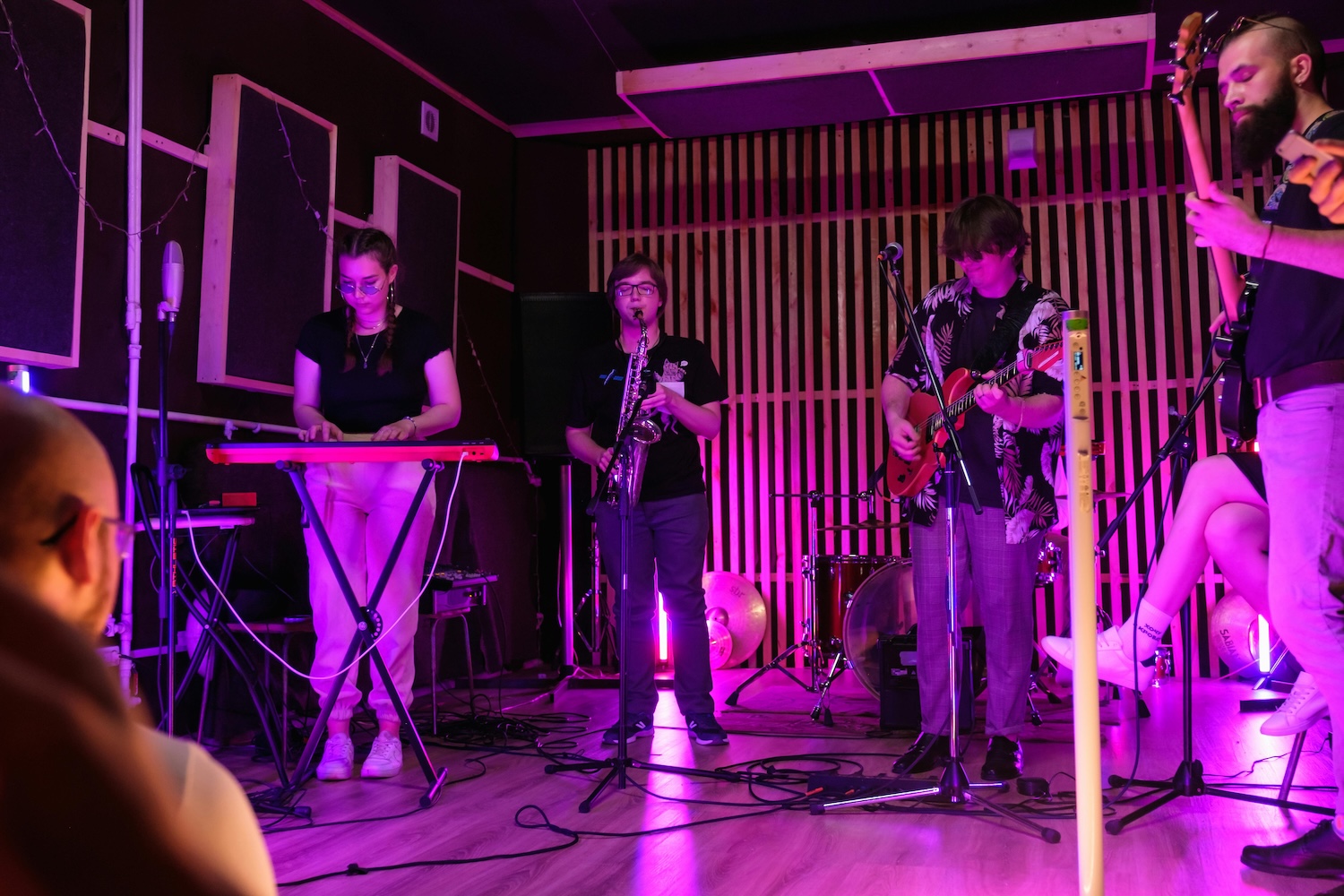
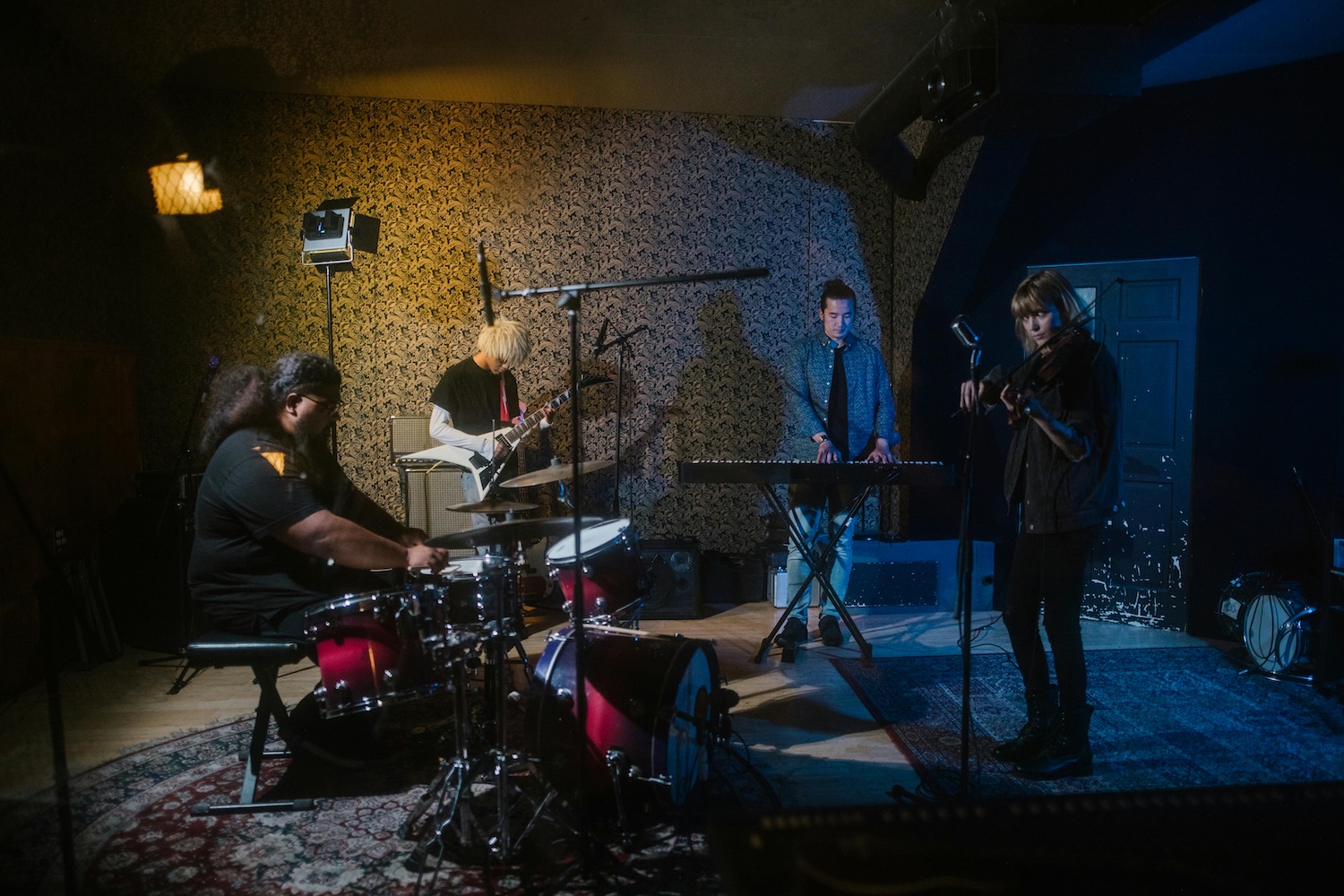
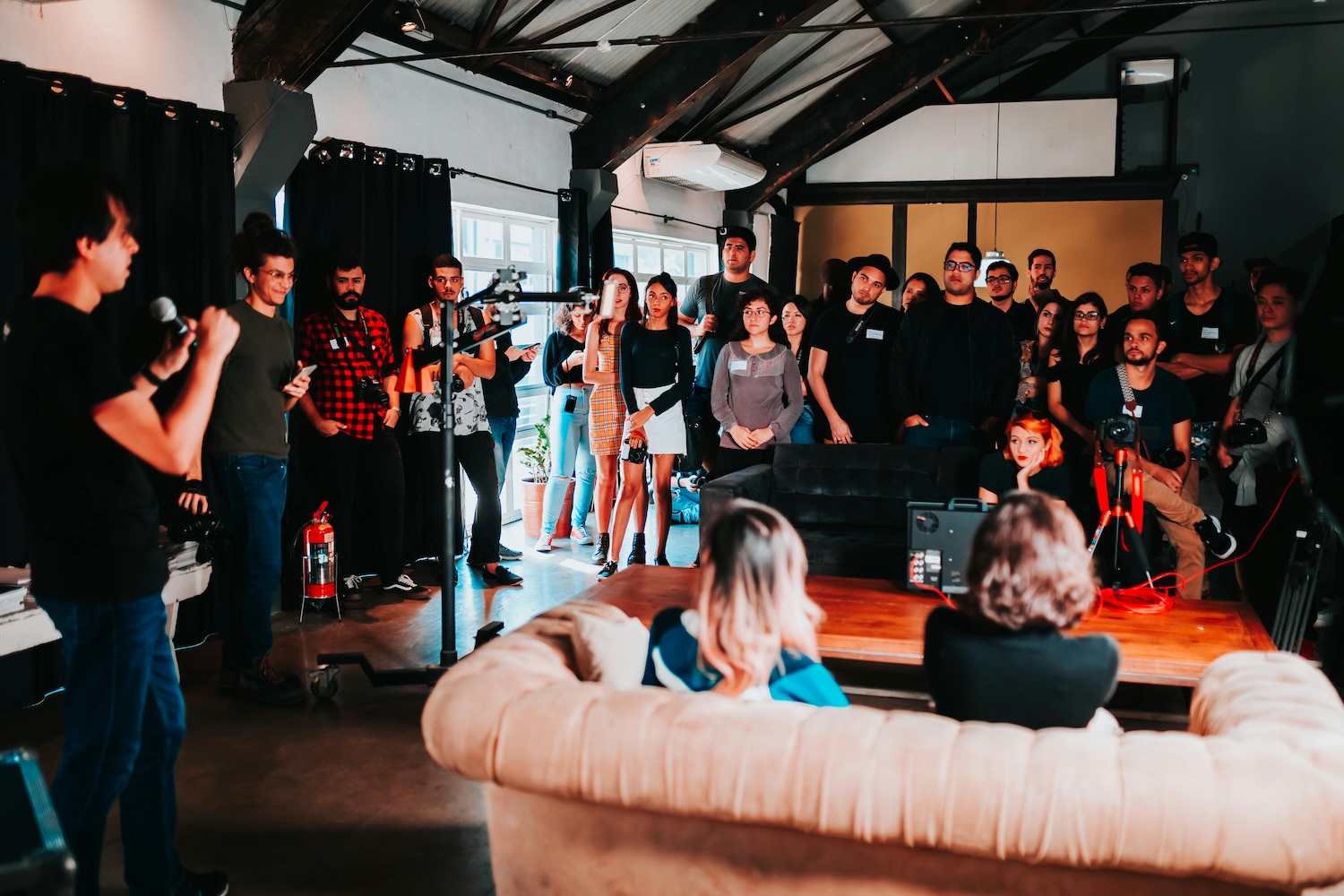
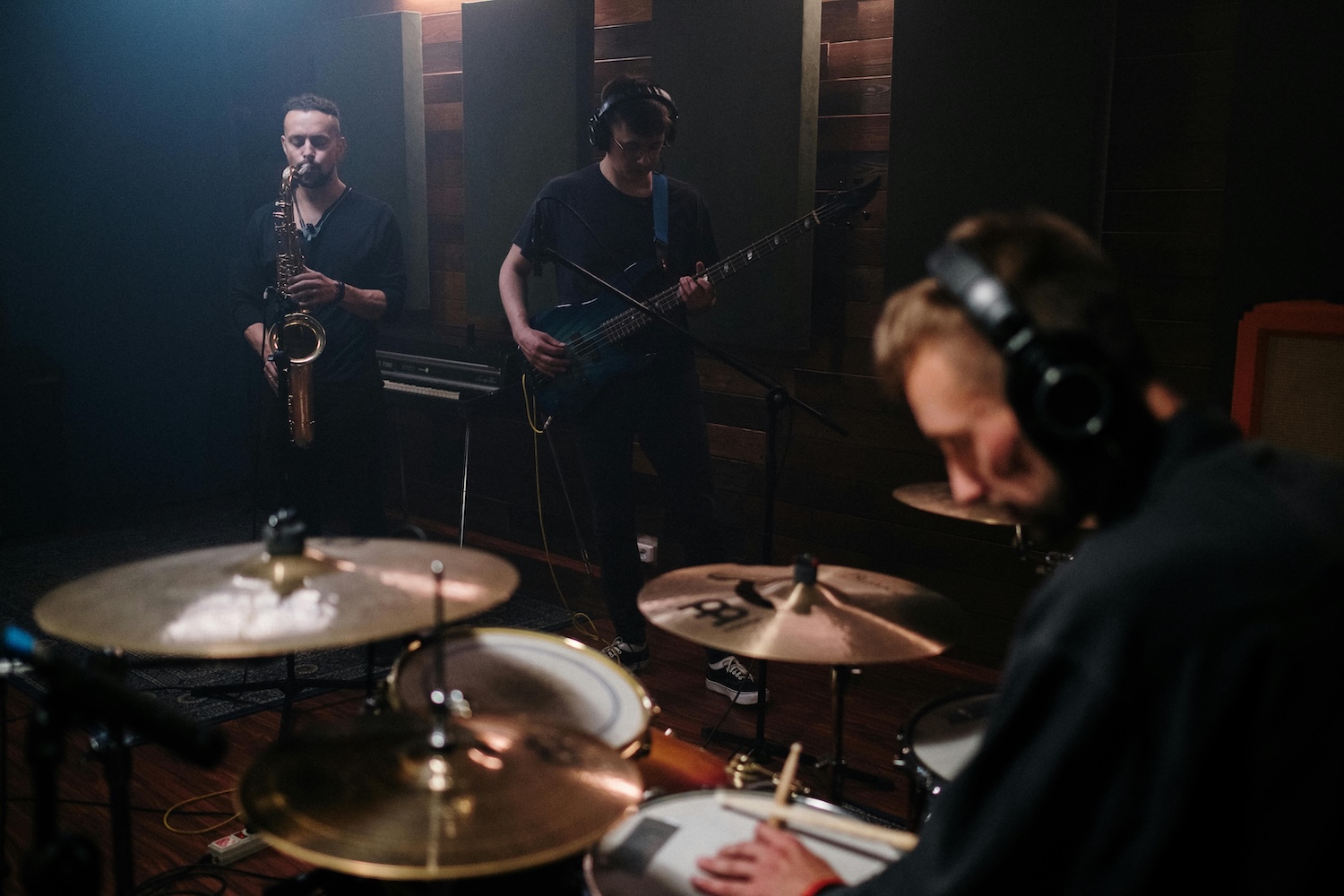
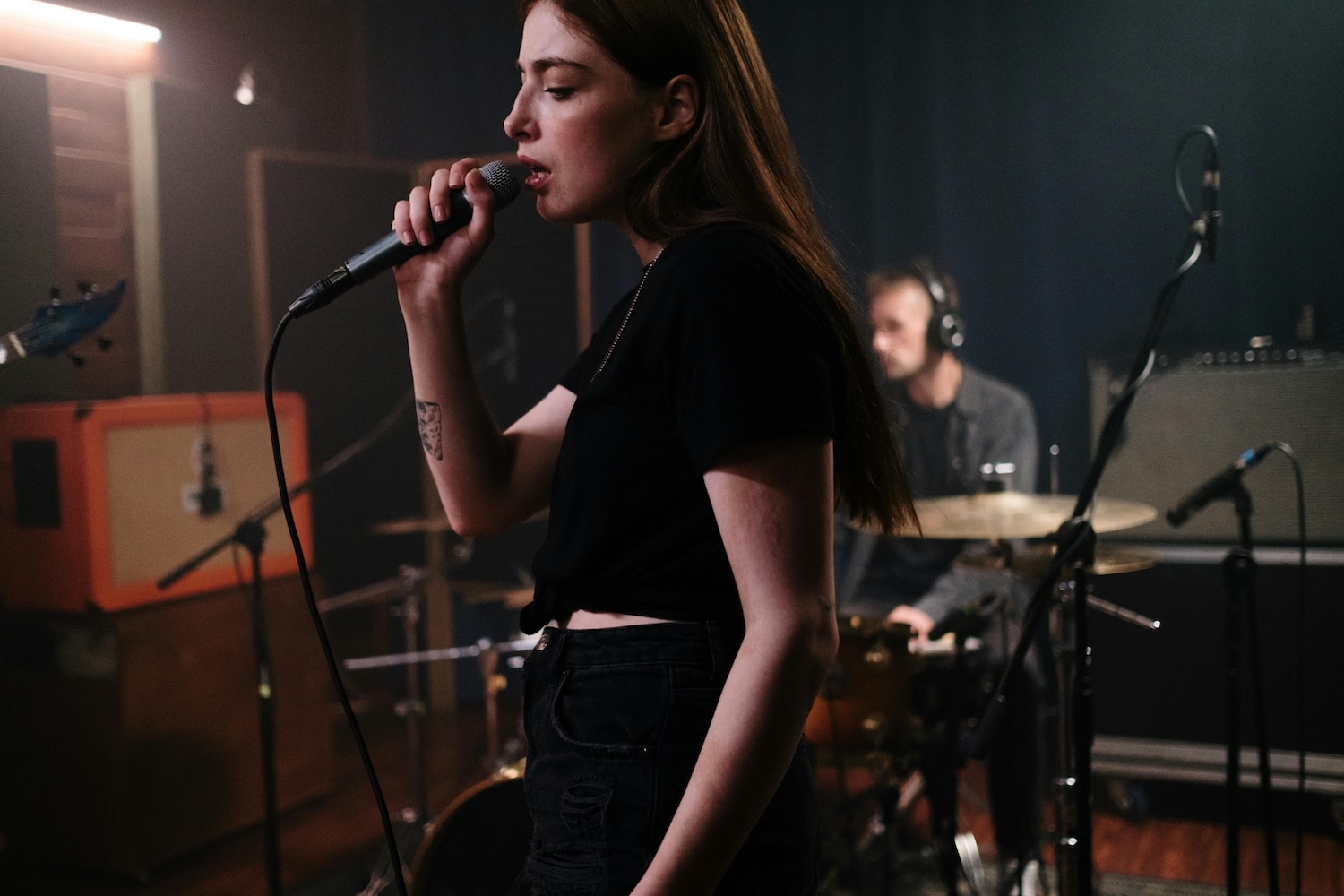
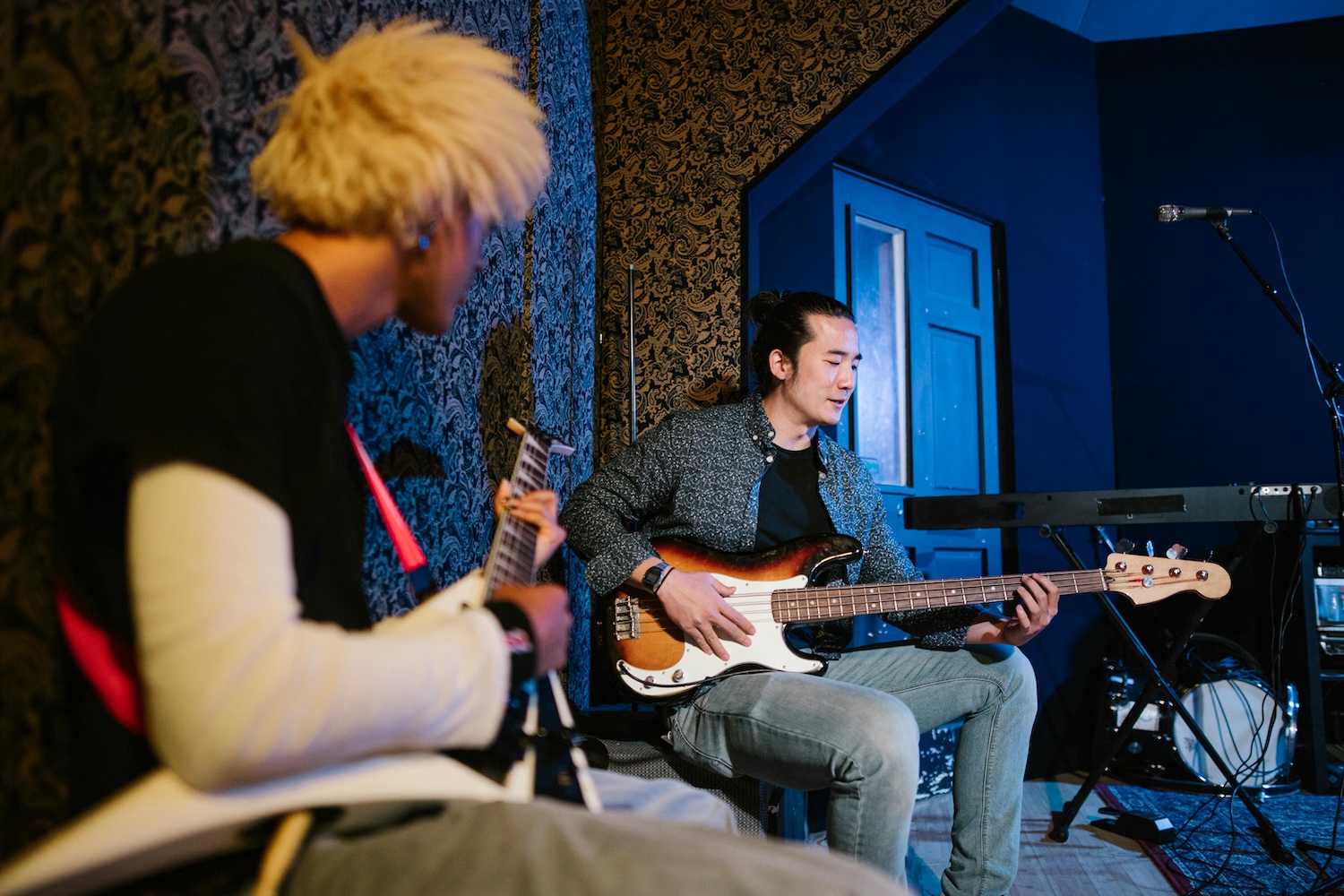
It is in rehearsal rooms, on small stages, and in shared projects that musicians meet each other and audiences discover new artists.
Music scenes grow from communities
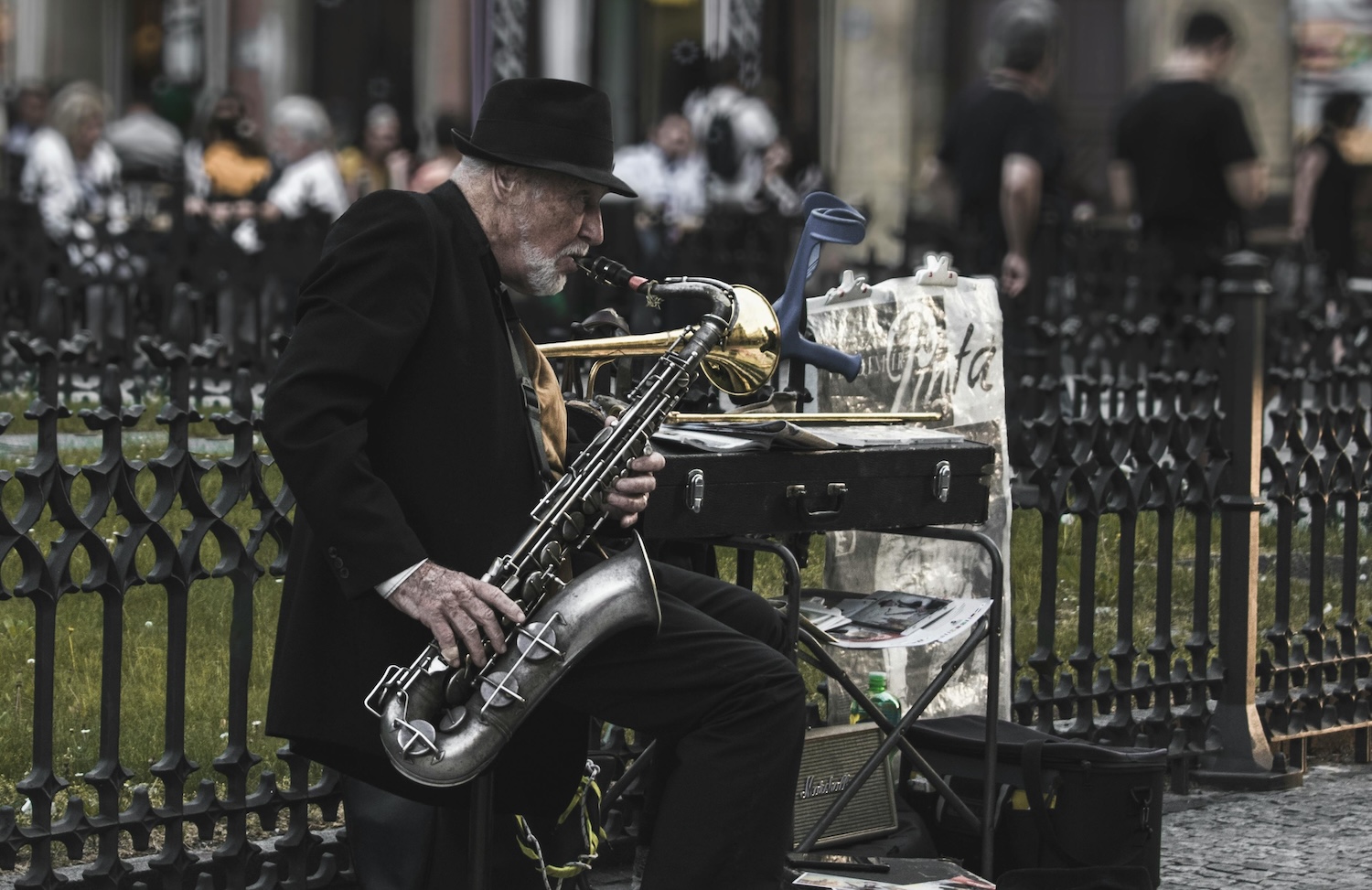
Many musicians today work largely on their own. They write, record, and release music from their home studios. This gives great freedom, but it can also create isolation.
Historically, music scenes have almost always grown from communities. Bands, venues, local scenes, and collaborations have been the driving forces behind most musical movements.
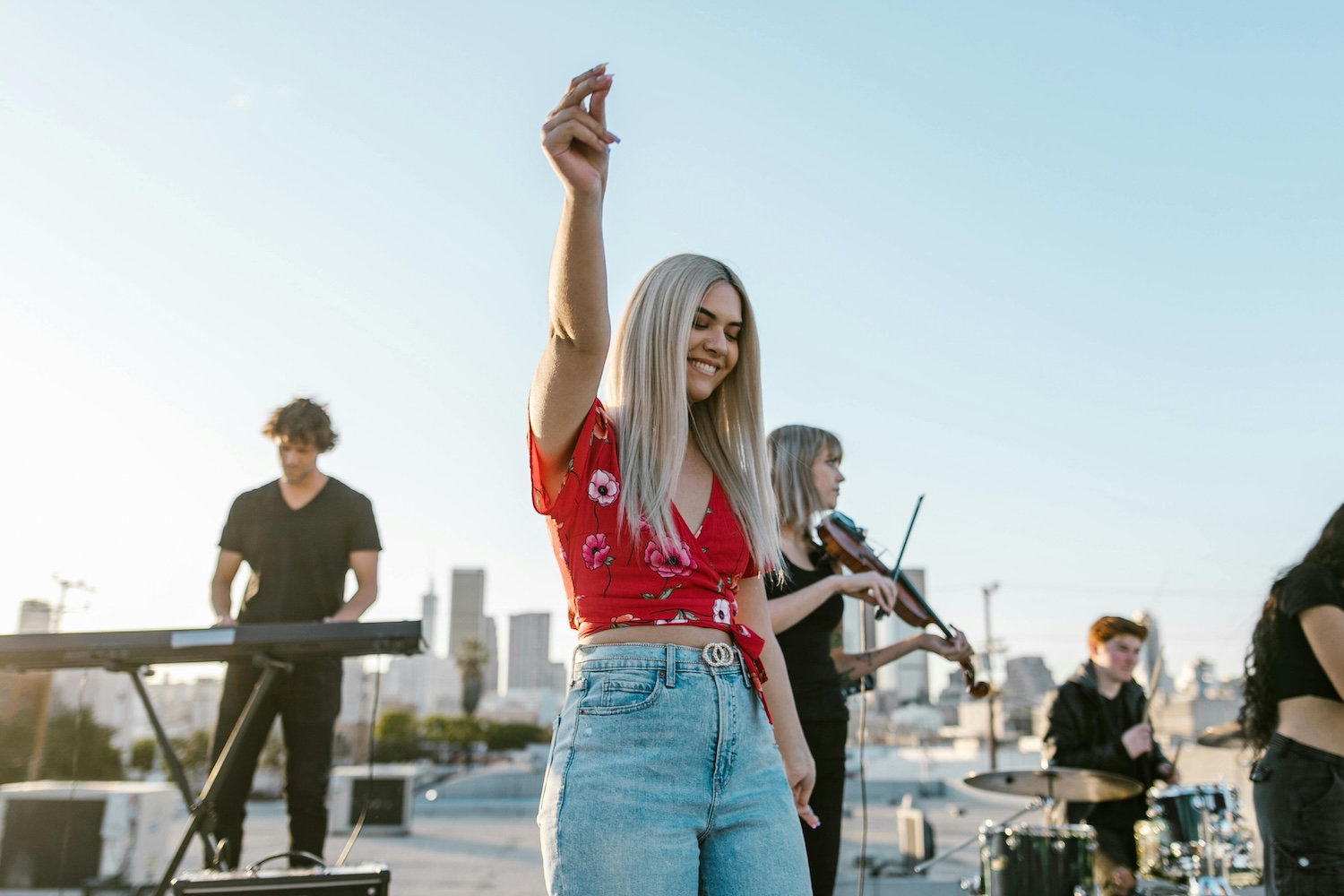
When musicians meet, play together, organize concerts, and recommend each other, something happens that no algorithm can create.
An audience.
From release to relationships
If the future music ecosystem is to be sustainable, it requires more than another distribution channel.
It requires structures that make it easier for musicians to find each other, collaborate, and create activity together. It is within these relationships that audiences grow naturally.
This is not about competing for attention in a global stream of content. It is about building music culture from the ground up through local networks, collaborations, and live experiences.
That is the idea behind Beatnickel.
The platform is designed to connect musicians, bands, and music communities so that new collaborations can emerge and new activities can grow.
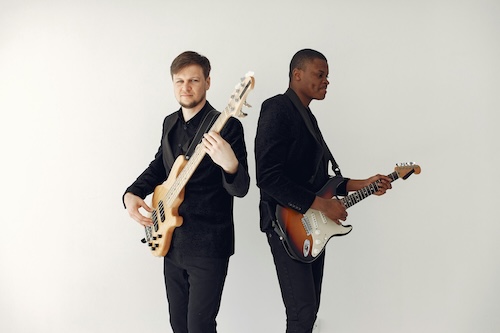
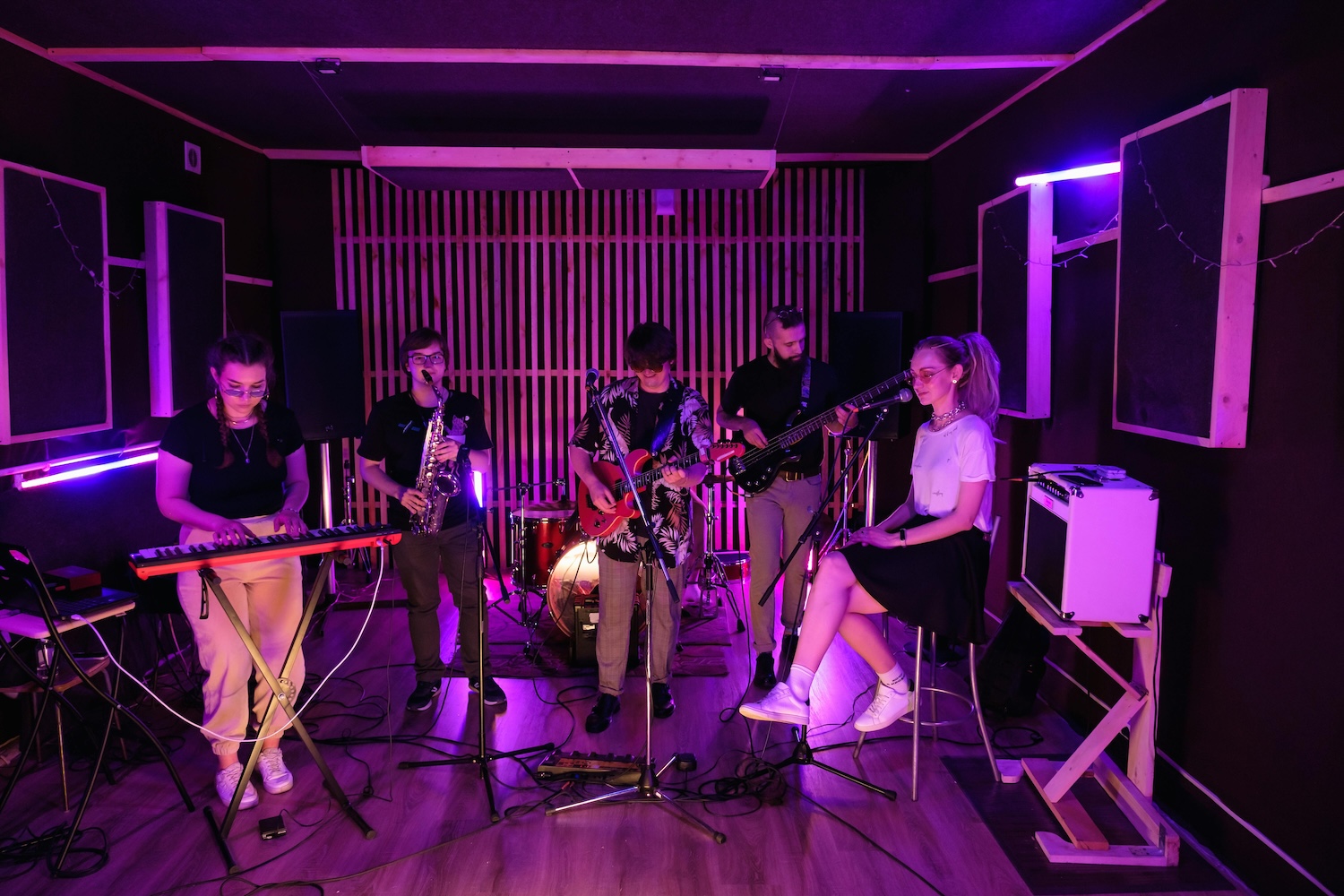
When musicians find each other, bands are formed.
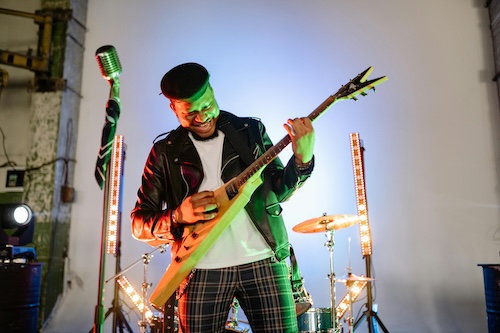
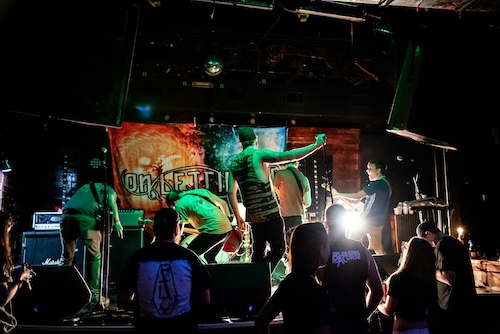
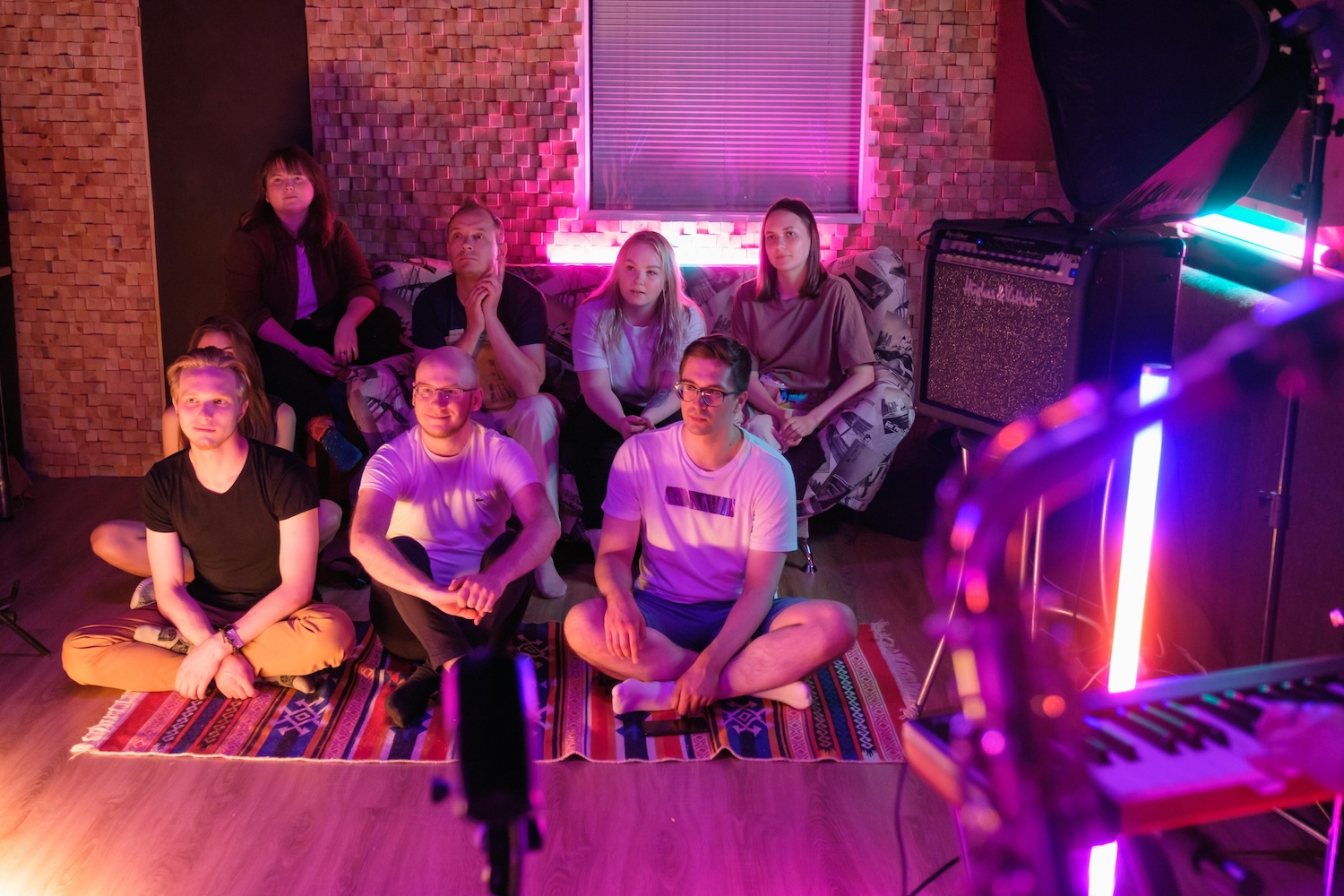
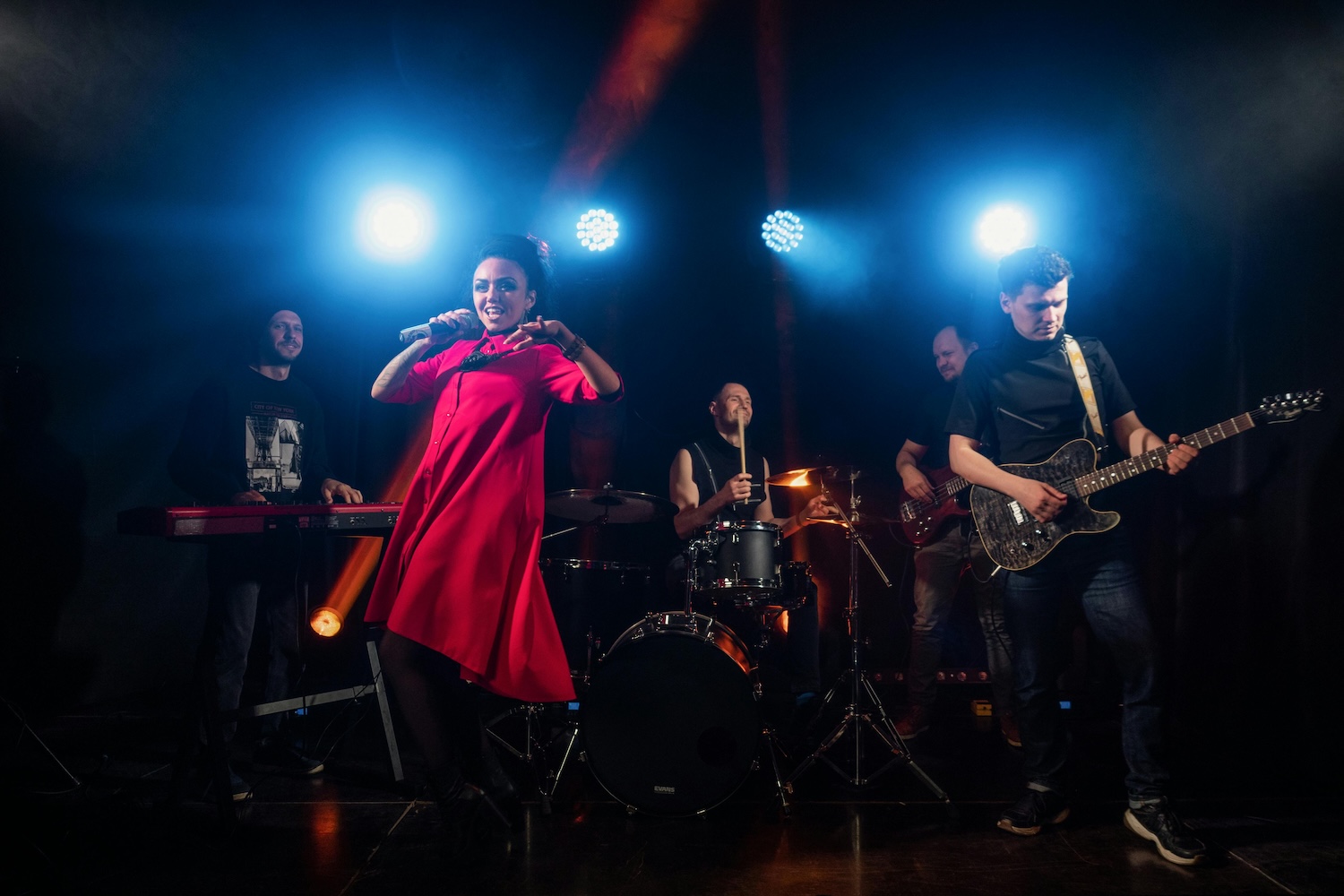
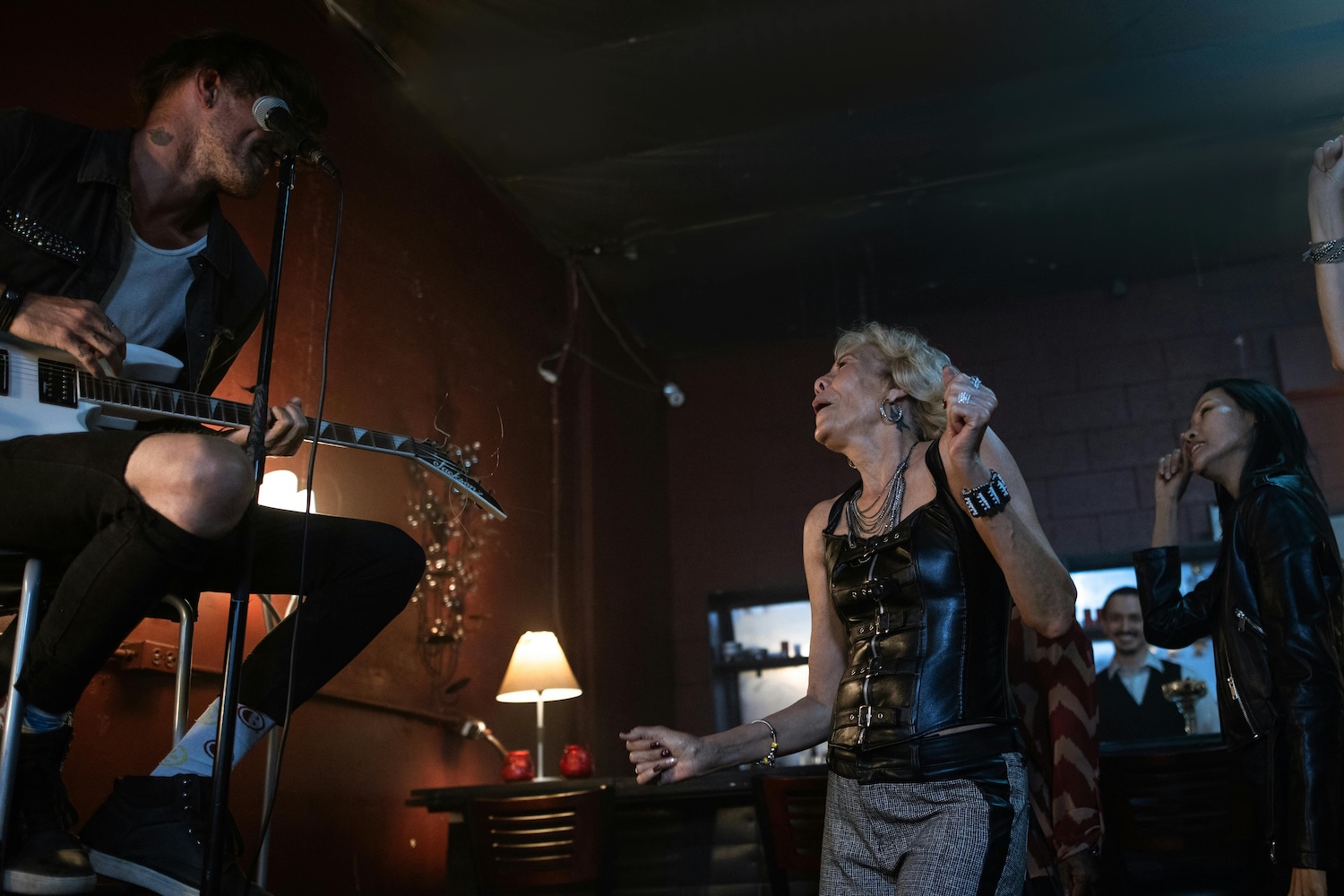
When bands play shows, audiences appear.
Technology has made it easier than ever to release music. But it has not made it easier to build an audience.
Audiences do not grow from streaming alone. They grow from relationships, collaborations, and living music communities.
That is why the next generation of music platforms will not only focus on distribution. They will focus on connecting people.
Because in the end, music is not just something that is released.
It is something that is experienced together.
Other blogs







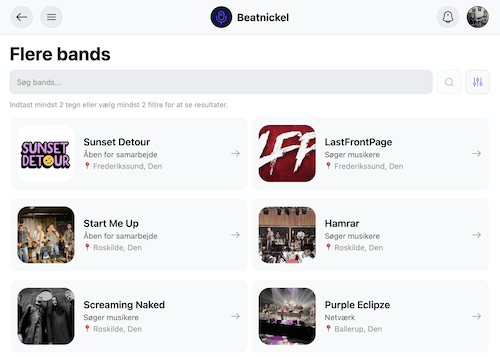
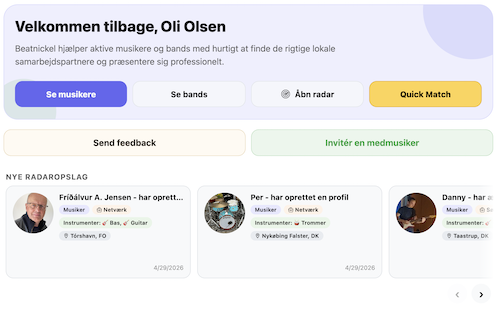




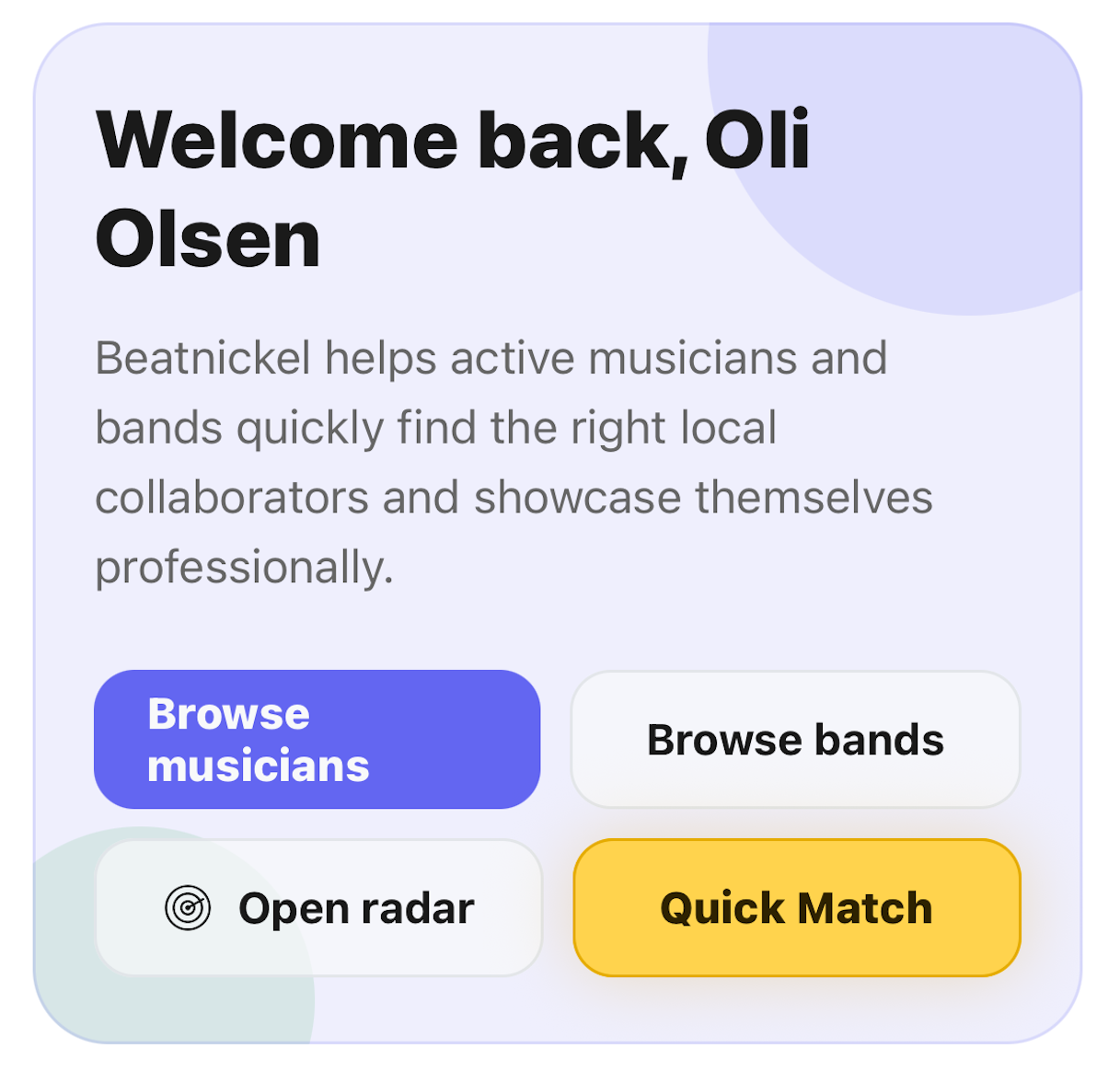

























Discover a platform built to connect musicians, simplify bookings, and fuel creative growth.
Find us on social networks


