
Soon available on


The music world lacks continuity between generations
Date:
26.3.2026
Author:
Oli Olsen
The music world lacks continuity between generations
Too often, young musicians are forced to start from scratch, while experienced musicians and industry professionals move in parallel circles. As a result, valuable knowledge, networks, and practical experience are not passed on when they could make the biggest difference. If the music world is to become stronger, more vibrant, and more sustainable, it needs better connections between generations.
The music world is full of talent, experience, and passion. Even so, there is a structural weakness that does not get enough attention. There is a lack of continuity between generations.
Many young musicians are, in practice, starting almost from zero. They rehearse, search for bandmates, try to find their direction, and spend a great deal of time figuring out the unwritten rules of the scene. How do you find the right collaborators. How do you judge whether a project is serious. How do you build a network. How do you move from the rehearsal room to your first shows, the right contacts, and more ambitious opportunities.
At the same time, there are many experienced musicians, teachers, producers, technicians, and industry professionals who already hold exactly the kind of knowledge that could help others move forward. The problem is that they often exist in parallel circles. They stay active in their own networks, their own projects, and their own generation. As a result, the meeting point between fresh energy and hard earned experience happens far too rarely.
The outcome is a music world where valuable knowledge is lost between generations. Not because anyone wants it that way, but because the structure around music does not do enough to support those connections.
When experience has no natural place to land
In many other industries, there are clearer transitions between generations. There are mentorships, professional environments, practical pathways, and more formalized networks. In music, much more is left to chance.
You meet someone at a concert. You hear about a project through a friend. You may find a musician in a Facebook group. Someone recommends you to someone else. All of this can work, but it does not necessarily create a lasting community across age, level, and experience.
That is why knowledge transfer often depends on luck. Some young musicians meet the right people at the right time and get a push forward. Others do not. The same is true for experienced musicians who would like to share their knowledge or enter new collaborations, but who lack a place where this can happen naturally and without too many barriers.
When experience has no clear place to land, it remains trapped in small closed circles. And when young musicians do not gain access to it, their path becomes longer and more uncertain than it needs to be.
Young musicians need access, not only inspiration
People often say that young musicians need inspiration. That is true, but inspiration alone is not enough. They also need access.
Access to people who have already been through the same situations. Access to relationships that are not only about likes, followers, or surface level visibility. Access to an environment where they can see how others have built their musical lives, and where they can be met as musicians with potential.
This is not about young people copying the older generation. On the contrary, new generations bring new expressions, new ways of working, and new ambitions. But development becomes stronger when it does not happen in isolation. When young musicians only reflect themselves in people their own age, they lose access to important experience. When experienced musicians only stay among other experienced people, they lose contact with new ideas and emerging movements.
The strongest music world is created when both sides meet.
Experienced musicians also need new connections
This is not only a problem for the young. Experienced musicians and professionals can also become locked into fixed patterns. They already know people. They work with the same contacts. They get opportunities through established relationships. That is understandable, but it can also lead to stagnation.
New generations often bring something the established environment needs. New genres. New ways of collaborating. New ways of thinking about careers, production, and visibility. When experienced people do not have natural contact with younger musicians, they lose something too. They lose new impulses, fresh energy, and access to what is beginning to grow.
Continuity between generations is therefore not only helpful for the young. It is a strength for the entire music world. It makes the environment more vibrant, more curious, and more sustainable.
The music world needs a shared structural space
If the problem is structural, the solution must also be structural. It is not enough to hope that generations will meet by chance. There must be spaces where that meeting becomes natural.
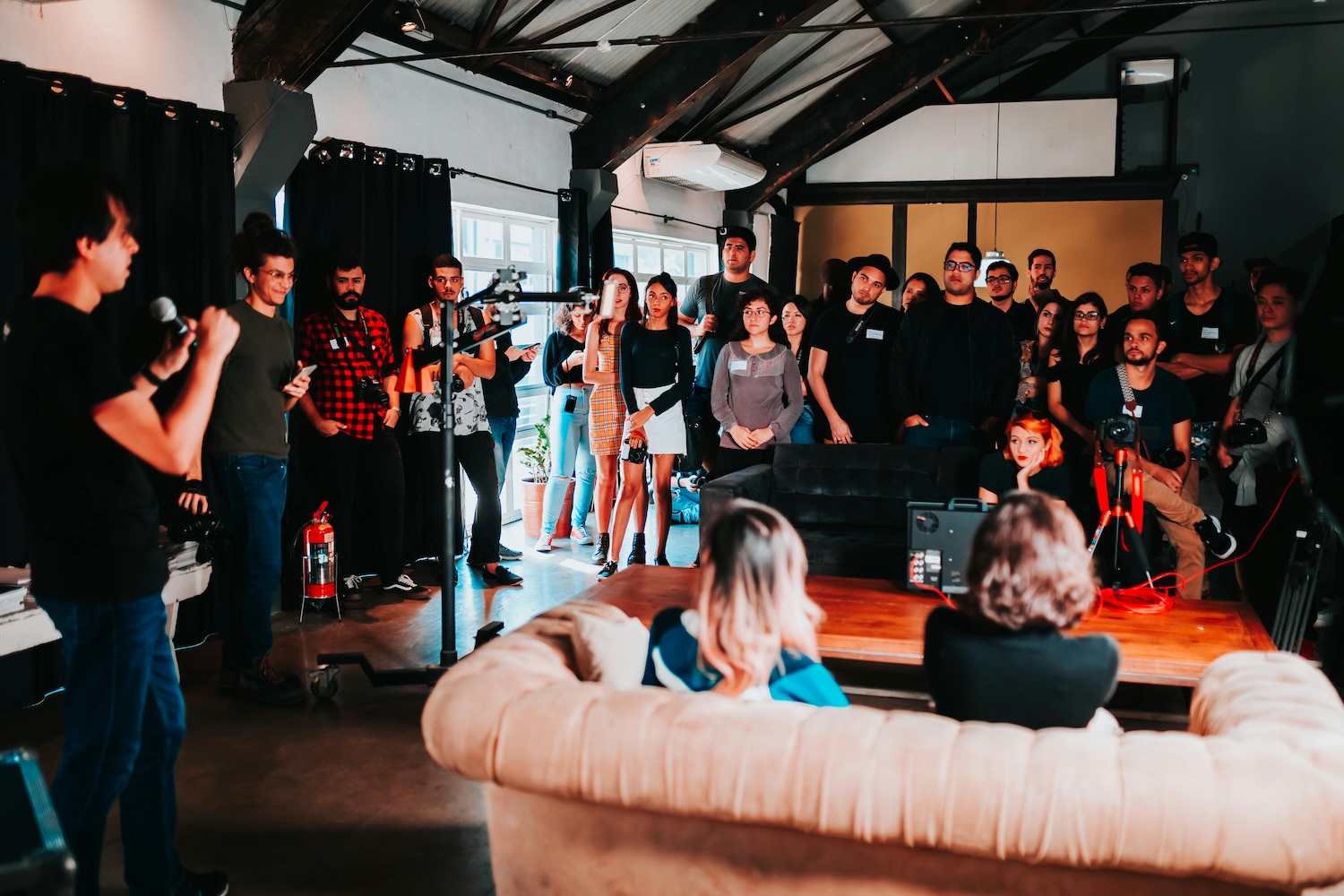
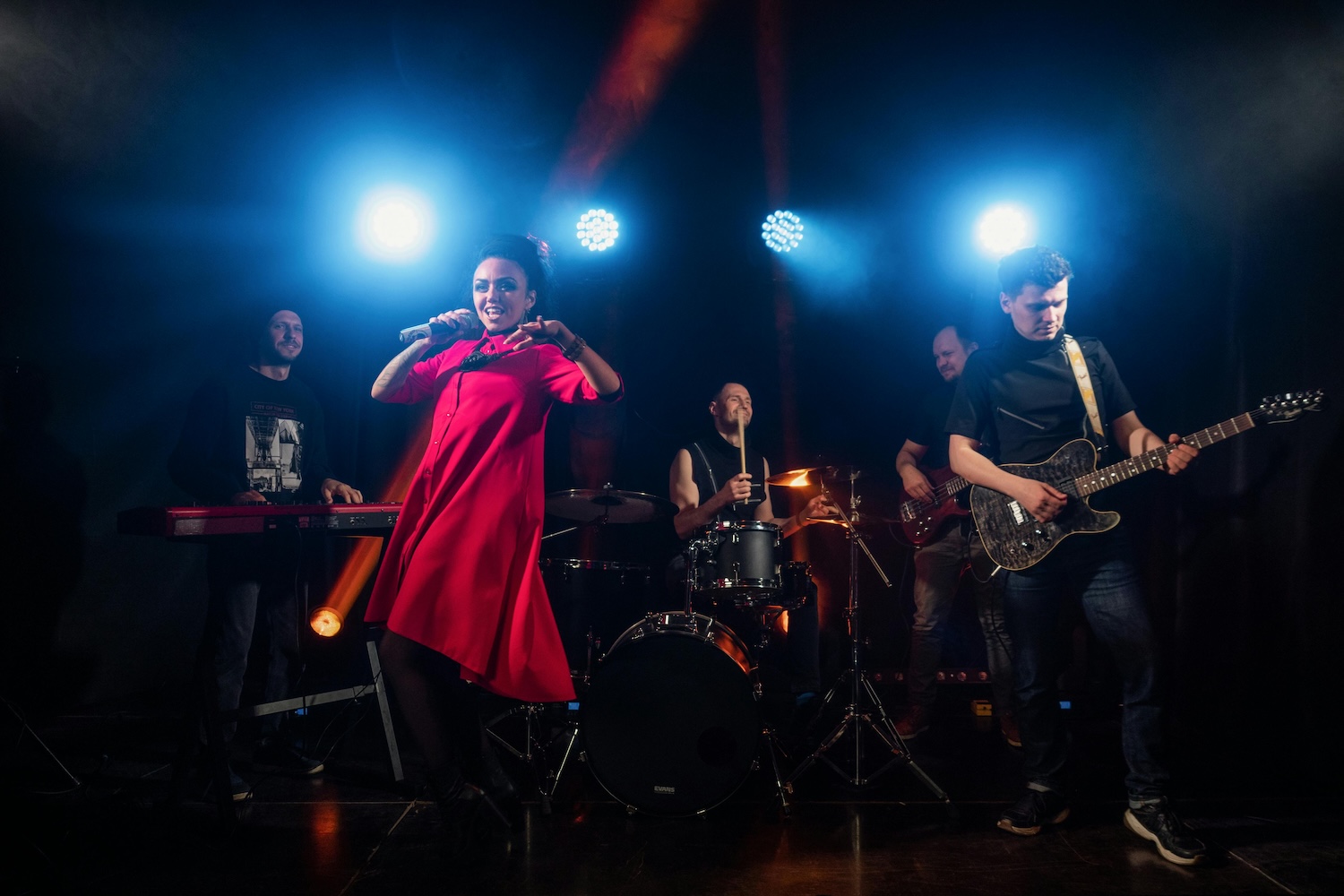
A strong music environment needs places where young musicians, amateurs, and professionals can exist side by side without being separated into completely different worlds. Not because everyone needs the same thing for the same reason, but because it should be possible to discover one another, learn from one another, and build relationships across different levels and stages of life.
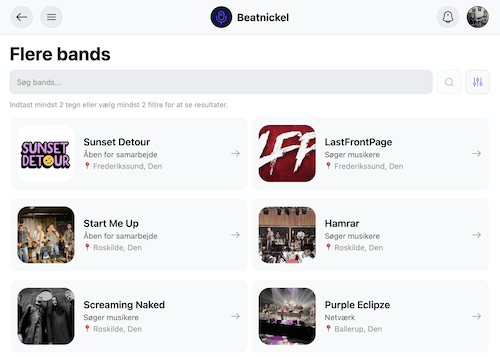
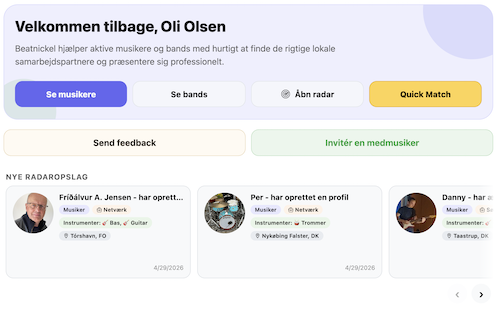
This is where Beatnickel points to an important opportunity. When young musicians, amateurs, and professionals become part of the same structural space, better conditions for continuity begin to emerge. Experience becomes more visible. Networks become easier to access. New ideas have more places to land. Collaborations can grow more organically.
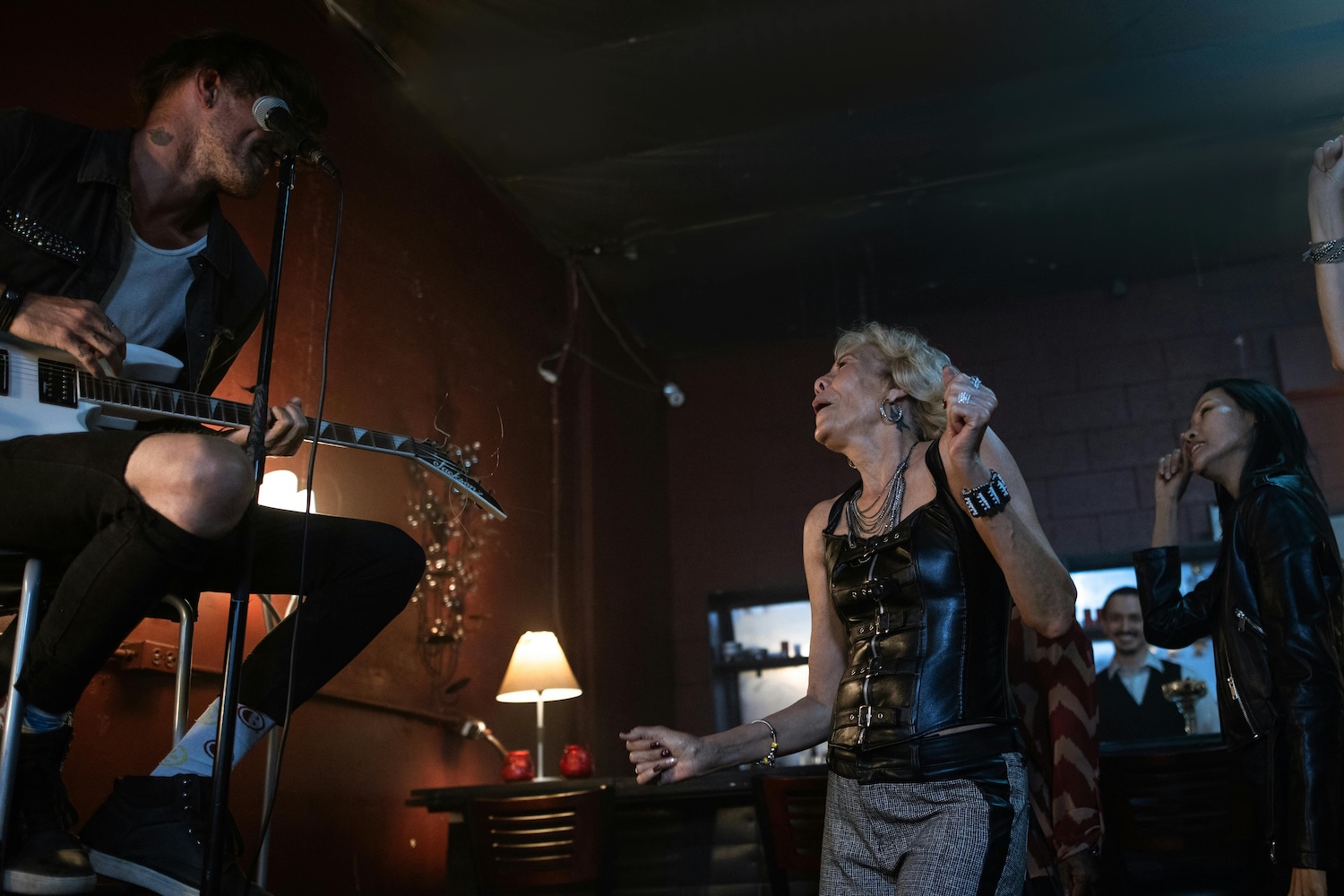
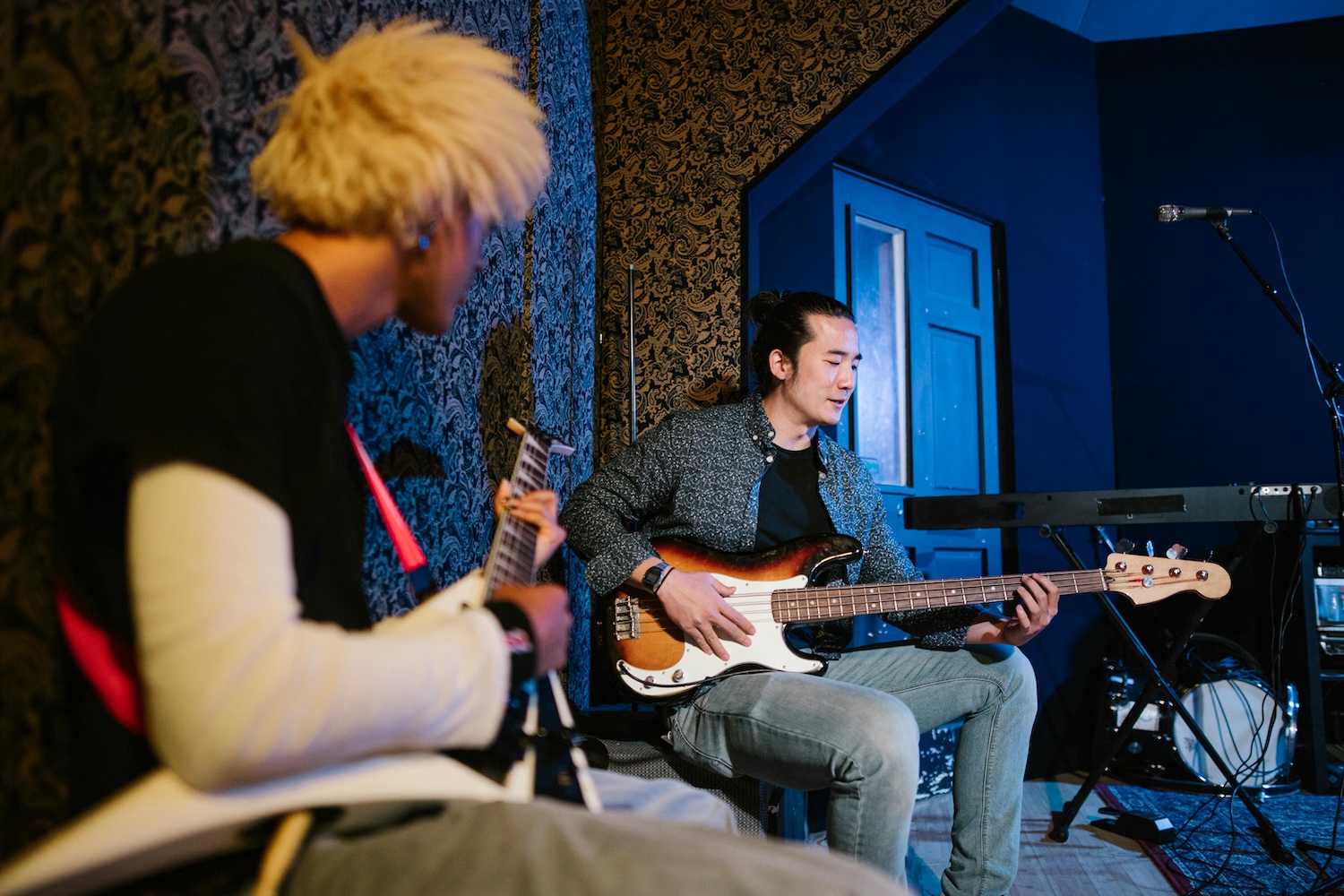
This is not only about finding a band or a musician. It is also about building bridges between people who otherwise might never have met. A young musician can discover an experienced profile and better understand what the next step could be. An established musician can discover new talent, new collaborations, or new perspectives. An amateur can find the confidence to take the next step. A professional can discover new connections in the local music scene.
When these meetings become easier, knowledge stops disappearing between generations. Instead, it begins to move.
A stronger music world is built through connections
The music world is often described as being driven by passion, talent, and hard work. That is true. But it only becomes truly strong when there are also real connections between people.
Without those connections, each generation becomes more isolated than it needs to be. Young musicians lack entry points. Experienced people miss new encounters. The environment loses coherence. And the overall development becomes weaker than it could be.
That is why the question is not only how we get more people to make music. The question is also how we make the music world more connected over time. How we make it easier for experience to be shared. How we make it natural for new and experienced voices to meet in the same space.
That is where much of the future strength of the music world lies.
The music world loses something important when generations develop separately. Young musicians end up starting from scratch, while experienced musicians often move in parallel circles. This means that knowledge, networks, and experience are not shared in the way they should be.
A stronger music world requires more than talent and ambition. It requires structure, continuity, and connections across age and experience. When young musicians, amateurs, and professionals meet in the same space, it becomes easier to learn, collaborate, and grow together.
That is exactly why continuity between generations is not a small detail. It is a condition for a more vibrant, open, and sustainable music world.
Other blogs














































Discover a platform built to connect musicians, simplify bookings, and fuel creative growth.
Find us on social networks


