
Soon available on


The Algorithm Decides More Than the Audience
Date:
3.3.2026
Author:
Oli Olsen
The Algorithm Decides More Than the Audience
Music is increasingly shaped by platform logic. Length, structure, and expression are optimized for algorithms rather than for people. The real question is: who are we actually making music for?
There was a time when a song was allowed to take the time it needed. An intro could unfold slowly. A mood could build gradually. A track could grow at its own pace if that was what the story required.
Today, many songs begin with the chorus within seconds. They rarely exceed two or three minutes. Not necessarily because artists want it that way, but because platform algorithms reward it. Listener retention must stay high. Skips must be avoided. Engagement must be optimized.
Music is no longer shaped only by artistic intention. It is shaped by data.
When the Format Is Controlled from the Outside
Algorithms favor certain structures. A quick hook. A recognizable sound. A clear genre identity. Over time, this creates subtle uniformity, where many artists adapt unconsciously in order to gain visibility.
This does not only affect established professionals. Amateur and emerging musicians quickly learn the rules of the game as well. If you want to be discovered, you have to play along.
But when format is dictated by an invisible mechanism, the focus shifts. Instead of prioritizing the relationship between artist and audience, artists begin prioritizing their relationship with the platform.
From People to Metrics
Instead of asking what the audience needs, many artists ask what the algorithm rewards. Should the intro be shorter. Should the tempo be higher. Should the release schedule be fragmented into smaller pieces to keep momentum alive.
Visibility is easily mistaken for connection. Reach becomes more important than relationships. Numbers become more important than trust.
Technology itself is not the problem. The problem arises when technology becomes the primary judge of value.
Who Is the Music Really For
When music is primarily optimized for platforms, it risks losing part of its humanity. Not because artists lack depth, but because incentives pull them in a specific direction.
The question is not whether digital platforms should be used. That would be unrealistic. The question is whether there are spaces where relationships and collaboration matter more than algorithmic exposure.
That is where a different approach becomes essential.
The Beatnickel Advantage
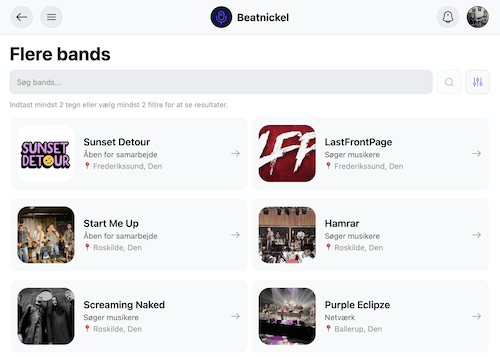
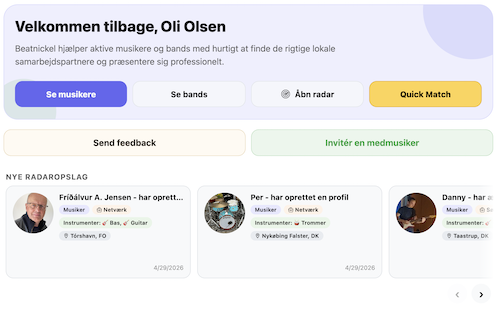
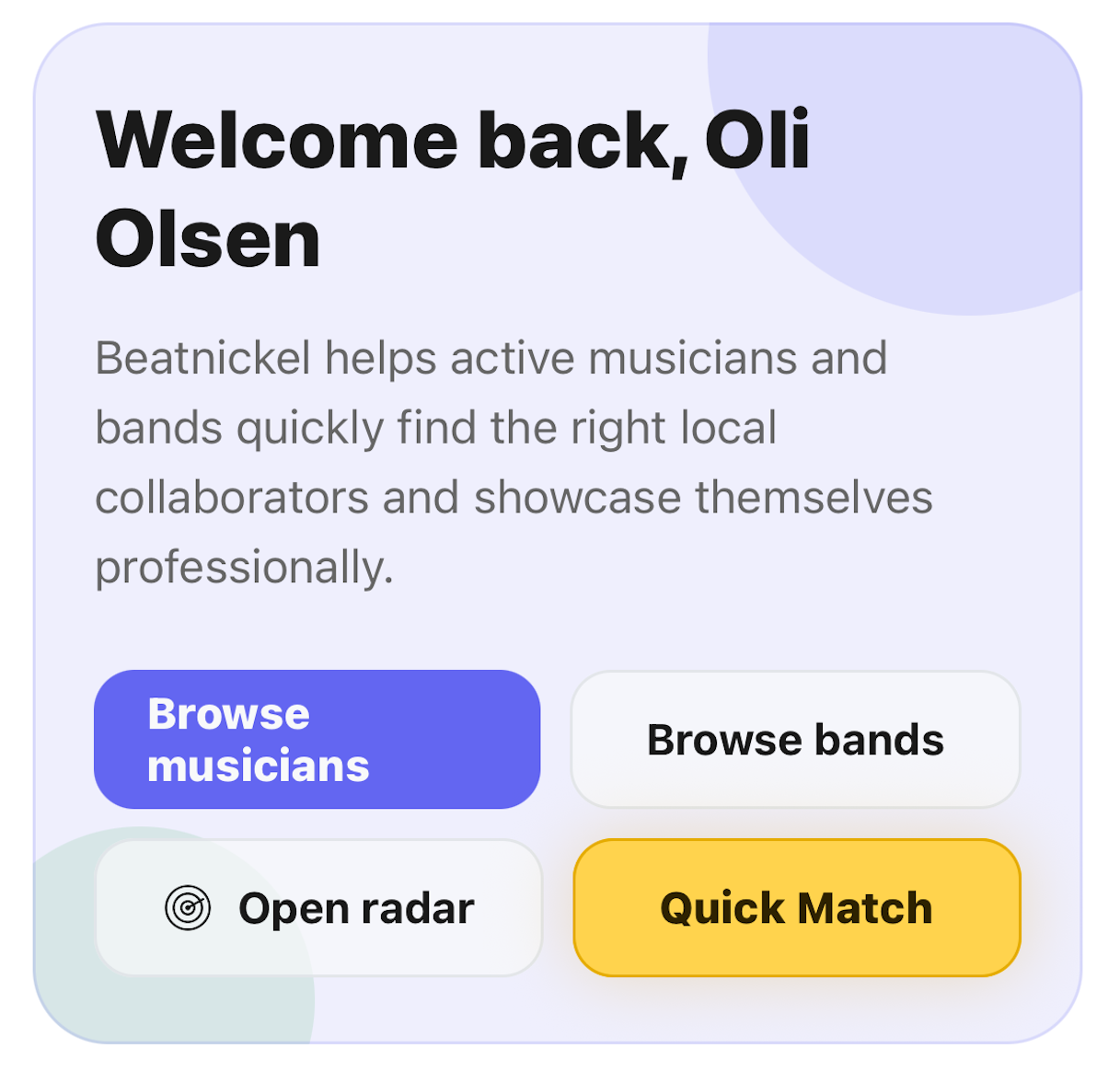
Beatnickel prioritizes relationships over reach. Visibility does not come from chasing likes or short term engagement. It comes from concrete activity, clear profiles, and relevant matches.
When a musician finds a band.
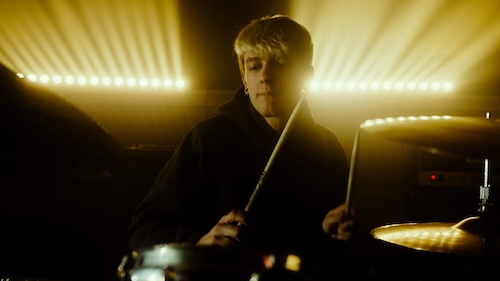
When a band finds a drummer.
When collaborations happen because ambitions and needs align.
Here, the algorithm is a tool for connection, not a judge of creativity. The focus is on people, roles, and shared projects. Not on keeping someone scrolling in a feed.
Visibility should mean being relevant to the right people, not being seen by as many as possible.
Algorithms have become a powerful force in modern music life. They can help distribute music, but they should not define its form or purpose.
If music is to maintain its depth and uniqueness, human relationships must once again be central. Music is born in the meeting between artist and audience, between musicians in a rehearsal room, between ambition and community.
The question is not whether the algorithm exists. The question is who decides.
Other blogs




































Discover a platform built to connect musicians, simplify bookings, and fuel creative growth.
Find us on social networks


