
Soon available on


The music world talks about community, but organizes itself individually
Date:
17.3.2026
Author:
Oli Olsen
The music world talks about community, but organizes itself individually
The music industry loves words like community, network, and connection. Yet many of the digital platforms musicians and bands use are still built around the individual, personal visibility, and competition. That creates a contradiction between what we say the music world is and how we actually organize it. Beatnickel wants to do something different. Here, the focus is not only on the individual, but on relationships, collaborations, and real musical projects.
Music is rarely created alone
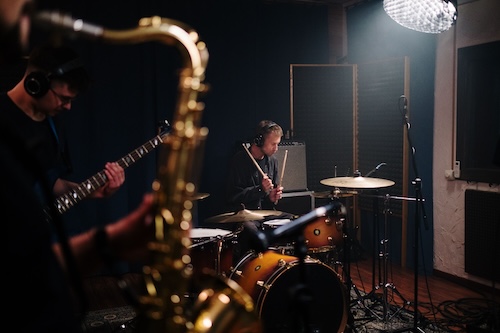
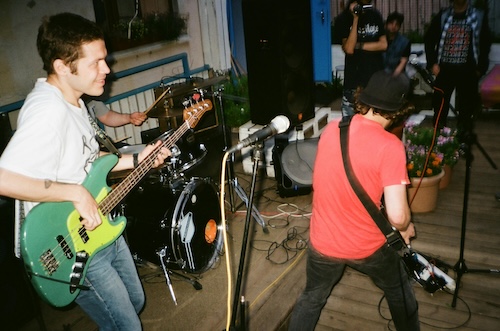
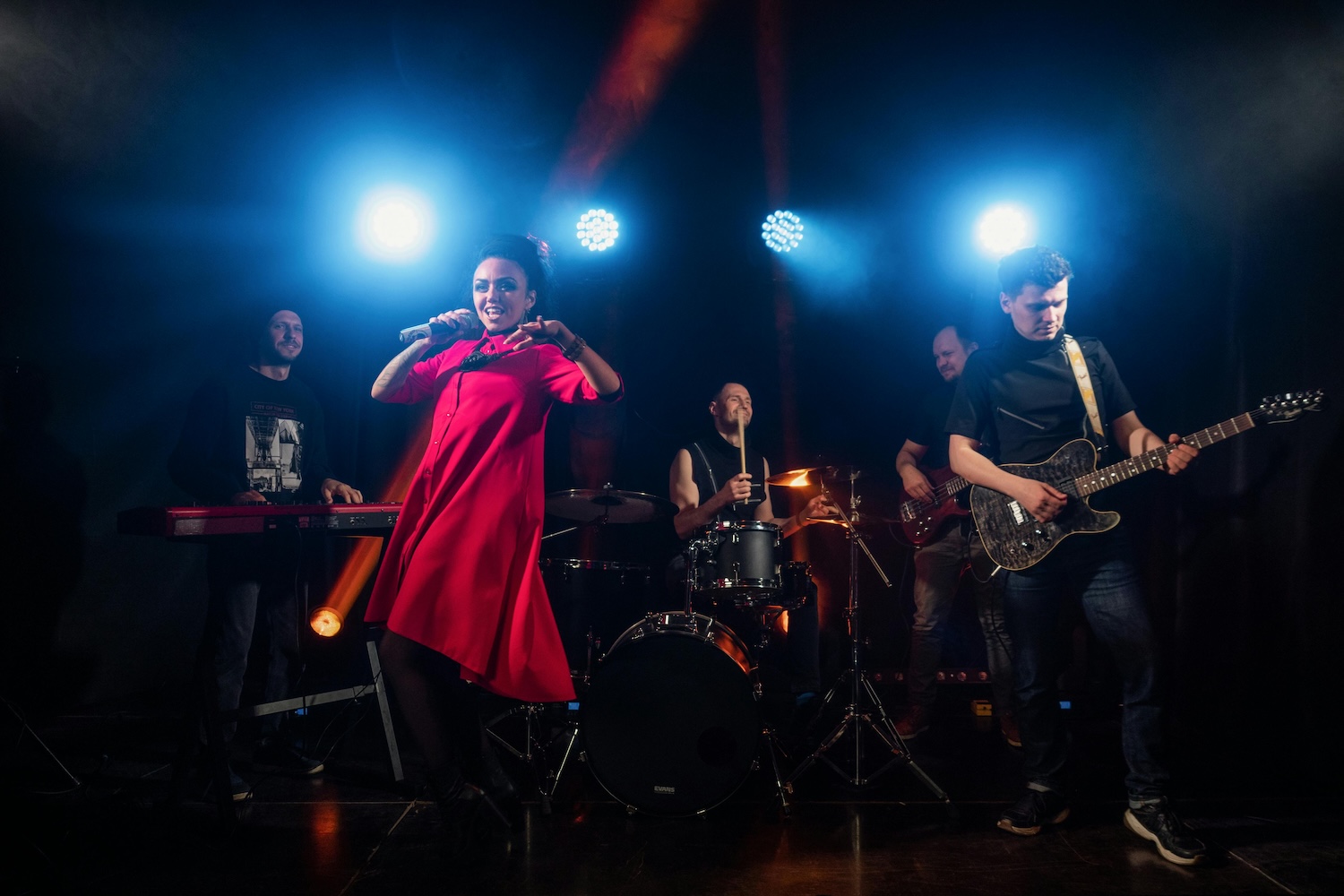
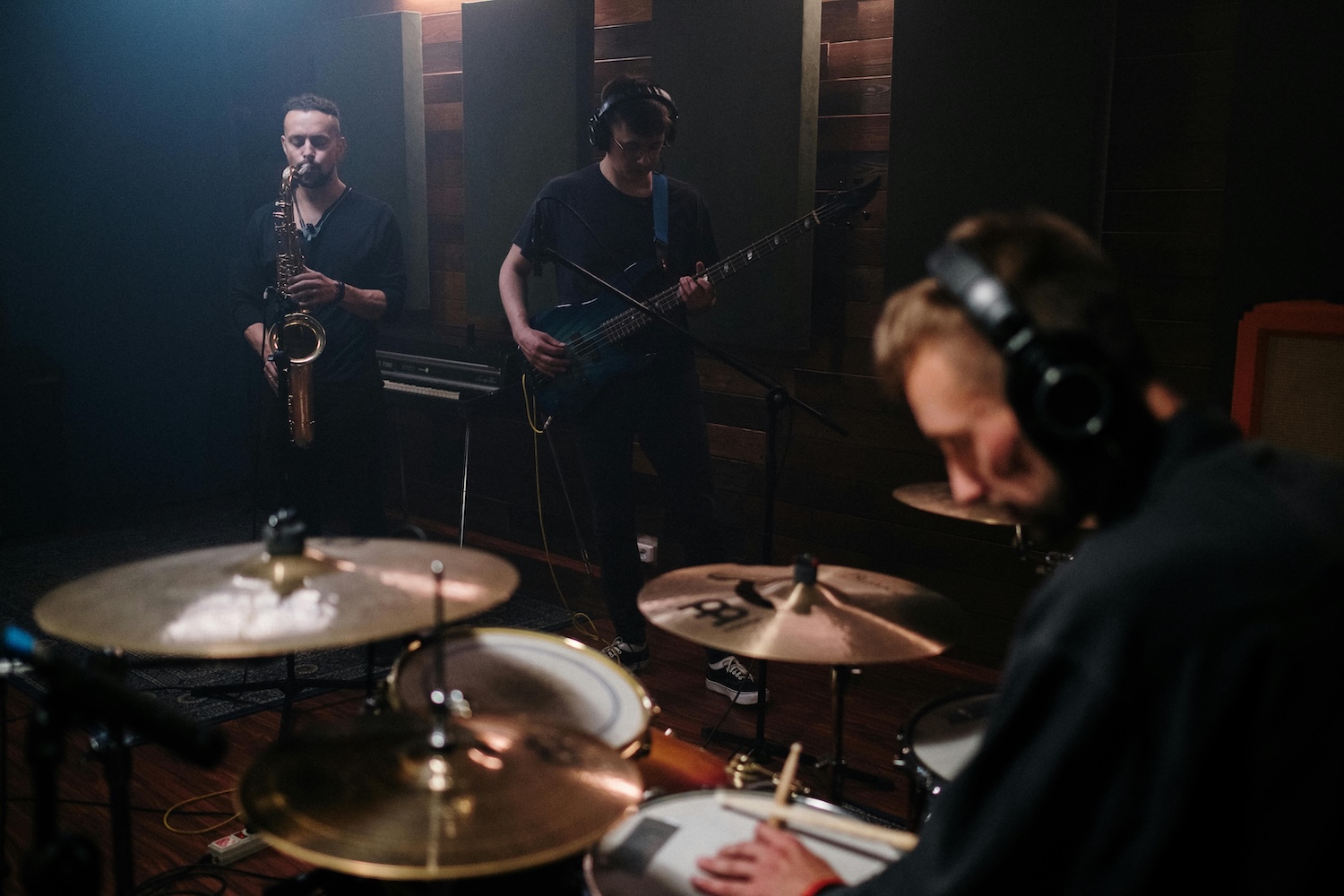
Music is social by nature. Songs are written together. Bands are formed between people. Live shows depend on chemistry and coordination. Recordings are built on trust, timing, and collaboration. Even solo artists rely on others around them, whether that means producers, musicians, engineers, managers, or promoters.
Still, many of the platforms used in music today are centered around individuals. Each person is expected to present themselves, promote themselves, and compete for attention. The profile picture, the personal bio, and the individual spotlight become the main focus. Relationships come later, if they are visible at all.
That is a strange way to structure an environment that depends so heavily on collaboration.
Community as an ideal, individualism as a structure
Almost no one in music would say that music is not about community. Quite the opposite. People constantly talk about being part of something bigger. About creating together. About finding the right people. About joining a scene where people support and inspire each other.
But when that sense of community is translated into digital tools, it is often reduced to individual profiles in a directory. Every person stands alone and tries to be chosen. Every profile becomes a small island with its own images, descriptions, and ambitions. It may look like a network, but it often feels more like a competition space.
That means musicians are presented as isolated units, even when their real value emerges in relation to others. A band is not just the sum of four profiles. A project is not just a list of names. Musical chemistry, shared direction, and the ability to work together matter deeply, but they are rarely reflected in the systems we use.
Platforms shape behavior
Digital platforms are not neutral. They influence the way people think and act. When a platform mainly highlights the individual, users also begin to act more individually. They focus on their own profile, their own visibility, and their own positioning.
That can create a culture where musicians spend more energy trying to appear attractive as individuals than building strong relationships. It can also make it harder to understand who works well together, who is already active in a project, and which collaborations are actually taking shape.
The result is often that the community everyone talks about never gets a real structure. It becomes something people hope will happen, rather than something the platform actively supports.
The music world needs relational infrastructure
If we truly mean it when we talk about community in music, then good intentions are not enough. We need infrastructure built for relationships, not just exposure.
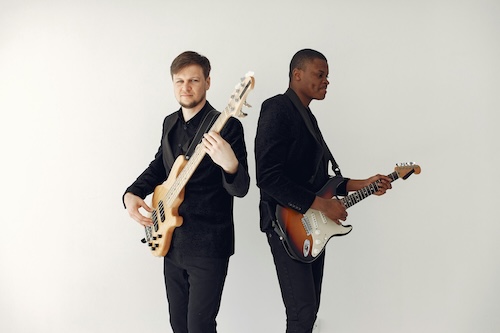
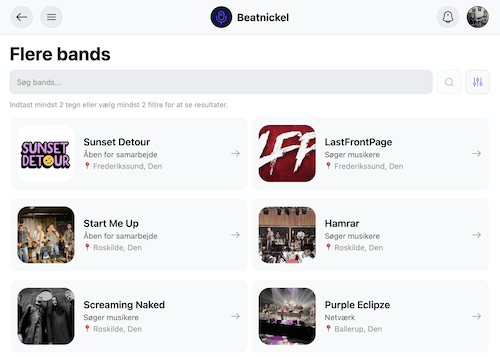
That means bands should be visible as clear entities in their own right. It means projects should be able to exist as more than a loose collection of individual profiles. It means collaborations should be discoverable, understandable, and easier to build in a way that reflects how music actually happens.
A strong music ecosystem is not created only because many individuals are present. It is created because the connections between them become strong, visible, and useful.
Beatnickel wants to organize music the way it really works
This is where Beatnickel is different. Beatnickel starts from the idea that the music world is not only made up of individuals, but of relationships between people. That is why the platform is not only about showcasing the individual musician. It is also about structuring bands, projects, and real collaborations.
That changes everything.
When a band has its own clear place, it becomes easier to understand the whole picture. When relationships between musicians become part of the structure, it becomes easier to see how people actually work together. When real projects and collaborations become visible, the platform becomes far more relevant for people who genuinely want to create something with others.
It creates a more honest picture of the music world. Not as a competition between isolated individuals, but as a living network of people building something together.
From exposure to interplay
Many platforms reward attention. Beatnickel has the potential to reward interplay. That is an important difference. Musicians are not only interested in being seen. They want to find the right people to play with, write with, rehearse with, record with, and grow with.
When platforms are built around real collaboration instead of self presentation alone, they become more useful. They stop being just a place where people show themselves. They become a place where things can actually happen.
That is also how community becomes more than a slogan. It becomes something practical and real.
The music world often talks about community, but many of the structures we use are still built around the individual. That creates a basic mismatch between the culture we celebrate and the tools we actually rely on. If music is to be organized in a way that reflects reality, we need platforms that put relationships, bands, and collaborations at the center. Beatnickel points in that direction by building a structure where music is not only about who you are alone, but about who you create with.
Other blogs


































Discover a platform built to connect musicians, simplify bookings, and fuel creative growth.
Find us on social networks


