
Soon available on


Professional musicians are caught between art and livelihood
Date:
24.3.2026
Author:
Oli Olsen
Professional musicians are caught between art and livelihood
Being a professional musician is not only about talent, passion, and artistic vision. It is also about finances, collaboration, visibility, and the ability to navigate a reality where art and business constantly collide. For many musicians, that balance is difficult and often deeply lonely.
For many professional musicians, the dream begins with a love of music. It starts with the desire to create, to express something real, and to find a personal artistic voice. But the further you move into music as a profession, the clearer it becomes that talent alone is rarely enough.
Modern music life places heavy demands on professional musicians. It is not enough to be highly skilled on your instrument or a strong songwriter. You also need to build relationships, understand your place in the market, present yourself professionally, and enter collaborations that make sense both artistically and financially.
That is where the pressure begins. How do you stay true to your artistic integrity while also paying the bills, investing in equipment, spending time on promotion, and choosing projects that may not feel close to your heart but provide income? It is a reality that many professional musicians know all too well.
When art meets reality
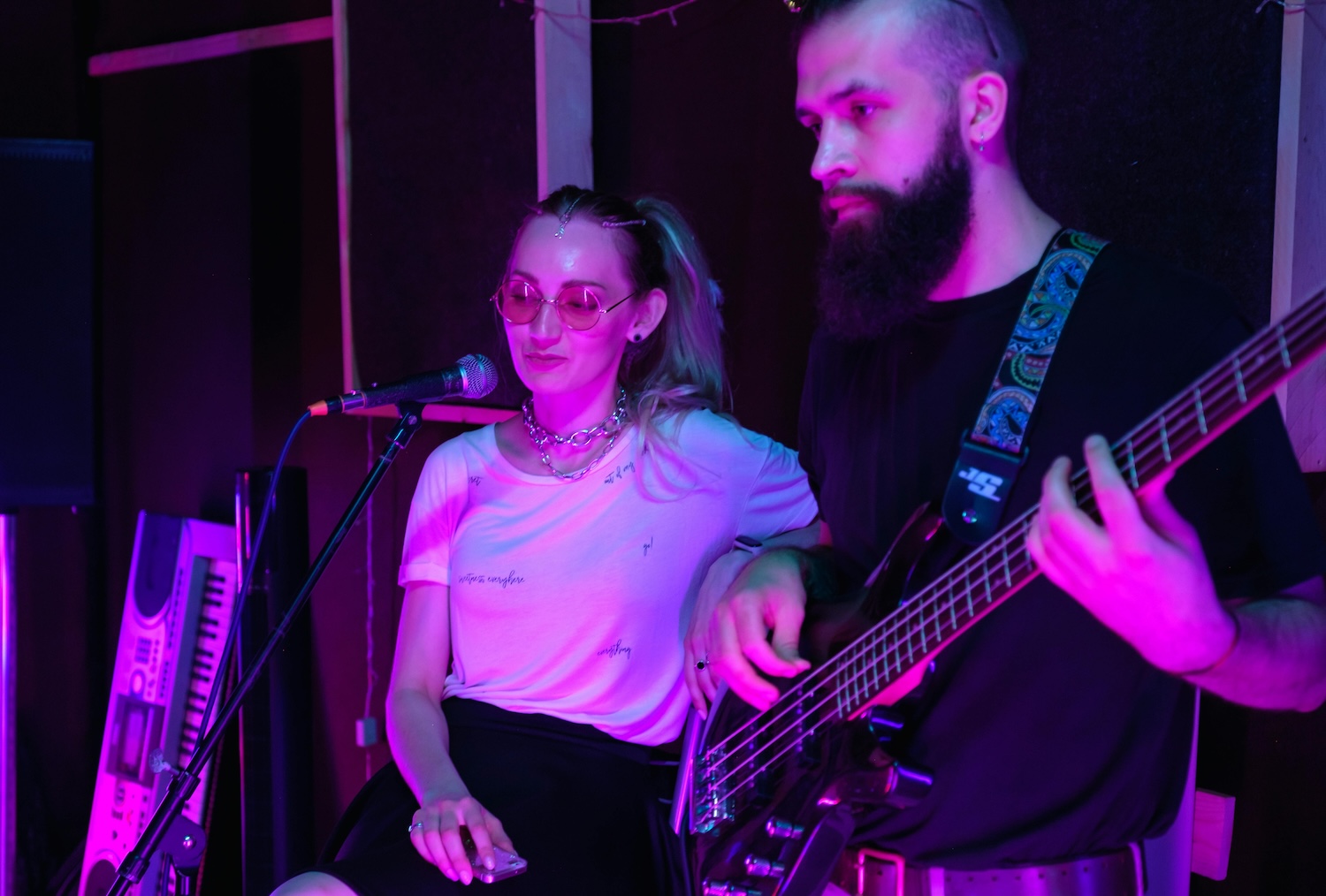
Many professional musicians live in a constant tension between what they care deeply about and what they can actually make a living from. Some perform original material and dream of creating something personal and lasting, while also taking on other work to make ends meet. Others build a career as session musicians, teachers, musical directors, or performers in commercial projects alongside their own artistic work.
There is nothing wrong with that. In fact, it often reflects flexibility and strength. The problem begins when that balance becomes unclear, isolating, and difficult to navigate. When musicians do not know which collaborations truly fit their ambitions, values, and financial needs, they risk ending up in situations that drain more energy than they create.
The loneliness of making the right choice
One of the hardest parts of professional music life is that the choices often feel deeply personal. Should you say yes to a project because it offers visibility, even if it does not feel artistically right? Should you join a collaboration that is financially solid but offers little creative freedom? Should you choose stability over artistic risk?
Many musicians face these questions alone. It is not always a lack of opportunities that holds them back. More often, it is a lack of clarity and transparency. Who is looking for what? Who works professionally? Who shares the same level of ambition? Who is seeking artistic depth, and who is looking for more commercial collaborations?
When you do not have a clear picture of the people and projects around you, it becomes much harder to make strong decisions. That creates uncertainty and can ultimately cost both energy, motivation, and income.
A music life with more than one path
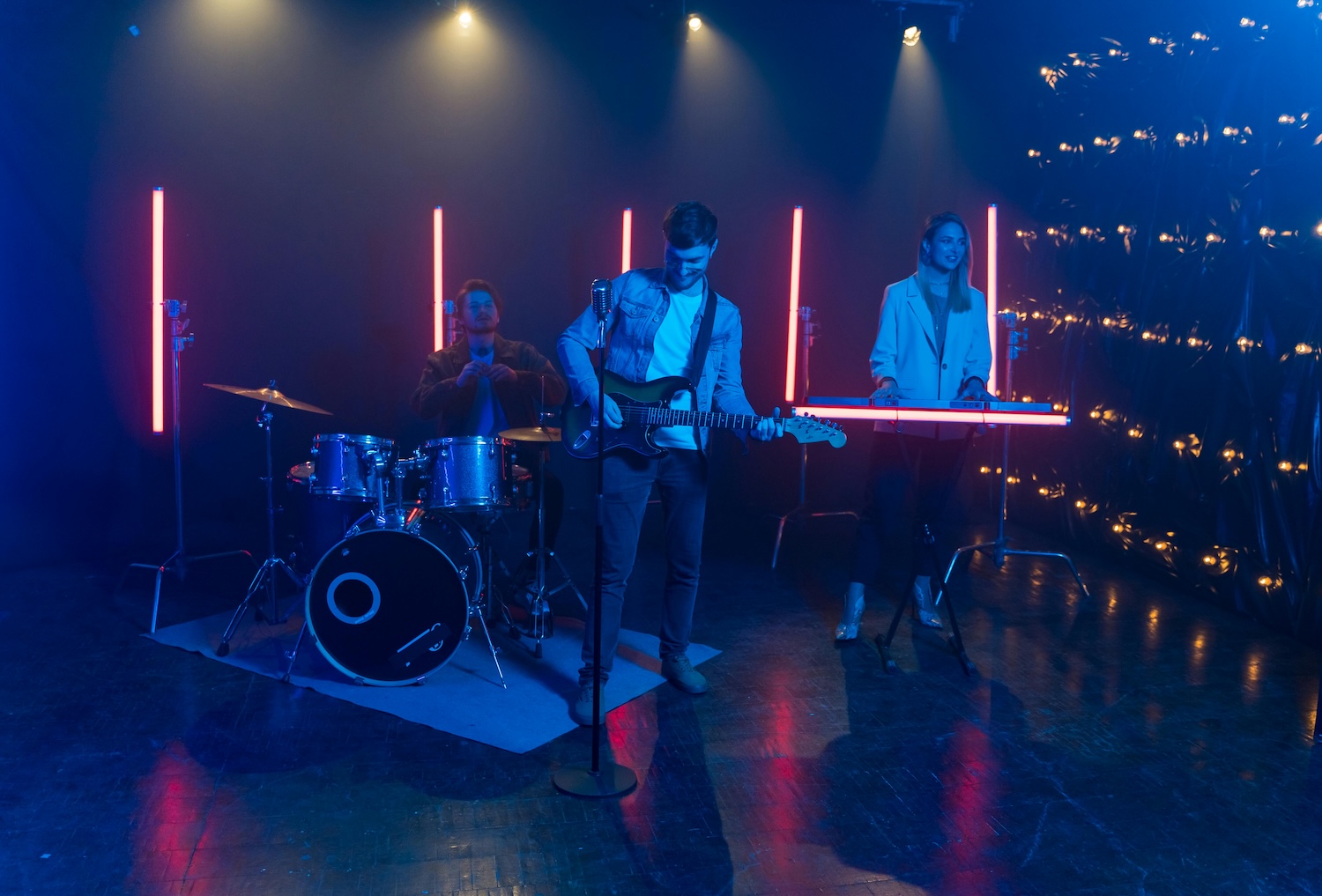
There is no single path in professional music life. There are many ways to build a career as a professional musician. Some focus on original releases and live performances. Others create a stable working life through freelance work, teaching, production, or long term collaborations. Many combine all of these.
It matters that this diversity becomes visible. The clearer it is what kinds of musicians, bands, and collaborators are out there, the easier it becomes to find the right match. Not only musically, but also personally, professionally, and financially.
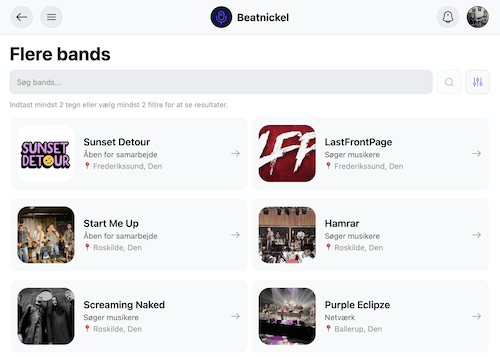
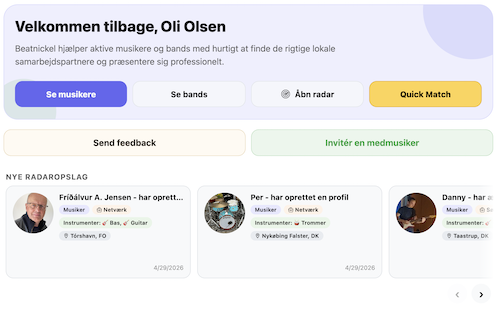
This is where a platform like Beatnickel can make a real difference. When different profile types, ambitions, and collaboration styles are clearly visible, it becomes easier for professional musicians to navigate their options. That creates better opportunities to choose partners who match both artistic goals and economic realities.
When the right collaboration changes everything
The best collaborations rarely happen only because of genre or technical skill. They also happen when people share expectations, ways of working, levels of ambition, and a common understanding of what the music is meant to achieve. A professional musician needs more than just a job or a network. They need relationships built on clarity and mutual understanding.
When you know what others stand for and what they are looking for, it becomes easier to find collaborations that last longer and create more value. That brings greater calm and direction to an industry that is often shaped by chance and uncertain connections.
Professional musicians today live under constant pressure between art and livelihood. They must remain true to their artistic identity while navigating an economic reality that demands clarity, strategy, and resilience. It is a difficult balance, and it can feel lonely.
That is why music life needs better structures for transparency, relationships, and collaboration. When professional musicians can more easily see who matches their ambitions, values, and way of working, they are in a stronger position to make good decisions. Not only for their careers, but for their art as well.
Other blogs
















































Discover a platform built to connect musicians, simplify bookings, and fuel creative growth.
Find us on social networks


