
Soon available on


Young musicians need a safe digital space for music
Date:
21.3.2026
Author:
Oli Olsen
Young musicians need a safe digital space for music
Many young musicians experience social media as harsh, fast moving, and highly exposing. When everything is measured in likes, views, and other people’s reactions, it can weaken the confidence to reach out, share unfinished work, and seek musical communities. That is why a different kind of digital space is needed. A space where the focus is on music, relationships, and development rather than performance and visibility.
Social media is not always built for vulnerable growth
For many young people, social media is a natural part of everyday life. It is where they find inspiration, follow artists, and share parts of their lives and interests. But social media is rarely designed for the part of musical life that is about still becoming.
When you are a young musician, you are often still finding your sound, your level, and your direction. You may be curious about starting a band, finding someone to write with, or simply meeting others who understand your musical world. At that stage, it can be difficult to step forward in a digital environment where so much revolves around appearing polished, confident, and interesting right away.
That means some young people hold back. Not because they lack talent or desire, but because the space feels too exposed. They do not dare to message first. They do not dare to share something unfinished. They do not dare to say out loud that they are looking for people to play with.
Music grows through relationships
Music rarely develops in isolation. Even when songwriting or practice begins alone, many musicians grow faster and stronger through connection with others. It is through playing together that chemistry appears, new skills are learned, and people discover what they can contribute.
That is why relationships matter so much in music. But relationships require a space where it feels natural to make contact. If the digital framework is mainly about being seen, judged, and compared, it becomes harder to build the kinds of connections that musical life actually depends on.
Young musicians need a place where it is legitimate to still be developing. A place where you do not need to have everything figured out before joining in. A place where it feels normal to ask, explore, introduce yourself, and take the first steps into a musical community.
Safety creates courage
When young people feel safe, they usually dare more. They dare to reach out to other musicians. They dare to talk about what they dream of. They dare to say that they are looking for a band or that they want to grow together with others. That kind of safety is not the opposite of ambition. It is often the foundation that allows ambition to grow.
Too many young people experience digital environments as places where they are quickly measured and judged. That can make them wait longer, hide more, and doubt whether they have anything to offer at all. That is a loss, both for the individual and for musical life as a whole.
There are many young people with desire, ideas, and potential who never truly get started because they lack a framework where it feels safe to take the first step.
Beatnickel points toward a different kind of platform
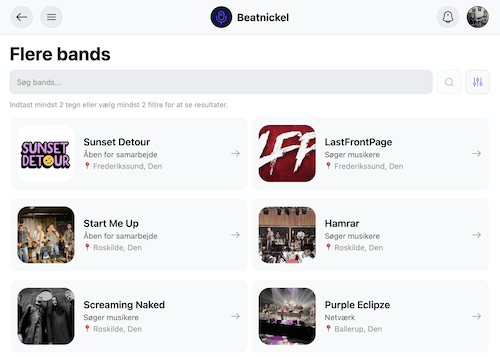
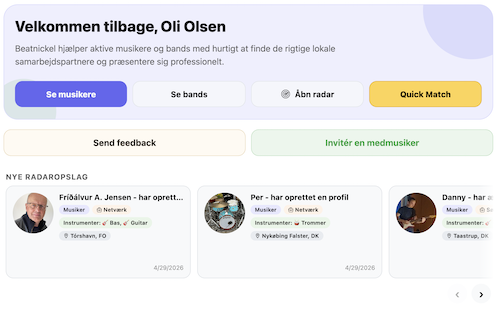
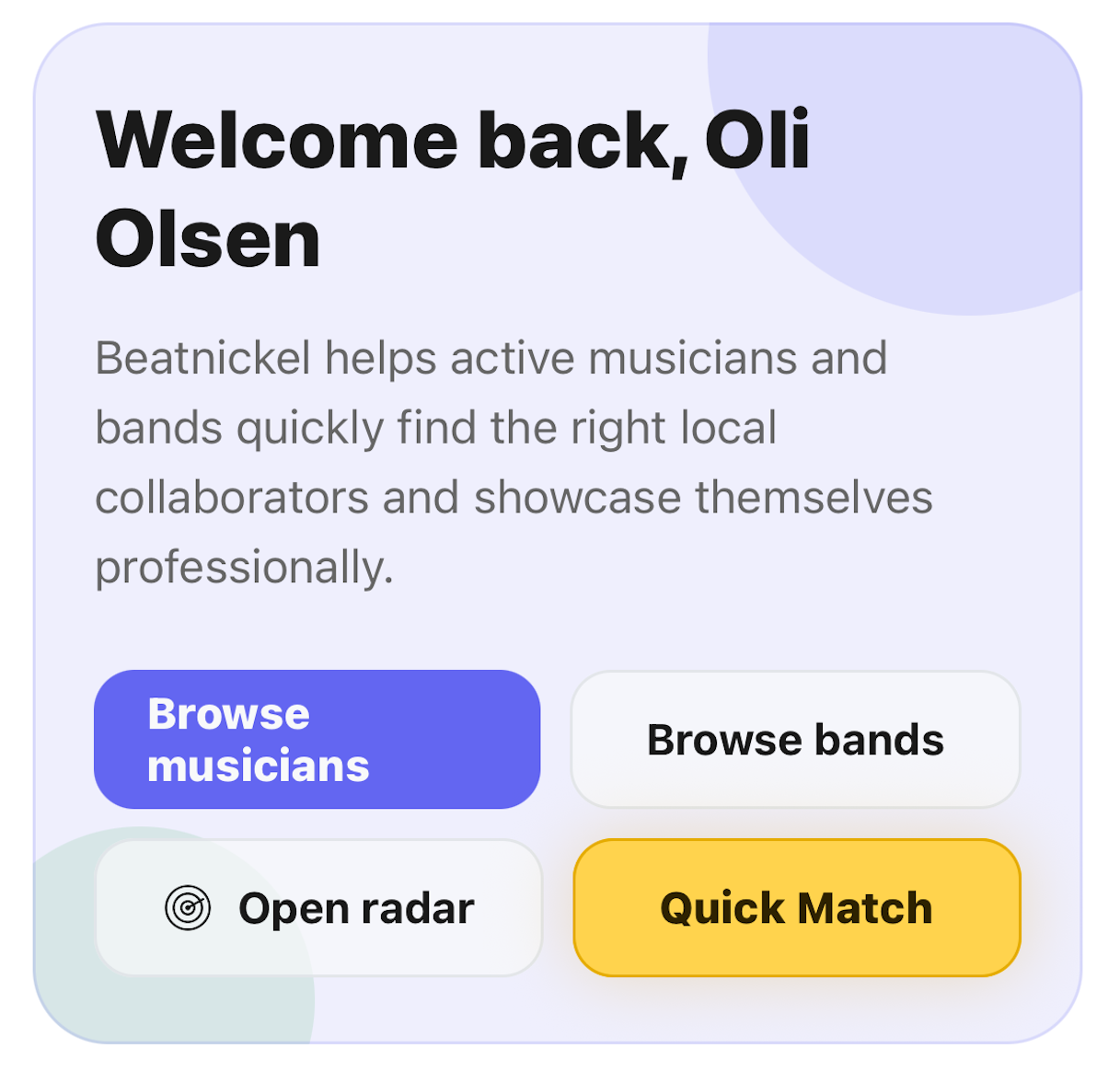
Beatnickel is interesting because it does not follow the classic social media logic. It is not built around likes, personal exposure, and the constant chase for attention. It is built around music, relationships, and real connections between people who want something from their musical lives.
That changes the tone of the space. When the context is musical, professional, and relational, it becomes easier to participate as a musician. The focus shifts from how you appear to what you play, what you are looking for, and who you might create something meaningful with.
That makes particular sense for young musicians. They need digital frameworks where they can present themselves in a musical context and meet others on that basis. Not as content creators, but as musicians. Not as profiles competing for visibility, but as potential collaborators in a community.
From exposure to development
There is a big difference between a digital environment that rewards exposure and one that supports development. In the first, people quickly learn to think about how they are perceived. In the second, what matters more is who they can play with, learn from, and grow alongside.
If we want to strengthen young musicians’ path into musical life, we need to take that difference seriously. We need to create spaces where people do not have to prove their worth before they are allowed to belong. We need digital communities where it feels natural to be curious, emerging, and still on the way.
This is exactly where Beatnickel can make a difference. By offering a dedicated music space where the goal is not to collect attention, but to create meaningful connections between people with shared musical interests and ambitions.
Young musicians do not necessarily need more platforms. They need better digital frameworks. Social media can be powerful for visibility, but it is rarely good at supporting vulnerable growth, new musical relationships, and those first careful steps into a community.
That is why there is a need for digital music spaces where the context is safe, relevant, and relational. Spaces where young musicians can reach out, meet others, and grow without constantly feeling measured. Beatnickel represents that idea. Not as another place where people have to perform, but as a place where they can begin.
Other blogs































Discover a platform built to connect musicians, simplify bookings, and fuel creative growth.
Find us on social networks


