
Soon available on


The gap between music school, rehearsal rooms, and real musical life is still too wide
Date:
11.4.2026
Author:
Oli Olsen
The gap between music school, rehearsal rooms, and real musical life is still too wide
Many young musicians learn how to play, but not necessarily how to find bands, projects, contacts, and real opportunities once lessons stop. The transition from learning environments to active musical life is still far too random. That is why there is still a real gap between learning and practice in music.
When the teaching stops, the void appears
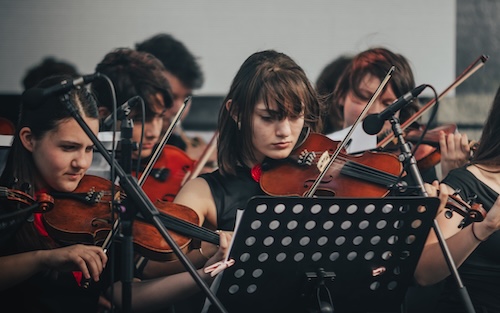
A lot of time and effort goes into developing young musicians. They take lessons, practice, play student concerts, and improve year by year. They learn technique, timing, ensemble playing, and musicality. But when the teaching ends, or when they move beyond the safe framework of music school, continuation school, upper secondary school, or the rehearsal room, a void often appears.
Because what happens next?
Who do you play with? Where do you find a band if you do not already know one? How do you enter projects, find collaborators, or discover opportunities that can move you forward?
For many young musicians, the answer is far too random. Some are lucky enough to know the right people. Others are invited into a scene through friends, teachers, or local networks. But far too many fall through the cracks, not because they lack talent, but because they lack connections and direction.
Being able to play is not the same as finding your place
There is an important difference between learning music and finding your place in musical life. The first is about developing your skills. The second is about turning those skills into practice.
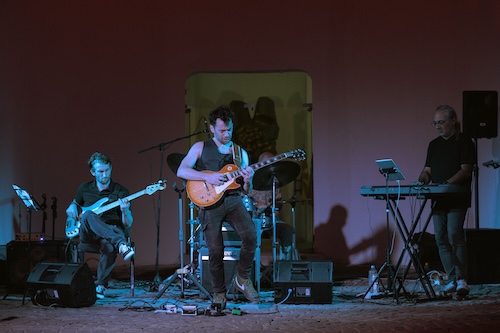
This is where many young musicians face resistance. They may be good drummers, guitarists, bass players, or singers, but they do not know how to become part of something bigger. They lack an overview of who is looking for whom, what projects exist, and how to take the first step into a new musical community.
That means the transition from learning to active participation in musical life often becomes unnecessarily difficult. Not because young musicians do not want it, but because the structure around them does not make the next step clear.
Musical life still depends too much on chance
In many other industries, there are more visible paths from learning to practice. There are networks, platforms, internships, job boards, and clear entry points. In music, too much still depends on who you know, where you live, and whether you happen to meet the right people at the right time.
That makes the transition fragile, especially for young musicians who do not yet have a strong network. It is even more challenging outside the biggest cities, where scenes may be less visible and opportunities more scattered.
The result is that talented young musicians can end up standing still during a phase when they should really be moving forward. Not because they lack ability, but because they lack access.
There is a need for a bridge between learning and practice
If more young musicians are to stay in music and continue developing, we need better connections between the places where they learn and the musical life they are expected to enter afterward.
This is not just about offering more lessons. It is also about making the next step more concrete. Young musicians need to be able to find bands, collaborators, projects, session opportunities, rehearsal communities, and local contacts. They need to be able to present themselves clearly and be discovered by others who are looking for exactly their profile.
The transition becomes stronger when it does not depend only on courage, luck, and personal relationships, but also on visibility, structure, and access to relevant connections.
Beatnickel can make the next step easier
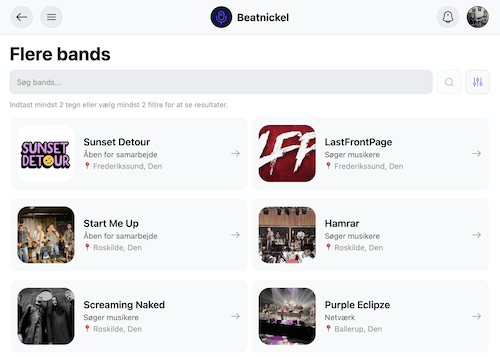
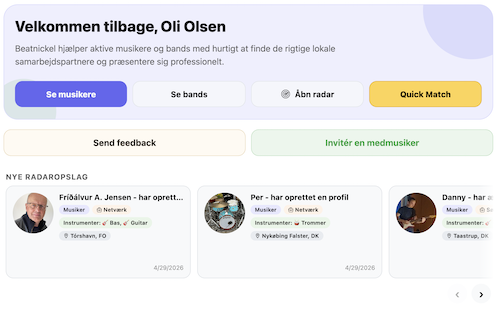
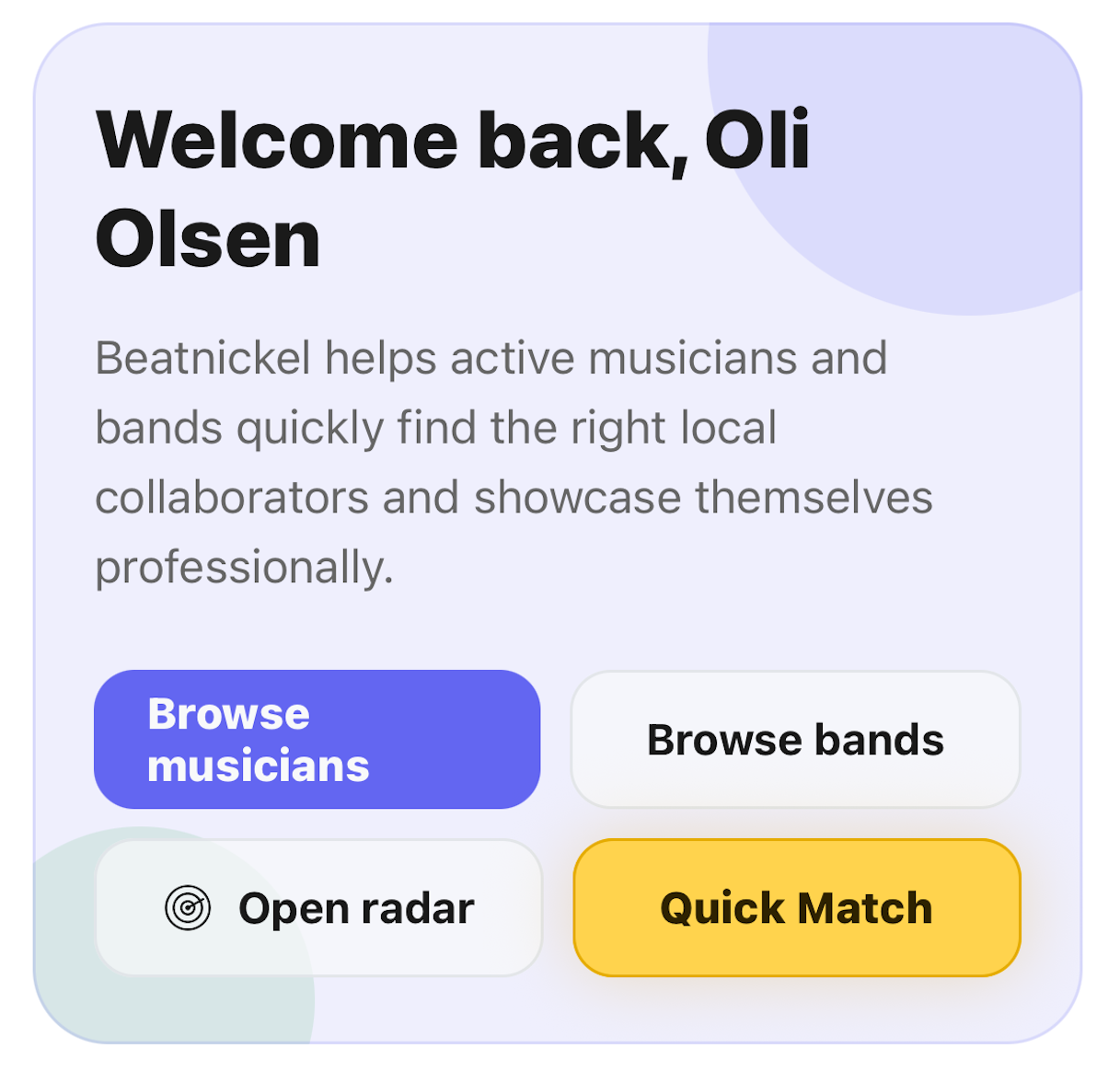
This is exactly where Beatnickel can make a real difference. The platform can serve as a bridge between learning environments and practice by making it easier for young musicians to turn their skills into concrete opportunities.
This is not just about having a profile online. It is about being discoverable in a music specific context. A young bass player should be able to be found by a band looking for a bass player. A singer should be able to find a project searching for the right voice. A guitarist should be able to connect with others who want to start something new.
When relationships, needs, and opportunities become more visible, the path into musical life becomes less random. Then it becomes easier to move from teaching into real world practice.
A stronger musical life begins with better connections
A healthy musical ecosystem is not built on talent alone. It also depends on how well we connect people with each other. If young musicians are to continue developing after music school, ensemble classes, and rehearsal rooms, there needs to be a clearer path forward.
It is not enough that they learn how to play. They also need a real chance to step into the field.
When more young musicians get easier access to bands, projects, and musical communities, it does not just strengthen the individual musician. It strengthens musical life as a whole. More connections create more projects, more bands, more experience, and more careers that otherwise might never have happened.
For many young people, the gap between music school, rehearsal rooms, and real musical life is still too wide. They learn how to play, but not necessarily how to find their next step. As a result, the transition is still shaped too much by chance instead of opportunity. Beatnickel can help change that by creating a more direct link between skills, relationships, and what comes next. That makes the path from learning to practice more visible, more concrete, and far more realistic.
Other blogs








































Discover a platform built to connect musicians, simplify bookings, and fuel creative growth.
Find us on social networks


