
Soon available on


Local music scenes need better maps
Date:
30.4.2026
Author:
Oli Olsen
Local music scenes need better maps
There are musicians, bands, songwriters, producers and rehearsal spaces in almost every city. The problem is not necessarily that they lack talent or the desire to play. The problem is often that they cannot find each other.
Local music scenes are alive, but too much of that activity is invisible. Beatnickel can help make it visible, structured and much easier to act on.
The music scene already exists
In most cities, far more musical activity is happening than you can see from the outside.
There is a guitarist in Roskilde looking for a band. A drummer in Aarhus missing a new project. A singer in Copenhagen looking for people to write songs with. A band in Odense looking for a bassist. A producer in Aalborg wanting to meet new artists. A rehearsal space with available slots. A young musician looking for their first real musical community.
All of this already exists.
But it is scattered across Facebook groups, old posts, private messages, closed networks, word of mouth and random connections. That makes local music scenes harder to navigate than they need to be.
It is not because there are no people to play with.
It is because the map is missing.
Local music scenes are active, but invisible
When we talk about music scenes, we often talk about stages, venues, festivals and well known names. But much of the most important musical life happens before anyone steps onto a stage.
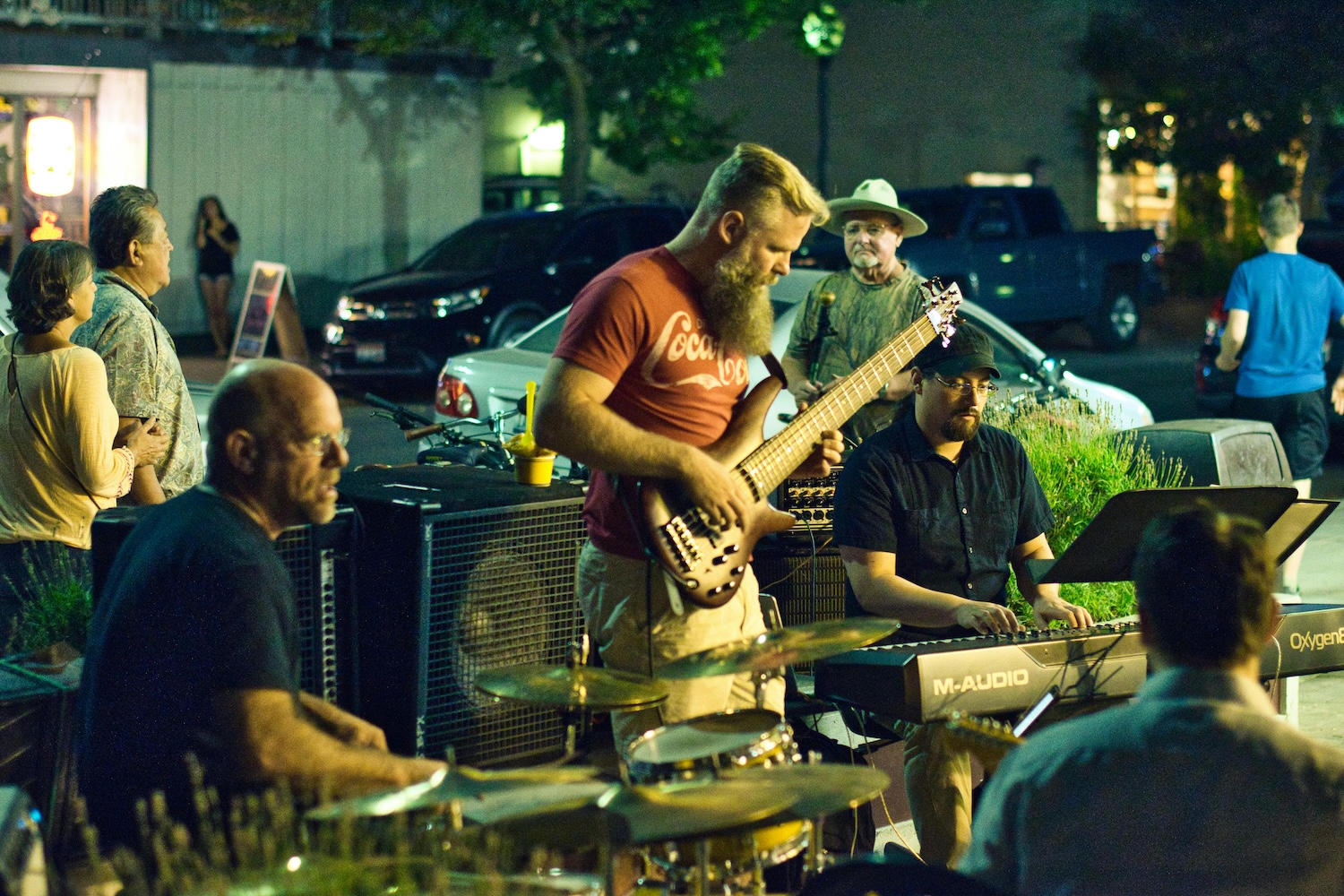
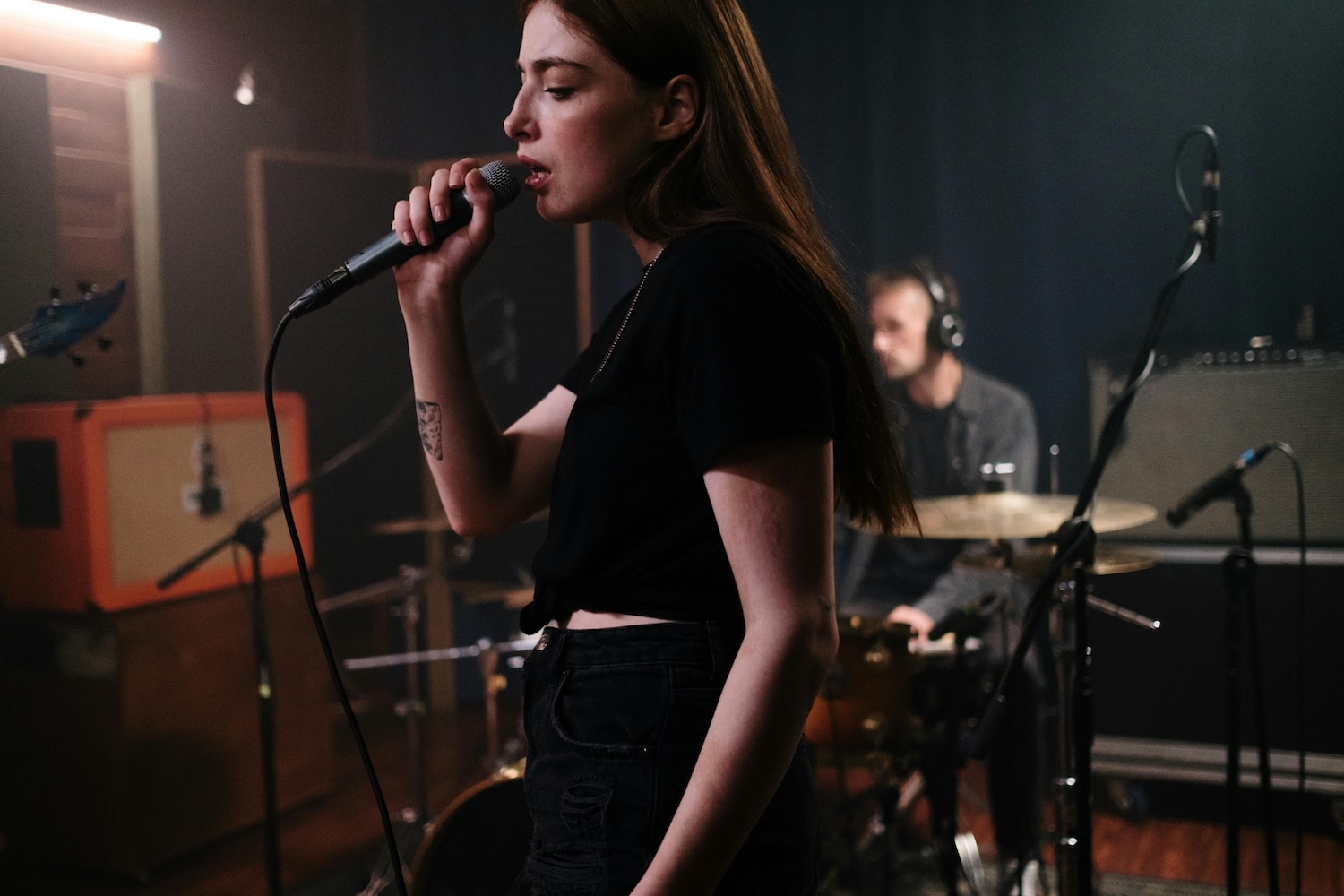
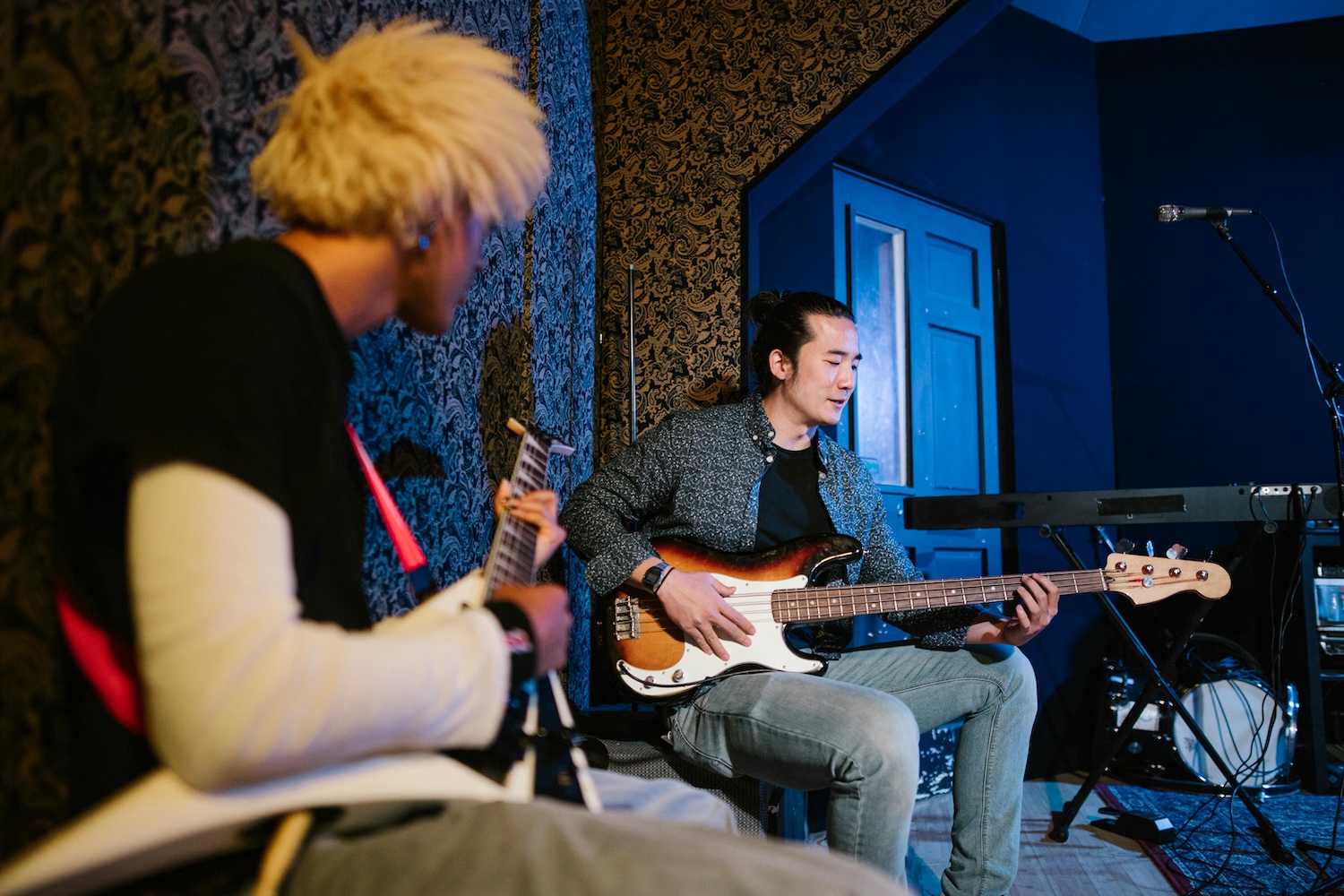
It happens in rehearsal rooms. In basements. In studios. At music schools. In private homes. In small project bands. At jam sessions. In conversations between people who could create something together, if only they knew each other existed.
The problem is that much of it is not visible.
A city can have many active musicians and still feel empty to the individual musician, if there is no easy way to see who is out there. The same is true for bands. A band can be looking for a guitarist for months, even though relevant guitarists live nearby. The two sides might be a perfect fit, but never meet.
That is a map problem.
Not a talent problem.
Facebook groups are noticeboards, not maps
Facebook groups have long been useful for musicians. They can still work well, especially when someone has a specific post. But they mostly function as noticeboards.
A post quickly disappears down the feed. It is hard to search precisely. It is hard to see who is still active. It is hard to understand what people are actually looking for right now. And it is hard to get an overview of the local scene.
You might find something if you are lucky.
But you do not get a living map.
A map should not only show that people exist. It should show connections.
Who plays drums nearby?
Who is looking for a band?
Which bands need a vocalist?
Who plays the same genre?
Who has the same level of ambition?
Who is open to collaboration?
Who actually fits together?
That is the kind of overview local music scenes are missing.
A better map shows intent
A normal map shows where something is. But music scenes need more than geography.
It is not enough to know that a bassist lives in your city. What matters is whether that bassist is looking for a band, wants to start a new project, is open to session work, is looking for gigs or simply wants to network.
It is not enough to know that a band exists. What matters is whether the band needs a drummer, is open to collaboration, wants to find gigs or simply wants to be visible to other musicians.
Local music scenes need a map of musical intent.
Who is looking for what?
Who needs whom?
Who is active right now?
Who matches with whom?
When intent becomes visible, the music scene becomes more useful. It becomes easier to act. Easier to reach out. Easier to meet. Easier to start something.
Beatnickel as the living map
Beatnickel can become the living map of local music scenes.
Not just a list of musicians. Not just a collection of profiles. Not just another place where someone can write that they play guitar.
A living map should show relationships, needs and opportunities.
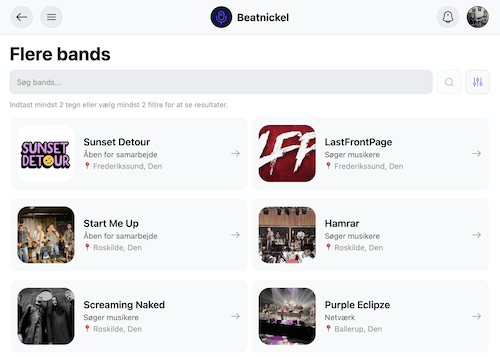
On Beatnickel, a musician can show what they play, where they are, which genres are relevant and what they are looking for right now. A band can show who they are, what they play and which roles they need. That makes the local music scene not only visible, but searchable, understandable and actionable.
That is the difference between a database and a living network.
A database tells you that someone exists.
A living network shows you who fits together.
Local music scenes should be able to see themselves
There is another important effect.
When a local music scene becomes visible, it can start to understand itself.
A city might discover that it has many singers, but too few drummers. A band might realize that there are more relevant musicians nearby than they thought. A young musician might discover other people of the same age and genre in the area. A municipality, music school or cultural organization might get a better understanding of how active the local music scene really is.
That creates pride.
It creates movement.
And it can make local music scenes stronger, because more opportunities become visible to more people.
From random encounters to better matches
A lot of music still happens by chance. You meet someone through a friend. You see a post. You hear about someone who knows someone. There should still be room for that. Music depends on people, chemistry and unexpected moments.
But chance does not have to be the only model.
If we can make it easier for relevant musicians and bands to find each other, we increase the chance that more projects are started. More bands become complete. More young musicians get access to the scene. More adults return to music. More local collaborations happen.
This is not about removing the organic nature of music.
It is about giving it better conditions.
Local relevance is the key
Music is often local before it becomes something bigger.
You rehearse locally. You meet locally. You play your first gigs locally. You build relationships locally. You find the people you can trust close to where you live.
That is why local relevance matters so much.
A global network is not enough if you cannot find someone you can actually meet next week. A polished profile is not enough if no relevant people nearby see it. A post is not enough if it does not reach the right people.
Local music scenes need a map that keeps updating itself.
A map of people. Roles. Needs. Genres. Ambitions. Opportunities.
This is where Beatnickel can create real value.
Local music scenes do not necessarily lack people, talent or ambition. They lack better overview.
Many musicians and bands already exist in the same cities, but they cannot always find each other. That makes the music scene more invisible and fragmented than it needs to be.
Beatnickel can help change that by becoming the living map of local music scenes. A map that does not only show who is where, but who plays what, who is looking for what and who fits together.
When musicians and bands become easier to find, it becomes easier to start new projects, build stronger communities and make more music happen locally.
Sometimes music does not need more ideas.
It just needs a better map.
Other blogs




































Discover a platform built to connect musicians, simplify bookings, and fuel creative growth.
Find us on social networks


