
Soon available on


Musical opportunities should not depend on chance alone
Date:
6.6.2026
Author:
Oli Olsen
Musical opportunities should not depend on chance alone
Many bands, projects and collaborations begin through friends, social media posts or random encounters. That can be beautiful, but it also means that many great musical opportunities never become visible.
Beatnickel helps musicians and bands find each other by structuring information about instrument, genre, location, level and intention, making relevant connections easier to discover.
Music has always involved a certain amount of chance.
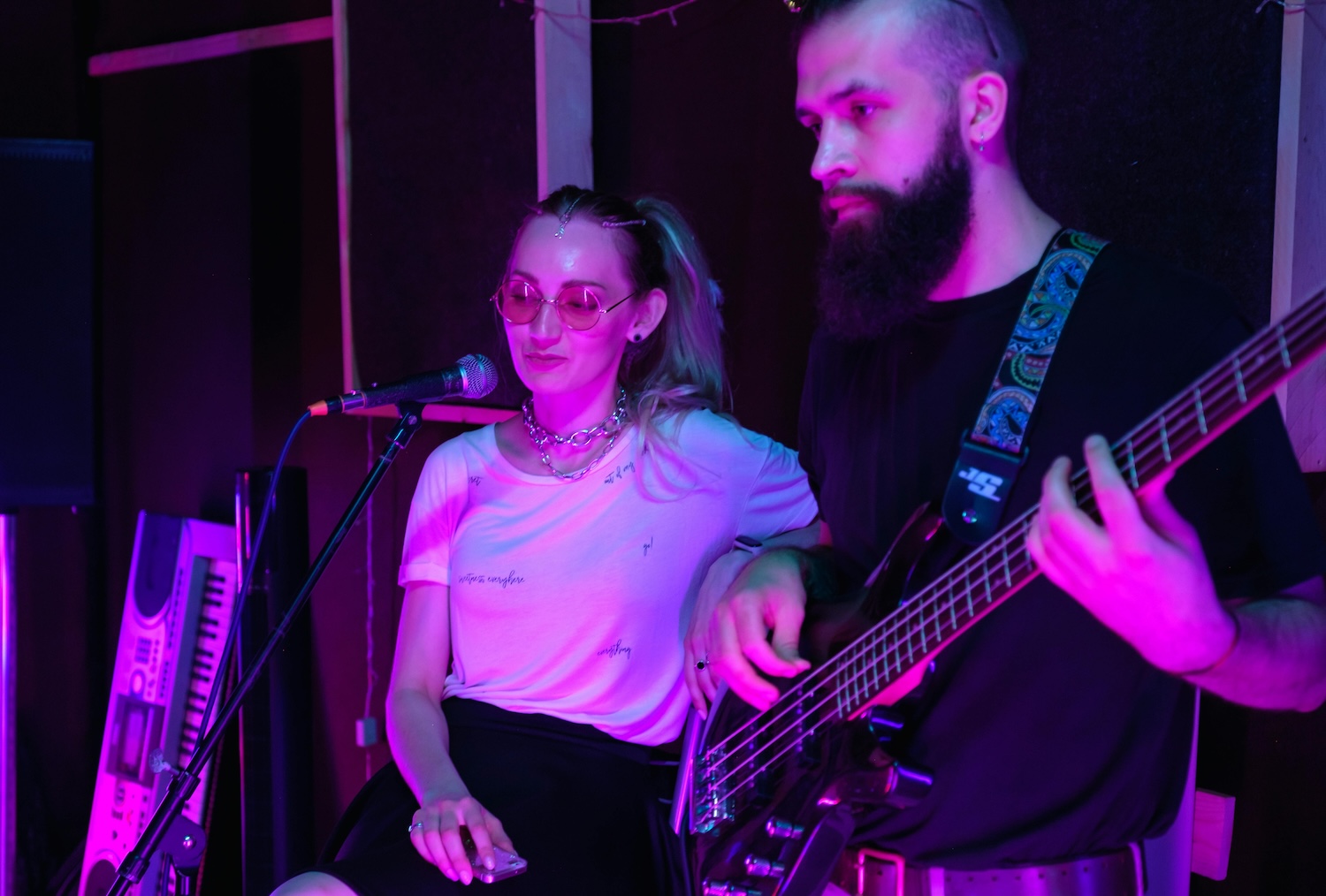
A guitarist meets a singer at a party. A drummer is recommended by a friend. A band finds a bass player through a post in a Facebook group. A songwriter starts talking to a producer after a concert.
Many great collaborations have started that way. And there is something beautiful about it.
But chance also has a downside.
What about all the musicians who never meet each other? What about the band that is missing exactly the right keyboard player, but never discovers that person? What about the singer looking for a serious project, but only seeing random posts that quickly disappear in the feed?
When musical opportunities depend too much on networks, luck and timing, many connections are never made.
When the right match never becomes visible
A musical collaboration requires more than talent.
It requires the right people to discover each other at the right time. A musician may be perfect for a band, but if the band does not know that person exists, nothing happens.
The same applies the other way around.
A band may be exactly the project a musician is looking for, but if it is only mentioned in a closed group, through a mutual contact or in a post that disappears after two days, the opportunity can easily be missed.
This means that music communities often depend on invisible connections.
Those who know the right people get more opportunities. Those who are new in town, do not have a large network or are not active in the right groups are at a disadvantage.
Not because they lack talent. But because they are not seen.
Chance can be creative, but it should not control everything
There should always be room for the spontaneous side of music.
Some of the best collaborations happen because people meet unexpectedly. Music should not become mechanical or predictable. Human chemistry, energy in the room and creative spark can never be reduced to data.
But that does not mean everything should depend on chance.
It is possible to make it easier to find relevant people without removing the magic. It is possible to create better overview without making music less alive.
It is not about replacing random encounters. It is about giving more musicians a real chance to discover each other.
Musicians need structure
Many musicians are looking for something specific, but the information is scattered.
Some write in Facebook groups. Others have old profiles on different platforms. Some ask friends. Some mention it at rehearsal. Others simply think that they would like to play more if the right project appeared.
The problem is that the information is rarely gathered in one place.
Who plays what? Where do they live? Which genres do they work with? Are they looking for a band, a project, session work or new collaborations? What level are they at? What are their ambitions?
When this kind of information is missing or scattered, it becomes difficult to act on.
Musicians end up searching in the dark.
Beatnickel makes opportunities more visible
Beatnickel is built to make musical connections less random.
When musicians and bands create profiles, important information is structured. Instrument, genre, location, role, level and what they are currently looking for become visible.
That means a guitarist in Roskilde does not simply have to hope to see the right post. A band in Copenhagen does not only have to ask around in its network. A singer in Aarhus does not have to rely on a friend knowing someone who knows someone.
Beatnickel makes it easier to see who is out there, what they are looking for and where there may be a match.
It does not make collaboration automatic. Musicians still have to create that themselves. But it makes the path to the first relevant contact shorter.
From temporary posts to living profiles
A post is often short lived.
It is seen by a few people while it is new. Then it disappears in the feed. Maybe the right person never sees it. Maybe they see it too late. Maybe the post does not include enough information to decide whether there is a match.
A profile is more lasting.
It can show who the musician is, what they play, what they are looking for and how to contact them. The same applies to bands, which can show their style, needs, location and level of ambition.
When information does not only exist in a single post, but in a living profile, the opportunity continues to exist.
That is a big difference.
More chances for those without a large network
One of the biggest benefits of reducing chance is that more people can take part.
Not every musician has a large network. Not everyone has been part of the scene for many years. Not everyone knows the right people. And not everyone is good at promoting themselves in posts or groups.
Beatnickel can give more musicians fairer access to opportunities.
A new musician in town can become visible. An older musician who wants to start playing again can find relevant projects. A young band can find a bass player. An amateur musician can find others at the same level. A professional can show what they offer.
That makes the music scene more open.
Not because everyone matches with everyone. But because more relevant connections get a chance to be discovered.
Better information creates better first meetings
When musicians meet without any prior clarification, a lot can go wrong.
One person wants to rehearse seriously every week. Another just wants to play casually once in a while. One wants to write original music. Another wants to play covers. One dreams of live shows. Another mainly wants to rehearse for fun.
It is not a problem that people want different things. The problem arises when those differences are only discovered after several conversations or rehearsals.
Beatnickel can help clarify some of this earlier.
When profiles show genre, instrument, location, ambition and what people are looking for, it becomes easier to decide whether there is a basis for a conversation. It saves time. It reduces misunderstandings. And it makes first meetings more relevant.
Chance will always play a role in music. And it should. Many amazing collaborations begin with an unexpected meeting, a recommendation or a spontaneous conversation.
But musicians should not have to depend on chance alone.
Too many opportunities are lost because the right people never discover each other. Information is scattered. Posts disappear. Networks decide too much. Timing is often wrong.
Beatnickel makes musical opportunities less random by gathering and structuring the information that matters. It makes relevant connections more visible and gives more musicians and bands a better chance to find each other.
Music should still happen between people.
But the path to the right meeting can become much easier.
Other blogs


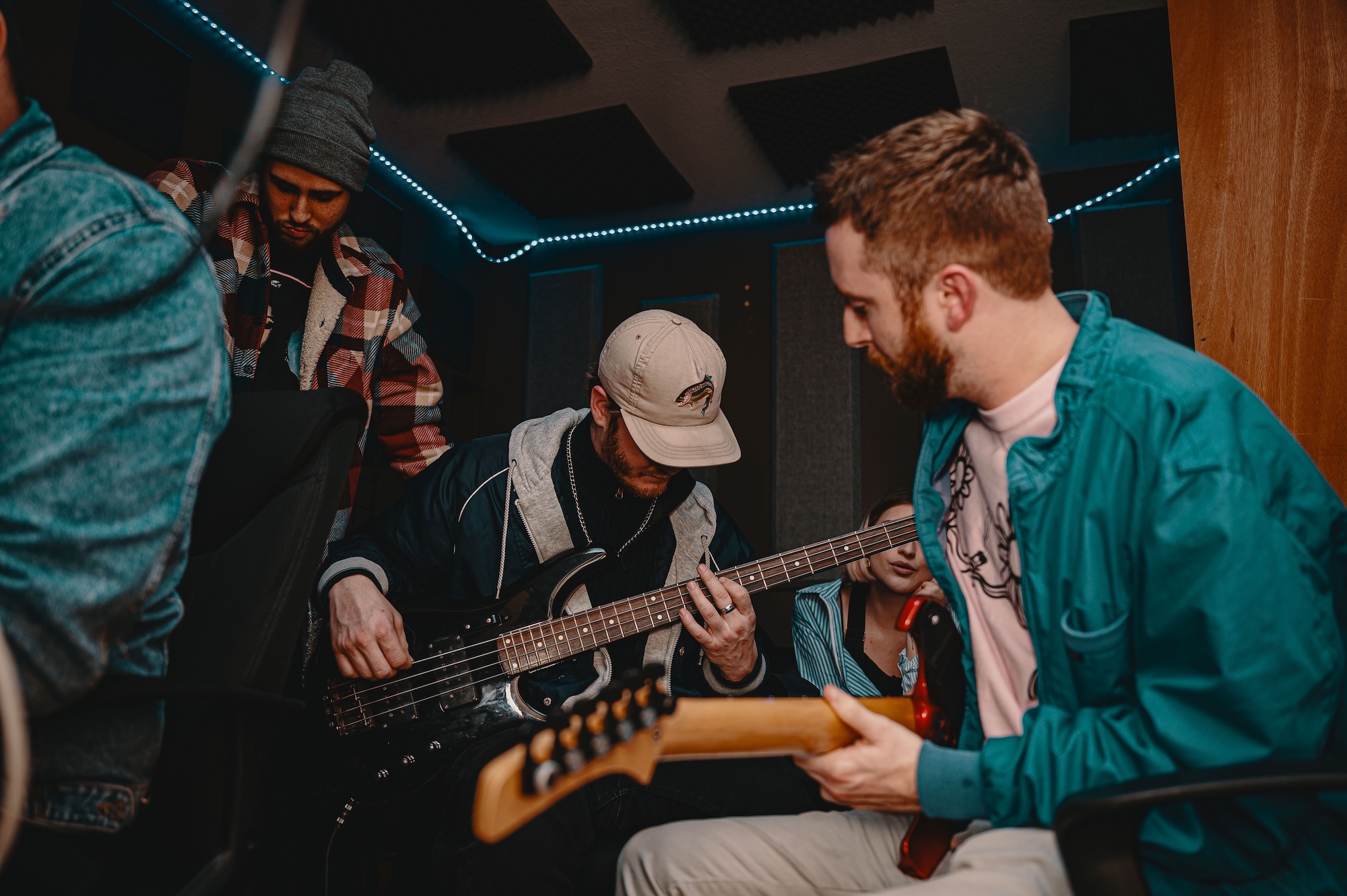






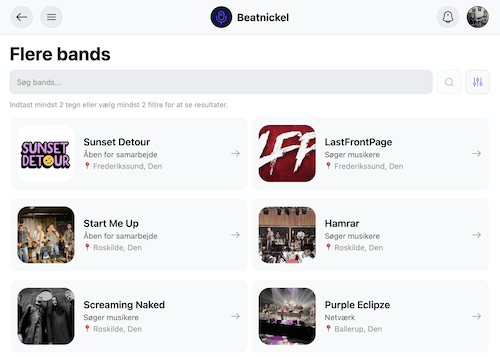
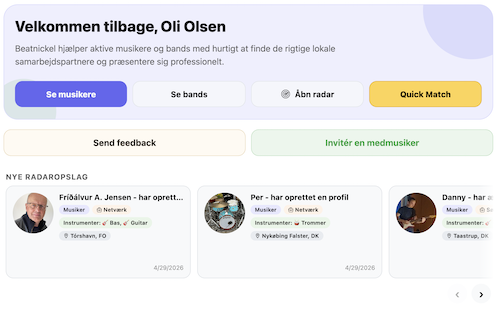




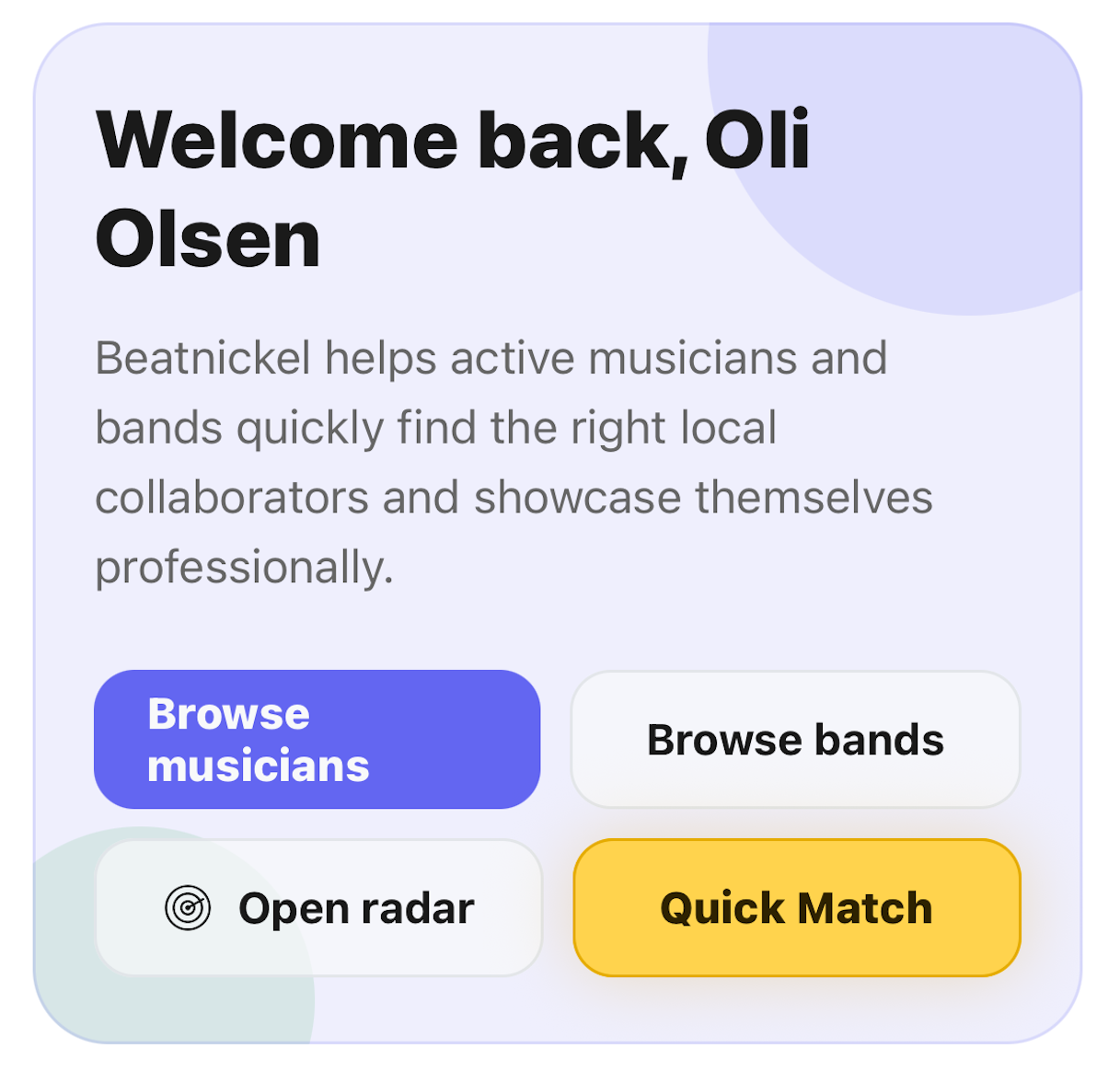

















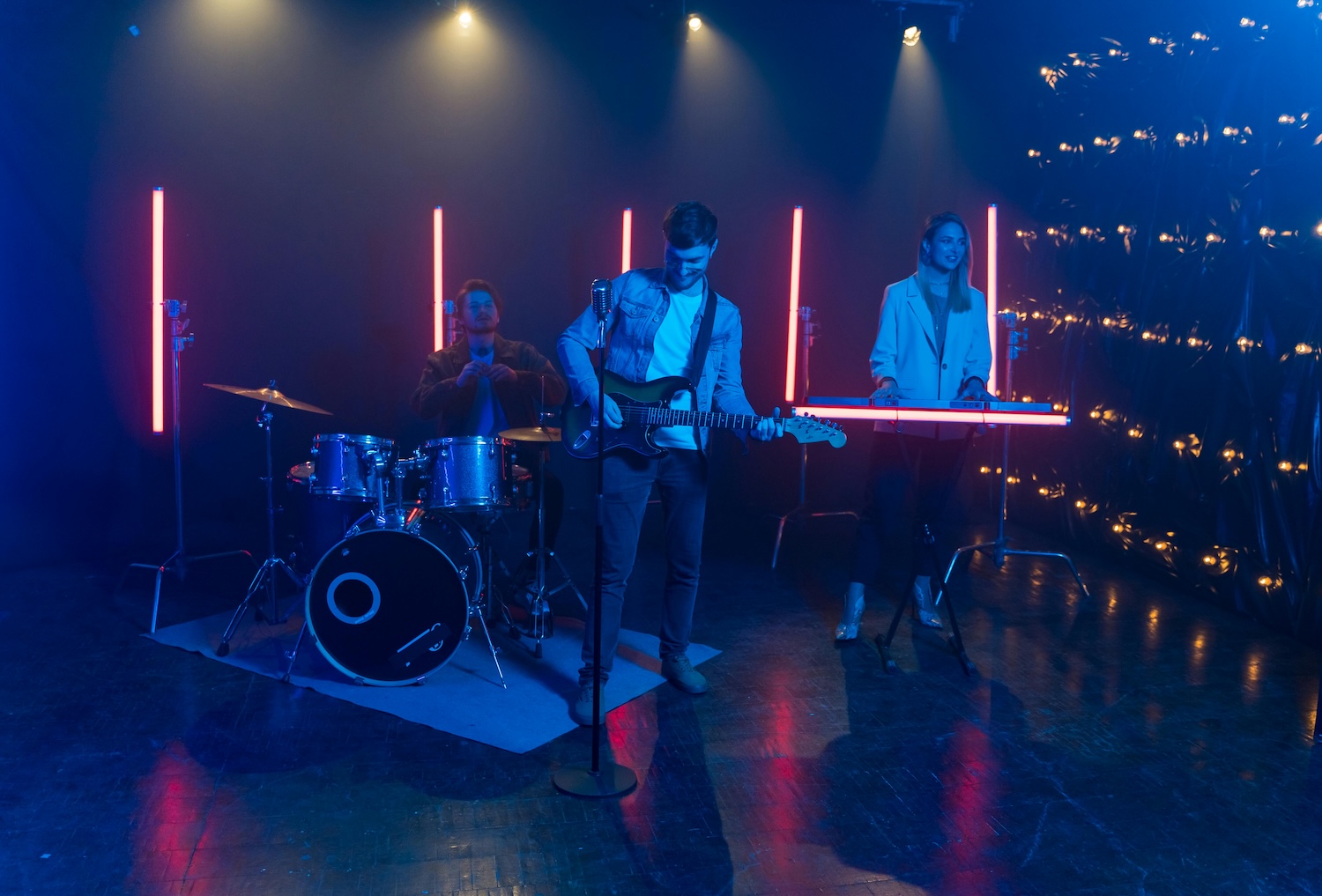












Discover a platform built to connect musicians, simplify bookings, and fuel creative growth.
Find us on social networks


